


Trump Administration Taps Strategic Oil Reserves in Historic Release
A Massive Drawdown Amid Rising Tensions
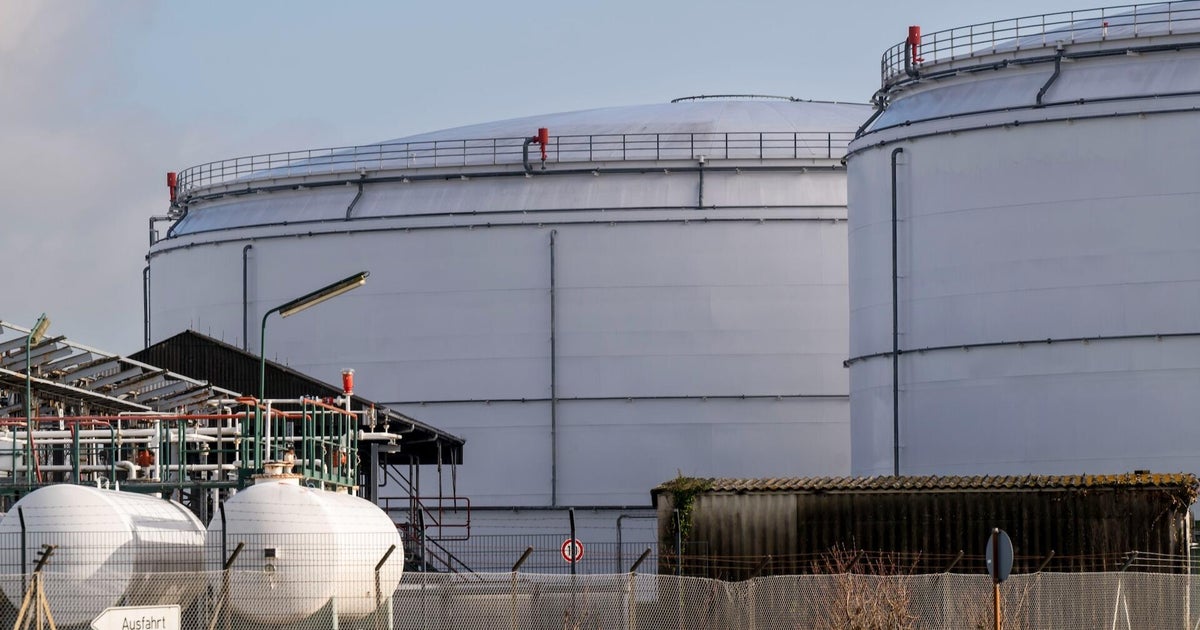
The Trump administration has announced one of the largest releases of oil from America’s Strategic Petroleum Reserve in history, authorizing the withdrawal of 172 million barrels this week. This dramatic move places it just behind former President Joe Biden’s 2022 release of 180 million barrels, making it the second-largest drawdown since the reserve was established. The decision comes at a critical moment as oil prices have surged past $100 per barrel on Friday, driven by escalating military conflict with Iran. The administration is hoping this substantial injection of oil into the market will help stabilize prices and provide relief to American consumers who are watching gas prices climb at an alarming rate. The release is scheduled to begin next week and will be distributed gradually over a 120-day period, representing a significant intervention in energy markets during a time of international crisis.
The Impact on America’s Emergency Oil Stockpile
This massive withdrawal will have profound implications for the nation’s emergency oil reserves. Currently sitting at approximately 415 million barrels, the Strategic Petroleum Reserve will plummet to roughly 243 million barrels once this release is complete—a staggering 41% reduction. According to analysis by CBS News using Department of Energy data, this would push the strategic stockpile to its lowest levels since 1982, more than four decades ago. The reserve was specifically created as a safeguard against energy emergencies, and depleting it to such historic lows raises questions about America’s preparedness for future crises. While the immediate goal is to address current price spikes and ease the burden on American families filling up their gas tanks, the long-term consequences of having such diminished reserves could leave the nation vulnerable to future supply disruptions, whether from geopolitical conflicts, natural disasters, or other unforeseen circumstances.
A Pattern of Major Reserve Releases
This isn’t the first time in recent years that the United States has turned to its Strategic Petroleum Reserve to address oil market disruptions. The most recent major drawdown occurred in March 2022, when President Biden authorized the release of 180 million barrels in response to skyrocketing gas prices triggered by Russia’s invasion of Ukraine. That historic release was aimed at providing relief to consumers facing pain at the pump, with gas prices averaging around $4.23 per gallon at the time, according to AAA data. Biden’s administration had also previously released 50 million barrels in 2021 to address market conditions. Beyond these recent large-scale interventions, the reserve has been tapped for various other emergencies over the years. In 2021, the U.S. withdrew 32 million barrels to combat supply disruptions caused by the COVID-19 pandemic. The reserve has also been used to respond to natural disasters, including the release of 11 million barrels after Hurricane Katrina devastated the Gulf Coast in 2005 and 3.3 million barrels following Hurricane Ida in 2021.
Current Gas Price Reality for Americans
The timing of this release reflects the urgent economic pressure facing American households. Current average gas prices stand at $3.63 per gallon nationwide, representing a 22% increase from the $2.98 per gallon Americans were paying before the current conflict with Iran began, according to AAA’s tracking data. While these prices haven’t yet reached the heights seen during the 2022 Ukraine crisis, they’re climbing rapidly and causing concern among policymakers and consumers alike. For many American families, especially those in rural areas or with long commutes, rising gas prices represent a significant hit to household budgets. The ripple effects extend beyond just filling up the tank—higher fuel costs affect the price of goods transported across the country, potentially contributing to broader inflationary pressures. By releasing this substantial amount of oil, the Trump administration is attempting to increase supply in the market, which economic theory suggests should help moderate prices and provide some financial relief to struggling families.
Plans to Replenish the Reserve
Recognizing the concerns about depleting the Strategic Petroleum Reserve to such historic lows, U.S. Secretary of Energy Chris Wright addressed the issue directly in a statement released Wednesday. Wright assured the public that “The United States has arranged to more than replace these strategic reserves with approximately 200 million barrels within the next year.” This commitment to replenishing the reserve suggests that the administration views this drawdown as a temporary measure rather than a permanent reduction in America’s emergency oil stockpile. However, the details of how and when this replenishment will occur remain to be fully outlined. The process of refilling the reserve depends on various factors, including oil market conditions, budgetary considerations, and the government’s ability to purchase oil at favorable prices. Historically, the government aims to buy oil for the reserve when prices are relatively low, making it a cost-effective investment in national energy security.
The Strategic Petroleum Reserve’s Historical Context
The Strategic Petroleum Reserve was established in 1975 under the Energy Policy and Conservation Act, born out of the energy crisis that gripped the nation during the 1970s. That period saw oil embargoes and supply disruptions that caused long lines at gas stations and highlighted America’s vulnerability to international energy market shocks. The reserve was designed as a buffer against such crises, providing the government with a tool to stabilize markets and ensure continued access to oil during emergencies. The first sale from the reserve was actually a test conducted in 1985, when 5 million barrels were released to evaluate the system’s functionality. This was followed by another test in 1990 under President George H.W. Bush, who authorized the sale of 5 million barrels to assess the reserve’s readiness. Since then, the reserve has evolved into a critical component of U.S. energy policy, used strategically during various crises ranging from wars to natural disasters. The current situation with Iran represents the latest chapter in the reserve’s nearly 50-year history, demonstrating both its continued relevance and raising important questions about maintaining adequate reserves for future generations and unforeseen emergencies.