



Harvey Weinstein’s Retrial: Opening Statements Reveal Stark Contrasts in Sexual Assault Case
A Powerful Man Accused of Preying on Vulnerable Women
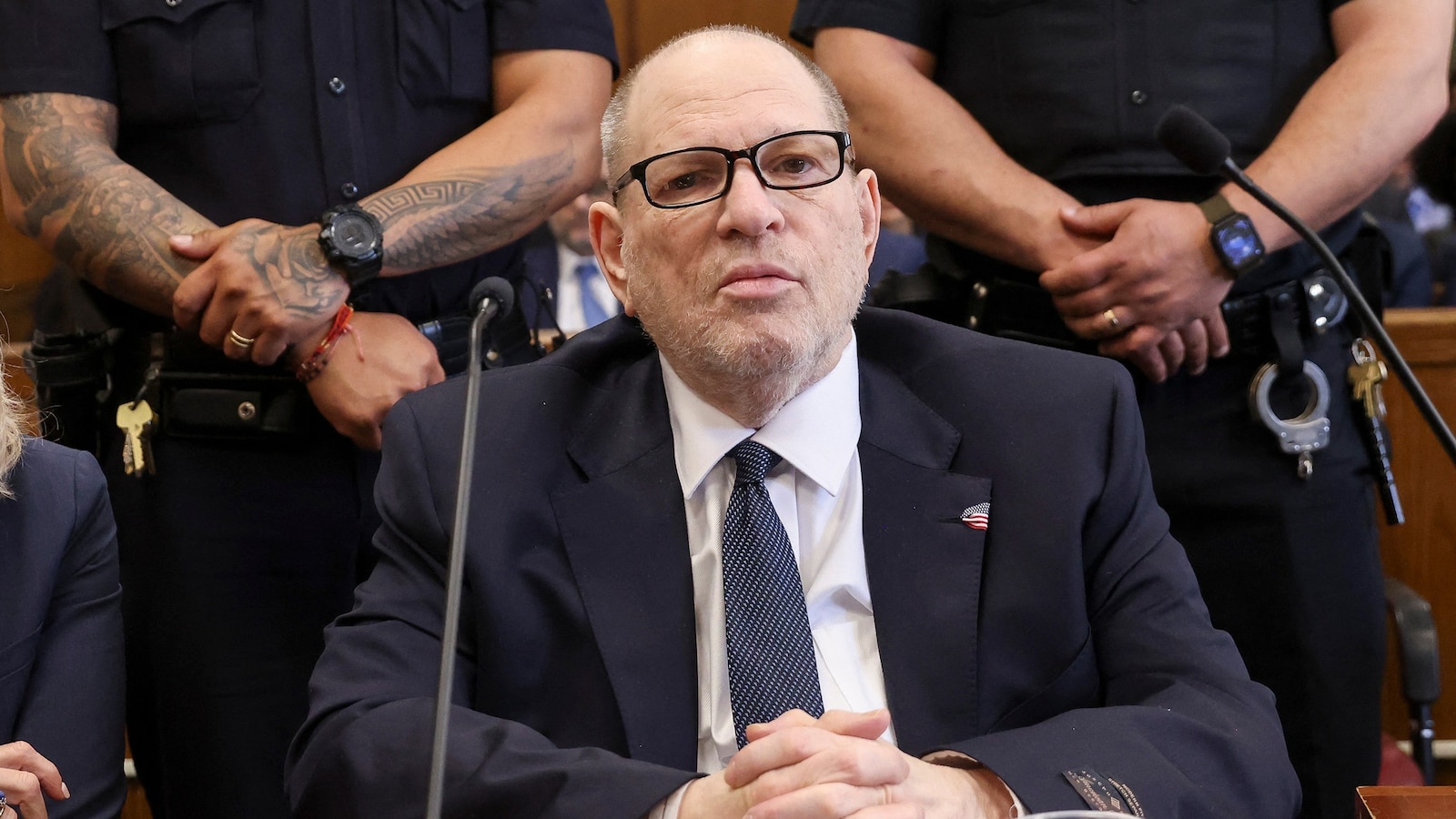
The retrial of disgraced Hollywood producer Harvey Weinstein began this week with dramatically opposing narratives presented to a New York jury. Prosecutor Shannon Lucey painted a disturbing picture of a man who wielded his industry power like a weapon for over three decades, targeting women who dared to resist his advances. Speaking before a jury composed of seven women and five men, Lucey described how Weinstein controlled the fate of countless professionals in the entertainment industry, holding what she called “the golden ticket” that could make or break careers. According to the prosecution, Weinstein preyed on three women during his reign as one of Hollywood’s most influential figures, using his position to ensure their silence after alleged assaults. The 73-year-old former mogul, who appeared in court in a navy suit and thick black eyeglasses, was wheeled into the courtroom by a court officer and sat flanked by two officers throughout the proceedings. Despite the serious allegations, Weinstein has entered a plea of not guilty and continues to deny all accusations against him.
The Prosecution’s Case: Power, Coercion, and Resistance
Assistant District Attorney Shannon Lucey presented detailed allegations against Weinstein involving three women: Mimi Haley, Jessica Mann, and Kaja Sokola—all of whom have publicly identified themselves and agreed to be named in the trial. The prosecutor’s narrative centered on a disturbing pattern of behavior where Weinstein allegedly used physical force when women refused his advances. Lucey told the jury that “no” was simply not a word Weinstein was accustomed to hearing, and that his responses to rejection became increasingly violent. In describing the alleged assault on Mimi Haley in July 2006, Lucey emphasized the stark physical disparity between the 115-pound woman and the 300-pound producer, claiming Weinstein held her down at his Crosby Street apartment when she arrived to discuss a role on “Project Runway.” Perhaps most troubling are the allegations involving Kaja Sokola, who was just 16 years old when she first encountered Weinstein at a West Village restaurant in 2002, shortly after arriving in New York from Poland with a new modeling contract. According to Lucey, Weinstein expressed interest in casting her in films, lighting up the young woman’s dreams of stardom. Years later, in 2006, when Sokola was 19 and cast as an extra in “The Nanny Diaries,” Weinstein allegedly assaulted her at a Manhattan hotel after lunch, forcing her down on a bed despite her pleas. The prosecution also claims that when Sokola was still 16, Weinstein forced her to touch his genitals, though this 2002 incident falls outside the statute of limitations and isn’t part of the formal charges. The judge has, however, allowed testimony about this encounter and another alleged incident from 2004. Regarding Jessica Mann, prosecutors allege that Weinstein subjected her to non-consensual sex at a hotel in 2013, though they acknowledge that Mann also engaged in other sexual encounters with Weinstein that weren’t coerced, allegedly out of fear of his industry power.
The Defense Strategy: Consensual Relationships and Mutual Benefits
Defense attorney Arthur Aidala presented a sharply contrasting version of events, comparing the prosecution’s opening statement to a misleading movie trailer that promises more than the full feature delivers. He asked jurors to consider how often exciting previews lead to disappointing films, suggesting this case would similarly “fall flat on its face.” While Aidala didn’t dispute Weinstein’s powerful position in Hollywood, he argued that this power wasn’t used to coerce anyone. Instead, he characterized the relationships as “mutually beneficial” arrangements that have existed in the entertainment industry for a century. In a particularly controversial statement, Aidala declared that “the casting couch was not a crime scene,” attempting to normalize the alleged encounters as consensual interactions between adults. The defense attorney urged jurors to distinguish between behavior that might be considered immoral and conduct that is actually illegal, framing the alleged incidents as “friends with benefits” situations. Aidala’s strategy relied heavily on evidence of ongoing friendly communications between the accusers and Weinstein following the alleged assaults, quoting messages that reportedly said “Love you, miss you, XO.” He argued that all three women maintained lengthy, positive relationships with Weinstein after the dates when the alleged assaults occurred, suggesting this contradicts claims of trauma and victimization.
Financial Motivations and the Shadow of Civil Settlements
A central component of the defense strategy involves questioning the accusers’ motivations by highlighting the financial settlements they received. Aidala pointedly noted the presence of Gloria Allred, a prominent attorney known for representing victims in high-profile cases, sitting in the courtroom’s back row. He then told jurors there were “4 million reasons to lie,” referring to the total amount the three women allegedly received in civil settlements. This line of argument suggests the women have embellished or fabricated their accusations as part of what Aidala characterized as a money grab. The defense contends that the accusers wanted to use Weinstein’s connections and influence for their own career advancement and later turned on him when financial opportunities presented themselves through lawsuits. This narrative attempts to reframe the women from victims to opportunists who leveraged accusations for personal gain. However, this approach risks alienating jurors who might see it as victim-blaming or as an attempt to use wealth and legal maneuvering to escape accountability for alleged criminal behavior.
The Legal Journey: From Conviction to Retrial
This trial represents a significant moment in the broader Weinstein saga and the #MeToo movement that his initial exposure helped catalyze. Weinstein was previously convicted, but New York’s Court of Appeals overturned that conviction last year on procedural grounds. The appeals court found that the trial judge had made a critical error by allowing testimony about uncharged alleged sexual acts involving people other than the complainants in the underlying crimes. This decision didn’t exonerate Weinstein or suggest his innocence; rather, it determined that the trial process had been legally flawed in a way that potentially prejudiced the jury against him. The retrial includes two women from the original case—Mimi Haley and Jessica Mann—but also adds a third accuser, Kaja Sokola, whose allegations weren’t part of the first trial. The packed courtroom included two women who had testified against Weinstein in his original trial, demonstrating the continued interest and emotional investment in the case’s outcome. The presence of these spectators serves as a reminder that this trial extends beyond the specific charges and three named accusers, representing a broader reckoning with alleged patterns of abuse in the entertainment industry.
Broader Implications for Justice and Accountability
The Weinstein retrial carries significance that extends far beyond one man’s guilt or innocence on specific charges. It tests whether the criminal justice system can effectively address allegations of sexual assault when they involve powerful individuals and occurred years or even decades in the past. The prosecution must prove beyond reasonable doubt that these encounters were assaults rather than consensual, despite the passage of time and the complex relationships that continued afterward. The defense’s argument that ongoing friendly contact proves consent reflects long-standing challenges in prosecuting sexual assault cases, where victims’ responses don’t always align with public expectations of how trauma survivors should behave. Research has shown that victims often maintain contact with their abusers for various reasons, including professional necessity, psychological coping mechanisms, or attempts to reframe traumatic experiences. The jury of seven women and five men will need to weigh competing narratives about power, consent, and credibility while considering whether the prosecution has met its burden of proof. Their decision will likely resonate beyond this courtroom, potentially influencing how future cases involving powerful figures and allegations of sexual misconduct are pursued, defended, and perceived by the public.