
Tragic Loss in Colorado: 11-Year-Old Charged in Death of Younger Brother
A Heartbreaking Discovery in Centennial
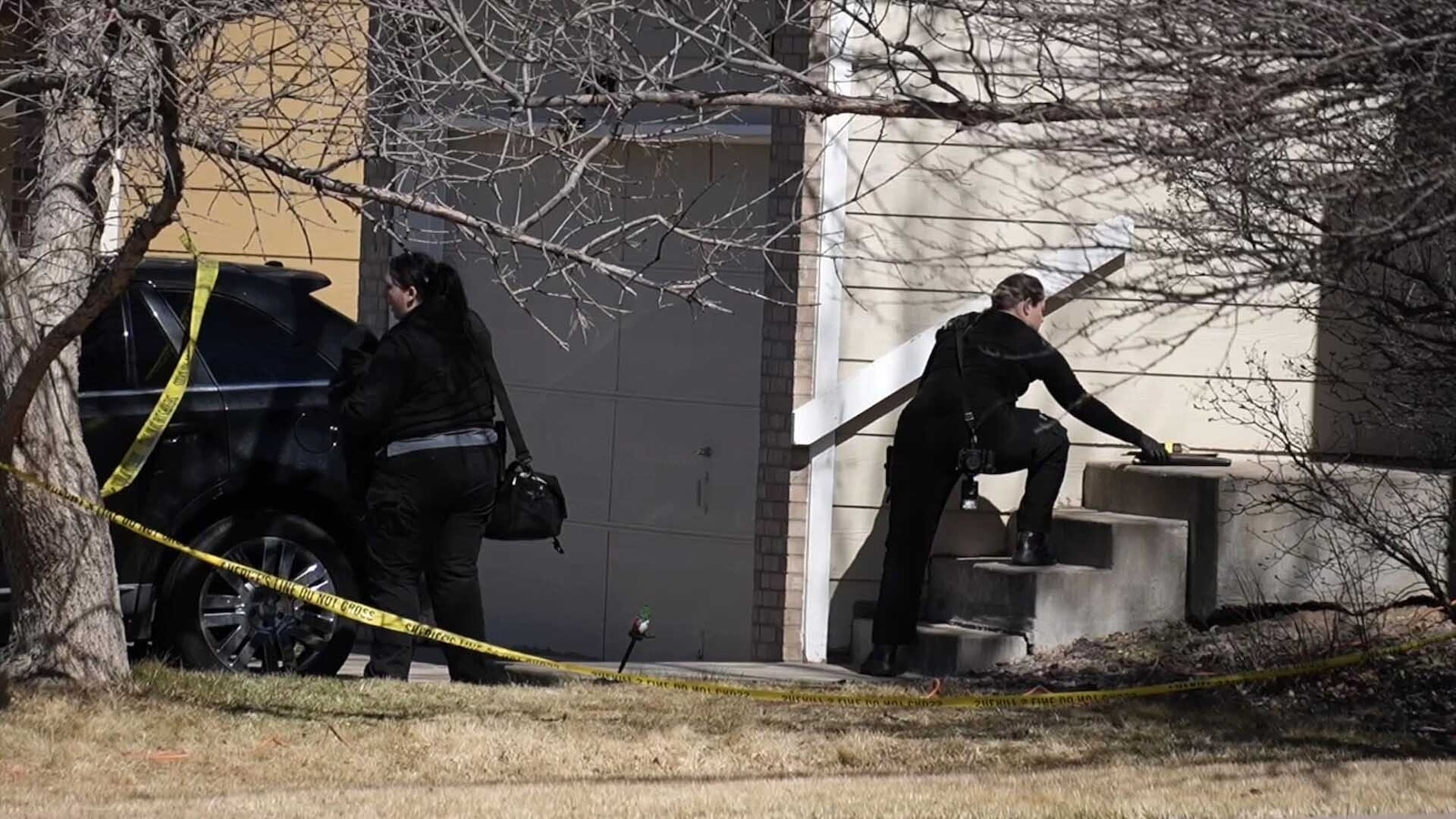
In a devastating incident that has shaken a Colorado community to its core, an 11-year-old boy has been arrested and charged with first-degree murder in connection with the death of his 5-year-old brother. The tragedy unfolded in Centennial, Colorado, when the younger child was discovered deceased in the family home on Tuesday. The Arapahoe County Sheriff’s Office made the announcement on Wednesday, revealing details of a case that has left law enforcement officials, educators, and community members struggling to comprehend how such a heartbreaking event could occur. The young victim’s cause of death remains under investigation as authorities work to piece together the circumstances surrounding this unthinkable family tragedy. The older brother has been taken into custody and is currently being held at the Marvin W. Foote Youth Services Center in Centennial, where he awaits further legal proceedings. This case represents one of the most difficult investigations that local law enforcement has had to undertake, involving not just one child, but two young lives forever altered by this tragic event.
Community and Law Enforcement Response
Sheriff Tyler Brown of Arapahoe County addressed the community with visible emotion, acknowledging the profound impact this tragedy has had on everyone involved. “Our hearts go out to the family of these two young boys and to everyone in our community who is grieving this loss,” Sheriff Brown stated, his words reflecting the heavy burden that cases like these place on first responders and investigators. He went on to emphasize that “cases involving the homicide of children are among the most difficult our deputies and investigators face,” highlighting the emotional toll such investigations take on law enforcement personnel who must balance their professional duties with their own human reactions to such devastating circumstances. The sheriff’s office has made it clear that they will be releasing only limited information about the case, citing the fact that both the suspect and the victim are minors. This restriction, while frustrating for a community seeking answers, is standard protocol in cases involving children and is designed to protect the privacy and legal rights of all parties involved, particularly given the sensitive nature of juvenile proceedings.
The School Community Mourns
The tragedy has sent shockwaves through Timberline Elementary School, where the 5-year-old victim was a kindergarten student. Principal Mary Bowens faced the difficult task of informing parents about the loss of one of their youngest students, doing so through a carefully worded letter that balanced the need to inform families with the restrictions placed by the ongoing police investigation. “It is with great sadness that I want to share with you that one of our Kindergarten students has died unexpectedly,” Bowens wrote, her message conveying the weight of grief while maintaining the confidentiality required by law enforcement. The principal explained that “there is currently an active police investigation and law enforcement asked the District not to release the student’s name,” a necessary measure but one that likely adds to the anxiety and uncertainty felt by parents and students alike. School officials are undoubtedly working to provide support services to students and staff who are processing this loss, as the death of such a young child creates ripples of grief throughout an entire school community. Counselors and mental health professionals are typically brought in to help children and adults alike cope with the trauma and confusion that follows such an unexpected tragedy.
Legal and Ethical Complexities
The case raises numerous complex legal and ethical questions about how the justice system handles cases involving very young suspects. First-degree murder is among the most serious charges in the criminal justice system, typically requiring proof of premeditation and intent. When the accused is only 11 years old, the legal proceedings become exponentially more complicated, as the justice system must grapple with questions about a child’s capacity to understand the consequences of their actions, their mental state, and their ability to form the intent necessary for such a serious charge. Juvenile justice systems across the country are designed with the understanding that children’s brains are still developing, particularly in areas related to impulse control, decision-making, and understanding long-term consequences. The case will likely involve extensive psychological evaluations, examinations of the child’s home environment, mental health history, and any factors that might have contributed to such a tragic outcome. Prosecutors, defense attorneys, and judges will all face the challenging task of balancing accountability with the recognition that they are dealing with a child who may need rehabilitation and treatment rather than purely punitive measures. The proceedings will take place in juvenile court, which operates under different rules and philosophies than adult criminal court, with a greater emphasis on rehabilitation and the best interests of the child.
Understanding Childhood Violence and Family Dynamics
While cases of children killing their siblings are extremely rare, they force society to confront uncomfortable questions about childhood violence, family dynamics, and the warning signs that may precede such tragedies. Experts in child psychology and family violence note that multiple factors can contribute to violent behavior in children, including exposure to violence, mental health issues, trauma, abuse, or neglect. In some cases, children who commit violent acts have themselves been victims of violence or have witnessed it in their homes or communities. The investigation into this case will likely explore the family’s history, the relationship between the two brothers, any previous incidents of violence or concerning behavior, and whether there were warning signs that might have been missed or misinterpreted. It’s important to note that we should be cautious about drawing conclusions before all the facts are known, as each case is unique and influenced by a complex web of factors. Mental health professionals emphasize that most children, even those dealing with difficult circumstances, do not become violent, but early intervention when warning signs appear can be crucial in preventing tragedies. This case serves as a sobering reminder of the importance of recognizing when children are struggling and ensuring they have access to appropriate mental health resources and support systems.
Moving Forward: A Community in Grief
As Centennial and the surrounding communities process this tragedy, the focus will likely shift to supporting those most directly affected while also seeking to understand how such an event could occur and whether anything could have been done to prevent it. The family at the center of this tragedy has lost not one but effectively two children—one to death and one to the criminal justice system—a double loss that is almost impossible to comprehend. Neighbors, friends, teachers, and classmates of both boys will need time and support to process their grief and confusion. Community members may find themselves struggling with questions about whether they could have done something to help this family, whether there were signs they missed, and how to protect other children from similar fates. Mental health professionals recommend that communities affected by such tragedies come together to provide support, share resources, and maintain open lines of communication about child safety and wellbeing. This incident, while rare and extreme, highlights the ongoing need for robust mental health services for children and families, better training for educators and others who work with children in recognizing warning signs of distress or danger, and systems that allow for intervention before situations escalate to tragedy. As the investigation continues and the legal process unfolds, the hope is that some understanding can emerge from this heartbreak—understanding that might help prevent future tragedies and ensure that struggling children and families receive the help they need before it’s too late.