


The Unprecedented Release of “Melania”: A Documentary That Defied Hollywood Conventions
A Box Office Surprise That Exceeded All Expectations
When the documentary “Melania” hit theaters, it arrived with fanfare unlike anything the film industry had witnessed before. Promoted enthusiastically by President Trump as “a must watch,” this intimate portrait of the First Lady managed to pull in an impressive $7 million during its opening weekend—a figure that surpassed industry predictions and made history in the documentary world. Pre-release estimates had conservatively projected earnings between $3 million and $5 million, making the actual numbers a pleasant surprise for Amazon MGM Studios, which had acquired the rights for a staggering $40 million and invested an additional $35 million in marketing. This unprecedented investment made “Melania” the most expensive documentary ever produced, a fact that raised eyebrows across the entertainment industry and sparked debates about the intersection of politics, commerce, and filmmaking.
The film’s performance becomes even more remarkable when placed in historical context. “Melania” achieved the best opening weekend for a non-concert documentary in fourteen years, demonstrating that there was indeed substantial public interest in an inside look at the First Lady’s life. Director Brett Ratner, who had been notably absent from Hollywood since facing allegations of sexual misconduct in 2017, helmed the project, marking his return to mainstream filmmaking. The documentary follows Melania Trump over twenty days in January, building toward the President’s second inauguration. For most films carrying $75 million in combined costs, these numbers would signal a commercial disappointment. However, by documentary standards—a genre that typically struggles to attract theatrical audiences—”Melania” represented a genuine success story, proving that political documentaries about sitting administrations could draw crowds when backed by sufficient marketing muscle and presidential endorsement.
An Unconventional Release Strategy and Political Implications
The release strategy for “Melania” broke every unwritten rule in the political playbook. Traditionally, presidential families have avoided releasing memoirs or documentaries while still in office, maintaining a careful distance from anything that might appear to capitalize on their White House position. This long-standing norm exists to prevent the appearance of profiting from public service and to maintain the dignity of the office. “Melania” shattered this convention entirely, debuting in 1,778 theaters during President Trump’s turbulent second term, at a moment when the administration faced intense scrutiny over various policy decisions. The timing proved particularly controversial, as the film arrived during a week dominated by news coverage of federal immigration enforcement actions in Minnesota, including the fatal shooting of a civilian by a Border Patrol agent. This juxtaposition of a celebratory documentary against a backdrop of national controversy highlighted the unusual nature of the entire endeavor.
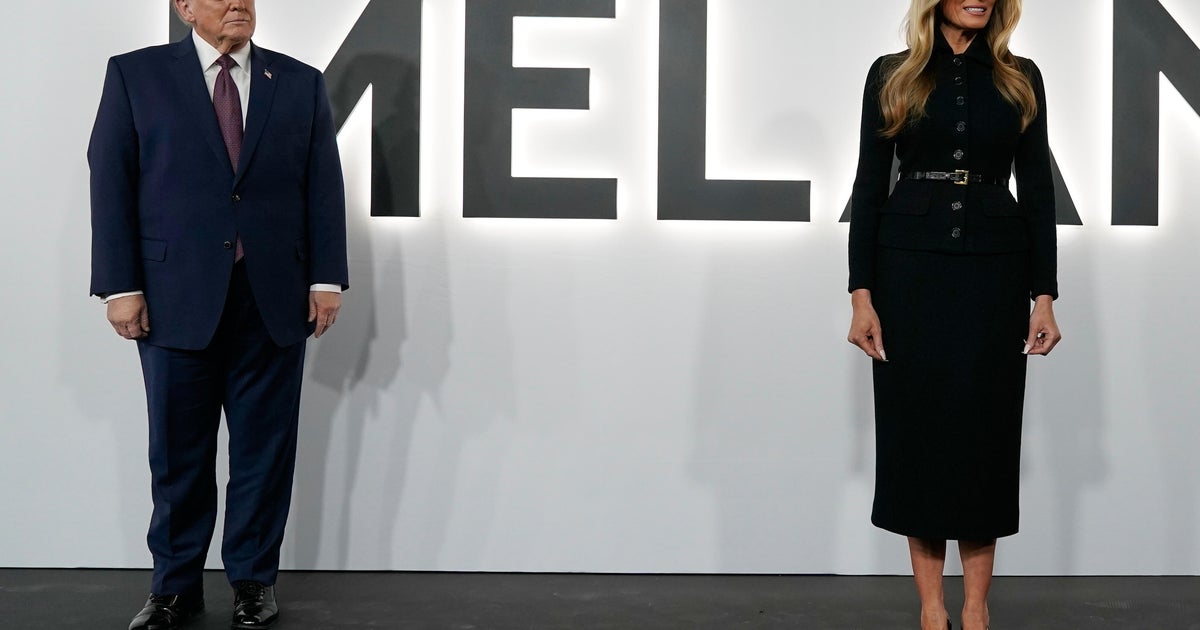
The promotional campaign included events that further blurred the lines between governance and entertainment. President Trump hosted a glittering premiere at the Kennedy Center, with an audience that included cabinet members and members of Congress—effectively turning a film opening into a government affair. A week before the public release, the White House held a black-tie preview screening attended by some of America’s most powerful business leaders, including Amazon CEO Andy Jassy and Apple CEO Tim Cook, alongside celebrities like former boxing champion Mike Tyson. At the Kennedy Center event, the President fielded questions from reporters about substantive policy matters ranging from the Federal Reserve to foreign policy regarding Iran and Cuba, mixing film promotion with presidential duties in a manner unprecedented in modern American politics. The First Lady herself appeared on the red carpet, telling CBS News that audiences would experience “a lot of emotions, from humor to sadness to grief to celebration, family,” framing the documentary as an emotional journey rather than a political statement.
Critical Reception Versus Audience Response
The divide between critical and audience reception for “Melania” proved stark and revealing. Amazon MGM Studios made the strategic decision not to screen the film in advance for critics, a choice that often signals studio concerns about negative reviews impacting box office performance. When reviews finally emerged after the film’s theatrical release, they were overwhelmingly harsh. Critics wielded their most colorful language in condemning the documentary. The Guardian’s Xan Brooks compared it to “a medieval tribute to placate the greedy king on his throne,” suggesting the film functioned more as flattery than journalism. Variety’s Owen Gleiberman dismissed it as a “cheese ball infomercial of staggering inertia,” criticizing its lack of substantive content. Perhaps most damning, The Hollywood Reporter’s Frank Scheck wrote that “to say that ‘Melania’ is a hagiography would be an insult to hagiographies,” implying the film went beyond mere admiration into the realm of uncritical worship.
Despite this critical drubbing, audiences who actually purchased tickets told a completely different story. The film earned an “A” CinemaScore, indicating that viewers who chose to see “Melania” overwhelmingly enjoyed the experience. This dramatic split between critics and audiences reveals much about the current state of American cultural and political divisions. The demographic breakdown of the audience proved revealing: an overwhelming 72% of ticket buyers were aged 55 or older, 72% were female, and 75% were white. The film performed strongest in Southern states, with Florida and Texas leading ticket sales—regions that align closely with Trump’s political base. This pattern suggests that “Melania” functioned less as a traditional documentary seeking to inform a broad audience and more as a piece of content designed to appeal to an existing, enthusiastic fan base. David A. Gross, who runs the movie consulting firm FranchiseRe, offered perhaps the most insightful analysis: “For any other film, with $75 million in costs and limited foreign potential, it would be a problem. But this is a political investment, not a for-profit movie venture.”
The Amazon Factor and Questions of Influence
Gross’s comment about “political investment” raises perhaps the most intriguing questions surrounding “Melania.” Amazon’s decision to invest $40 million for rights and $35 million for marketing appears financially questionable from a pure profit perspective, given the limited theatrical potential of documentaries and the film’s narrow demographic appeal. However, Gross suggested an alternative explanation: “If it helps Amazon with a regulatory, taxation, tariff or other government issue, then it will pay back. $75 million is insignificant to Amazon.” This statement implies that Amazon’s massive investment might be understood less as a conventional film acquisition and more as a strategic expenditure designed to curry favor with a sitting administration that holds regulatory power over the tech giant’s business operations.
Amazon CEO Andy Jassy’s attendance at the White House preview screening takes on additional significance in this context. As one of the world’s largest corporations, Amazon faces ongoing scrutiny regarding antitrust issues, tax policy, labor practices, and its massive cloud computing contracts with government agencies. The company’s willingness to absorb what appears to be a guaranteed financial loss on a documentary about the sitting First Lady raises ethical questions about the relationship between corporate interests and political power. Following its theatrical run, “Melania” will stream on Prime Video, Amazon’s subscription service, where it might find a somewhat larger audience. However, even with streaming numbers factored in, the project seems unlikely to recoup its costs through traditional revenue streams. This reality supports the interpretation that Amazon’s investment serves purposes beyond simple entertainment business—purposes that might include building goodwill with an administration that could significantly impact the company’s regulatory environment and business opportunities.
Brett Ratner’s Comeback and Hollywood’s Changing Landscape
The choice of Brett Ratner as director added another layer of controversy to the project. Ratner had been effectively exiled from Hollywood since 2017, when multiple women, including actress Olivia Munn, accused him of sexual harassment and misconduct during the height of the #MeToo movement. Ratner has consistently denied these allegations, but they nevertheless resulted in his removal from projects and a general ostracization from the industry. His involvement with “Melania” represents a remarkable comeback, one that would have been unthinkable just a few years ago when Hollywood was actively reckoning with decades of sexual misconduct. The project signals a potential shift in the industry’s calculus regarding figures who had been sidelined during the #MeToo era.
Reports suggest that President Trump personally intervened to rehabilitate Ratner’s career. Last fall, Paramount Pictures announced it would distribute Ratner’s “Rush Hour 4,” marking another significant step in his return to mainstream filmmaking. At the Kennedy Center premiere, Ratner himself seemed cautiously optimistic about the film’s prospects, telling the audience, “You can’t expect a documentary to play in theaters,” perhaps lowering expectations or genuinely surprised by the level of interest. His return raises difficult questions about accountability, redemption, and the extent to which allegations of misconduct should impact careers. For some, Ratner’s comeback represents a troubling erasure of serious allegations and the concerns of accusers. For others, it might represent a second chance or a rejection of what they perceive as “cancel culture.” Regardless of one’s perspective, his prominent role in this high-profile project signals that the rules governing who can work in Hollywood may be changing, particularly when projects have explicit political backing from the highest levels of government.
Box Office Context and Industry Implications
“Melania” debuted in third place during its opening weekend, behind Sam Raimi’s critically acclaimed survival thriller “Send Help,” which took the top spot with $20 million, and the surprise success “Iron Lung,” a microbudget sci-fi horror film directed by YouTuber and filmmaker Markiplier, which earned an impressive $17.9 million and far exceeded expectations. The Jason Statham action thriller “Shelter” opened just below “Melania” with $5.5 million, followed by various other releases including holdovers like “Zootopia 2” and “Avatar: Fire and Ash.” This competitive landscape makes “Melania’s” $7 million performance more impressive from a documentary perspective, though it remains modest in the broader theatrical context.
The film’s international release proved even more challenged than its domestic performance. Shortly before its global debut, South African distributor Filmfinity announced it would no longer release the documentary, citing “recent developments” without elaborating further. This withdrawal suggests that the film’s political nature made it controversial even in markets far removed from American politics. International ticket sales were projected to be minimal, further reinforcing the interpretation that “Melania” functioned primarily as a domestic political project rather than a globally appealing entertainment product. The entire episode illustrates how documentary filmmaking, theatrical distribution, corporate strategy, and political influence can intersect in unexpected ways, creating a release unlike anything the industry had previously experienced. Whether “Melania” represents a one-time anomaly or a preview of future intersections between politics and entertainment remains to be seen, but its unconventional path to theaters and surprising box office performance ensures it will be studied and debated for years to come.