
Caribbean Cruise Ship Hit by Norovirus Outbreak Affecting Over 150 People
When a Dream Vacation Takes an Unexpected Turn
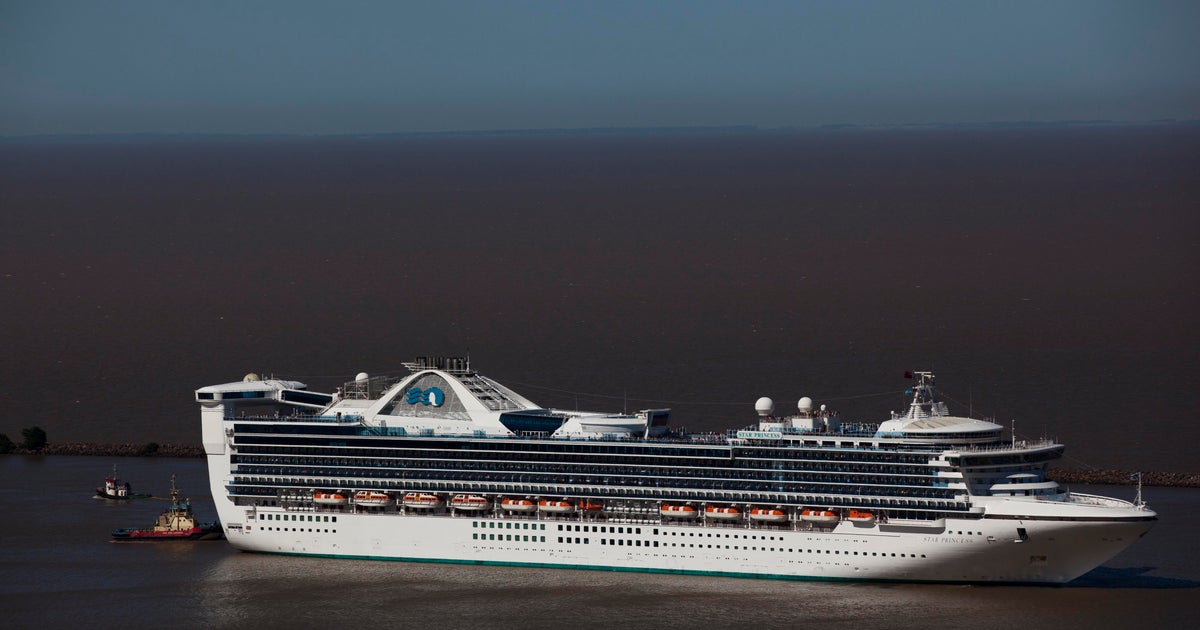
Picture this: you’ve been planning your Caribbean cruise for months, excited about tropical destinations, gourmet dining, and relaxation on the open sea. But instead of enjoying paradise, you find yourself confined to your cabin battling severe stomach illness. This unfortunate scenario became reality for more than 150 passengers and crew members aboard the Star Princess cruise ship last week. The U.S. Centers for Disease Control and Prevention confirmed that a norovirus outbreak swept through the vessel as it traveled through the Caribbean, turning what should have been an idyllic vacation into a challenging ordeal. With 104 guests and 49 crew members reporting symptoms of gastrointestinal illness, this outbreak serves as a stark reminder that even in the middle of paradise, invisible health threats can quickly spread in close quarters.
The Star Princess was carrying 4,307 guests and 1,561 crew members when the outbreak occurred, meaning that while the percentage of those affected was relatively small, the absolute numbers were significant enough to trigger a full CDC response. Princess Cruises notified the health agency on March 11, but by that time, the ship had already been at sea for several days, and the virus had established its foothold among those aboard.
The Journey and Timeline of the Outbreak
The Star Princess embarked on what was supposed to be a memorable eight-day Caribbean adventure on March 7, departing from Fort Lauderdale, Florida. The itinerary promised the kind of exotic destinations that make Caribbean cruises so popular: Honduras, Belize, and Mexico’s stunning Riviera coast. The voyage was scheduled to conclude on March 14, with passengers returning to Fort Lauderdale with memories of white sand beaches, crystal-clear waters, and tropical adventures. According to cruise tracking site CruiseMapper.com, the vessel followed a carefully planned route through some of the Caribbean’s most beautiful waters, offering scheduled stops at multiple ports of call.
When Princess Cruises reported the outbreak to the CDC on March 11, the timing suggests that passengers had already enjoyed several days of their vacation before symptoms began appearing in significant numbers. Based on the ship’s itinerary, the Star Princess would have been sailing from Belize City to Cozumel, Mexico, when officials acknowledged the scale of the problem. This timing is particularly significant because norovirus typically has an incubation period of 12 to 48 hours, meaning the virus was likely spreading through the ship’s population during the early days of the cruise, possibly even before departure, with symptoms manifesting later in the voyage.
Understanding the Symptoms and Impact on Passengers
Those unfortunate enough to contract norovirus during this outbreak experienced the illness’s characteristic symptoms: predominantly diarrhea and vomiting. While these symptoms might sound manageable to those who’ve never experienced a true norovirus infection, anyone who has dealt with this particular “stomach bug” knows it can be absolutely debilitating. Norovirus doesn’t mess around – it hits hard and fast, leaving sufferers feeling utterly miserable. Imagine being confined to a cruise ship cabin, missing out on island excursions and onboard activities you’ve paid good money for, while dealing with severe gastrointestinal distress. For many passengers, the romantic Caribbean cruise they’d been dreaming about became a test of endurance as they battled through waves of nausea and frequent bathroom visits.
The colloquial term “stomach bug” really doesn’t do justice to how awful norovirus can make people feel. Beyond the primary symptoms of vomiting and diarrhea, many people also experience stomach cramps, body aches, headaches, and low-grade fever. The combination can leave victims feeling completely drained, and on a cruise ship where you’re away from the comfort of home and your own doctor, the experience can be particularly frightening. For the 104 guests who fell ill, their Caribbean adventure became something they’d likely remember for all the wrong reasons. And for the 49 crew members who got sick, the situation was even more challenging – they not only felt terrible themselves but had to continue serving passengers while dealing with their symptoms and increased workload from the outbreak response.
The Response: How Princess Cruises and Health Officials Tackled the Crisis
When the scope of the outbreak became clear, Princess Cruises and the Star Princess crew didn’t just sit idly by – they activated their outbreak response plan, a protocol specifically designed for such emergencies. This plan called for significantly ramped-up cleaning and disinfection procedures throughout the ship. Imagine teams of crew members working around the clock, thoroughly sanitizing public areas, dining spaces, handrails, elevator buttons, and every high-touch surface where the highly contagious norovirus could be lurking. The virus is notoriously difficult to kill, requiring specific disinfectants and rigorous cleaning protocols, so this was no small undertaking.
The crew also took the scientifically sound approach of collecting stool samples from symptomatic passengers and crew members for testing. While this might sound unpleasant, these samples are crucial for confirming norovirus as the culprit and potentially identifying the specific strain involved. Additionally, the ship’s medical team implemented isolation procedures, separating sick passengers and crew members from the healthy population to prevent further transmission. For those isolated, this meant room service meals and missed activities, but these inconveniences were necessary to protect others on board.
The CDC didn’t just receive reports and file paperwork – they took active measures to investigate and address the situation. The agency’s Vessel Sanitation Program, which exists specifically to help the cruise industry prevent and control outbreaks of gastrointestinal illnesses on ships, deployed personnel to conduct a field response. This meant performing an environmental assessment and thorough outbreak investigation to understand how the virus spread, identify the source if possible, and ensure proper containment measures were in place. Princess Cruises, for their part, did not immediately respond to media requests for comment, focusing their efforts on managing the situation aboard the ship.
Why Cruise Ships Are Particularly Vulnerable to Norovirus
If it seems like you’re always hearing about norovirus outbreaks on cruise ships, you’re not imagining things – these vessels really are hotspots for this particular illness. The reasons are straightforward: cruise ships bring together thousands of people from different locations, confine them in a relatively small space with shared facilities, and create countless opportunities for the virus to spread. Norovirus is extraordinarily contagious, requiring only a tiny amount of viral particles to infect someone new. It spreads through contaminated food or water, touching contaminated surfaces and then touching your face, or through direct contact with an infected person. On a cruise ship, passengers and crew share dining areas, touch the same handrails and door handles, use common elevator buttons, and gather in entertainment venues – creating perfect conditions for viral transmission.
The Star Princess outbreak isn’t an isolated incident but rather part of a concerning pattern. Just earlier this year, in January, the CDC reported that a Holland America cruise ship departing from the same Fort Lauderdale port had experienced an outbreak that sickened more than 80 people after setting sail at the end of December. Then in February, 27 people fell ill from an unidentified gastrointestinal illness aboard the Regent Seven Seas, a luxury cruise ship traveling from Miami to Honolulu. These repeated outbreaks across different cruise lines suggest that the problem isn’t with any single company’s procedures but rather reflects the inherent challenges of preventing disease transmission in the unique environment of a cruise ship. Major cruise lines have invested heavily in sanitation protocols and outbreak response plans, yet norovirus remains a persistent threat because of how easily it spreads and how resistant it is to many common disinfectants.
Looking Forward: What This Means for Future Cruisers
For anyone planning a cruise vacation, these outbreaks might give pause, but it’s important to maintain perspective. While more than 150 people getting sick sounds alarming, consider that this represented only a fraction of the nearly 6,000 people aboard the Star Princess. The vast majority of passengers completed their Caribbean vacation without incident. That said, the reality of cruise travel is that outbreaks like this can and do happen, and travelers should be prepared for that possibility. Purchasing travel insurance that covers illness-related trip interruptions is wise, as is packing medications for gastrointestinal issues, hand sanitizer, and disinfecting wipes for your cabin.
The cruise industry and health authorities continue working together to minimize these risks. The CDC’s Vessel Sanitation Program inspects ships regularly, and cruise lines have developed increasingly sophisticated outbreak response protocols. These efforts help, but they can’t eliminate risk entirely when you’re dealing with a virus as contagious and resilient as norovirus. For passengers, the best defense is personal hygiene: wash your hands frequently and thoroughly with soap and water (hand sanitizer alone isn’t enough for norovirus), avoid touching your face, and be cautious about food handling. If you do get sick, report it to the ship’s medical center immediately – not just for your own care, but to help prevent the virus from spreading to others. While no one books a cruise expecting to spend it sick in their cabin, understanding the risks and knowing how cruise lines respond can help travelers make informed decisions about their vacation plans. The Caribbean will still be beautiful, the ships will still sail, and most passengers will still have wonderful experiences – but a little preparation and awareness goes a long way toward ensuring your cruise remains memorable for all the right reasons.