
Rep. Dan Crenshaw Defends Trump’s Middle East Military Strategy Amid Rising Iran Tensions
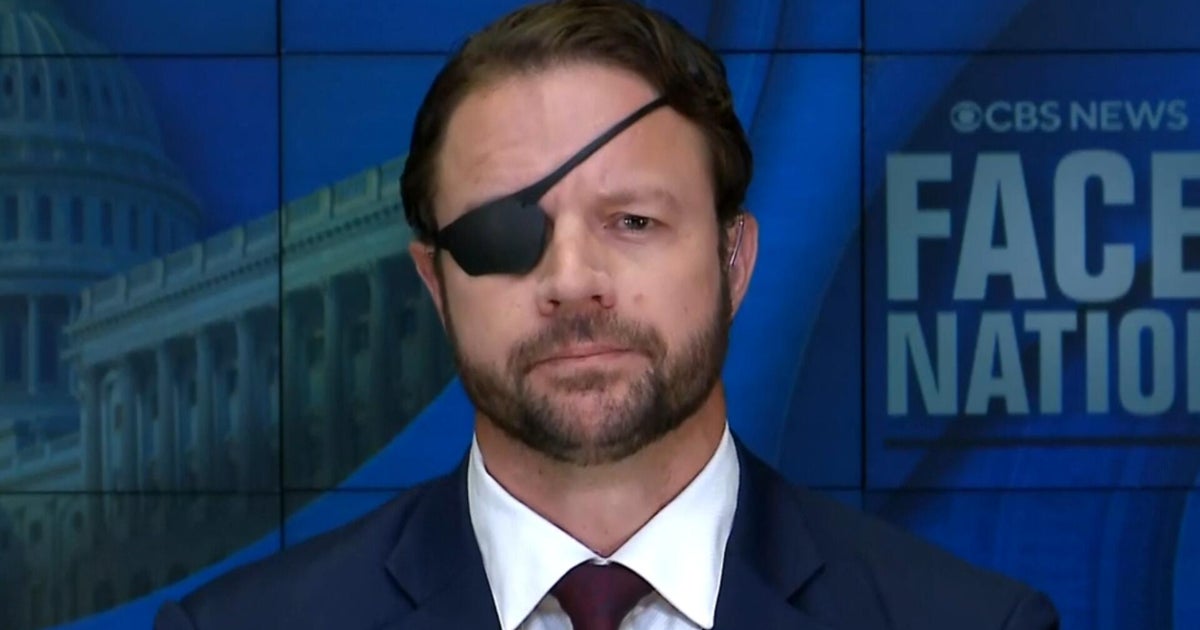
As the United States prepares to deploy additional Marines to the Middle East in response to escalating tensions with Iran, Texas Republican Representative Dan Crenshaw has come forward to defend President Trump’s approach to the situation. The former Navy SEAL turned congressman appeared on CBS’s “Face the Nation” to discuss the Pentagon’s decision to send thousands more troops to the region, characterizing the move as both necessary and appropriate given the current geopolitical climate. According to Crenshaw, the deployment demonstrates a serious commitment to supporting whatever operations may become necessary in the volatile region. His comments reflect a broader Republican perspective that views a strong military presence as essential to maintaining American interests and deterring potential threats from Iran. The congressman emphasized that when the United States commits to a military action or deployment, it’s crucial to follow through completely rather than taking half-measures that could ultimately prove ineffective or even dangerous to American personnel.
Supporting Clear Military Guidelines and Rules of Engagement
One of the most significant aspects of Crenshaw’s interview focused on recent statements made by Defense Secretary Pete Hegseth, who stirred controversy earlier this month by declaring there would be “no stupid rules of engagement” and “no politically correct wars” under the current administration. Rather than viewing these comments as problematic, Crenshaw praised Hegseth for providing what he described as clear, straightforward military language that troops can understand and follow. Drawing from his own combat experience in Iraq and Afghanistan, Crenshaw spoke candidly about what he characterized as “bad rules of engagement” that he and fellow service members encountered during those conflicts. He specifically referenced frustrating policies that prohibited troops from engaging threats until after being fired upon—restrictions he believes unnecessarily endangered American lives. In Crenshaw’s interpretation, Hegseth’s statements signal a shift toward allowing military personnel to proactively target Iranian military assets “without quarter,” meaning without hesitation or restraint when operationally justified. The congressman argued that this clarity in military directives is something that has been lacking in many past American conflicts, where ambiguous rules and political considerations sometimes hampered effective military operations.
Dismissing Concerns About Inflammatory Language
When pressed about whether Hegseth’s aggressive language might provoke enemies or escalate already tense situations, Crenshaw firmly rejected these concerns. He maintained that while the public rhetoric may seem bold, the actual operational rules of engagement will be properly documented, clearly defined, and formally communicated to troops in writing. This distinction between public messaging and operational reality is important, according to Crenshaw, because it allows political and military leaders to project strength and resolve while still maintaining professional military standards in actual combat situations. The congressman argued that the messaging sends “exactly the right message” rather than the wrong one, suggesting that demonstrating American resolve and willingness to act decisively serves as a deterrent rather than an invitation to conflict. This perspective reflects a broader philosophical divide in American foreign policy between those who believe strong rhetoric backed by military readiness prevents conflicts and those who worry that such language can create self-fulfilling prophecies by escalating tensions unnecessarily. Crenshaw clearly falls into the former camp, viewing clear, forceful communication as an essential element of effective deterrence strategy.
Addressing Islamophobic Rhetoric Within the Republican Party
The conversation took a more uncomfortable turn when Crenshaw was asked to address recent anti-Muslim statements from some of his Republican colleagues. Senator Tommy Tuberville of Alabama had recently posted images juxtaposing New York City Mayor Zohran Mamdani at a Ramadan event with photographs from the September 11th terrorist attacks, while Representative Andy Ogles of Tennessee made statements suggesting Muslims don’t belong in American society. Rather than forcefully condemning these statements, Crenshaw characterized such Islamophobic rhetoric as “fairly fringe” within the Republican Party. He attempted to redirect the conversation toward what he termed “radical Islamism,” arguing that opposition to this ideology should not be controversial. However, this response seemed to conflate criticism of terrorist ideologies with broader anti-Muslim sentiment, potentially missing the point of the question about discrimination against Muslim Americans who have no connection to extremism. Crenshaw acknowledged that an ongoing conflict exists within Republican ranks regarding Israel, antisemitism, and related issues, suggesting that speaking out against problematic statements might actually amplify them. Despite downplaying the prevalence of anti-Muslim rhetoric in his party, he insisted it doesn’t represent the administration’s position and emphasized that targeting “radical Islam” remains a priority, which is why agencies like the Department of Homeland Security need continued funding.
Reflecting on Primary Election Loss and the Role of Misinformation
In a more personal segment of the interview, Crenshaw discussed his recent loss in the Republican primary that will end his tenure representing Texas’s 2nd congressional district. The congressman attributed his defeat partly to what he described as misinformation and online smears that have targeted him throughout his political career. This claim positions Crenshaw as a victim of the same forces of disinformation that have become a central concern in American politics more broadly, though without specific details about what false information circulated or how it may have influenced voters. His characterization of himself as a “unique Republican” who has been subject to “online smears and conspiracies for a very long time” suggests he views his political profile as distinct from many of his colleagues, possibly referring to his occasionally more moderate stances on certain issues or his willingness to criticize fellow Republicans when he disagrees with them. Crenshaw urged voters to be more discerning about information they encounter online or receive through mail, placing some responsibility on the electorate to verify claims rather than accepting them at face value. His comments reflect a broader frustration among some politicians who feel that traditional campaign strategies focused on policy positions and constituent service have become less effective in an era where viral social media content and targeted disinformation campaigns can rapidly shape public opinion.
Lessons for American Politics and Voter Responsibility
Crenshaw’s interview touches on several interconnected challenges facing American democracy and Republican Party politics specifically. His defense of aggressive military posturing toward Iran represents a traditional hawkish foreign policy perspective that has long been prominent in Republican circles but has faced challenges from both isolationist elements within the party and voters weary of prolonged Middle Eastern conflicts. His dismissal of anti-Muslim rhetoric as “fringe” while simultaneously emphasizing the threat of “radical Islamism” illustrates the delicate balance many Republican politicians attempt to strike between condemning terrorism and avoiding alienating Muslim American voters and their allies. His attribution of his primary loss to misinformation raises important questions about how political communication functions in the digital age and what responsibility various actors—candidates, parties, media outlets, social media platforms, and voters themselves—bear for ensuring accurate information shapes electoral decisions. As American politics continues to grapple with questions of military engagement, religious tolerance, and information integrity, perspectives like Crenshaw’s offer insight into how one segment of the Republican establishment views these challenges. Whether voters and fellow politicians find his arguments persuasive will help shape both immediate policy decisions regarding Iran and the longer-term direction of conservative politics in America.