



America Braces for a Perfect Storm of Weather Extremes
A Nation Under Multiple Weather Threats
Americans across the country are facing a remarkable convergence of dangerous weather conditions this week, creating what meteorologists describe as one of the most complex weather situations in recent memory. From crippling blizzards in the north to potentially deadly tornadoes in the heartland, and from record-breaking heat in the west to devastating floods in Hawaii, it seems no corner of the nation is being spared from nature’s fury. More than 36 million people find themselves under various weather warnings and watches, forcing families to cancel travel plans, businesses to shut down, and emergency responders to work around the clock. This isn’t just a news story with statistics and weather maps—it’s about real people whose lives are being disrupted, endangered, and in some cases, completely upended by forces beyond their control. For many Americans waking up this week, the question isn’t whether the weather will affect them, but how severely and for how long.
When Winter Strikes Back: The Northern Blizzard Crisis
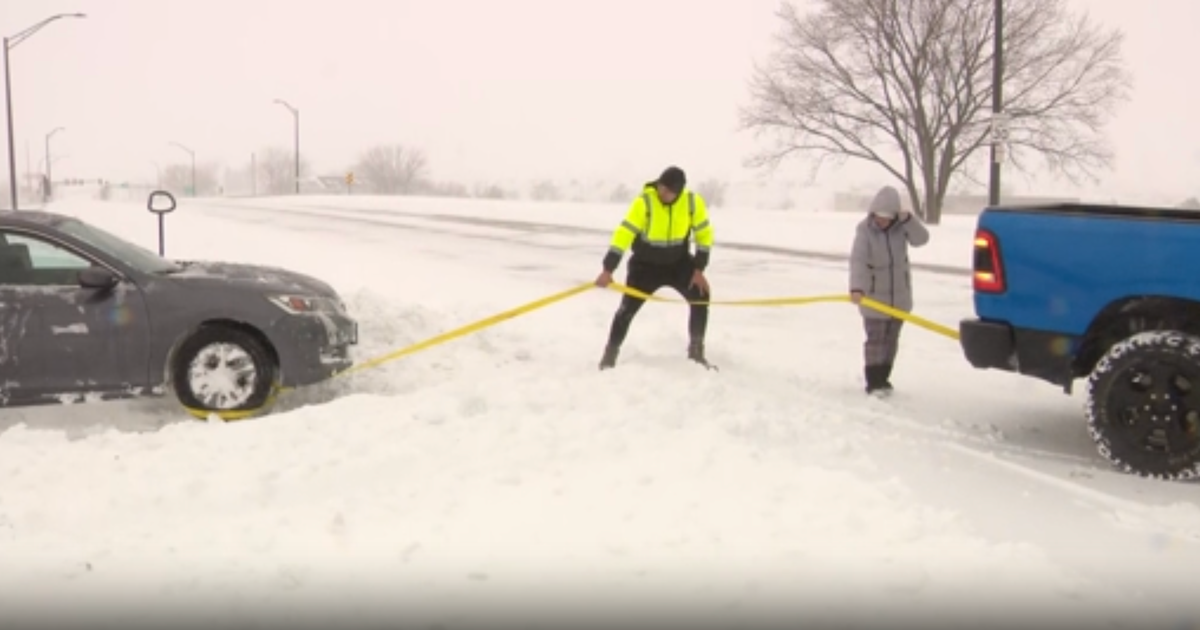
The Northern Plains and Upper Great Lakes are experiencing what veteran snowplow drivers are calling one of the worst blizzards in years. More than 11.5 million people are hunkering down under blizzard warnings, while another 4.3 million are dealing with winter storm warnings that have brought life to a standstill across multiple states. The storm has been particularly brutal in Minnesota and Wisconsin, where more than a foot of snow has already fallen, with several more inches expected before the system finally moves on. Aaron Haas, a snowplow driver working the streets of Marshfield, Wisconsin, has seen his share of winter storms, but even he’s struggling with this one. “You can’t see anything when you’re on the highways outside of the city,” he reported, describing snow piles stacked as high as his truck. The blinding conditions have made travel not just difficult, but genuinely life-threatening, prompting Minnesota officials to issue a rare no-travel advisory for the southern part of the state. Governor Tim Walz has taken the extraordinary step of activating the Minnesota National Guard to support emergency operations—a clear indication of just how serious this situation has become. At the Minneapolis-Saint Paul International Airport, the storm’s impact has rippled beyond state borders, with more than 600 flights canceled, leaving thousands of travelers stranded and families separated. Detroit has faced similar disruptions with dozens more cancellations. The National Weather Service reports that blizzard conditions are expected to continue into Monday, with additional lake-effect snow likely to follow, meaning the misery isn’t over yet for residents of these hard-hit areas.
Tornado Alley Expands Eastward: A Severe Weather Emergency
While northerners are digging out from snow, millions of Americans to the south and east are watching the skies with growing anxiety as the same massive storm system that brought the blizzard now threatens to unleash violent tornadoes and destructive winds across a vast swath of the country. A powerful cold front is driving a developing squall line that forecasters say poses an enhanced risk of severe weather from the Lower Great Lakes through the Ohio and Tennessee valleys. But the real concern is building for Monday, when a moderate risk of severe weather—a classification that weather professionals don’t use lightly—stretches across parts of the Mid-Atlantic region. Cities that don’t often face tornado threats, including Raleigh, North Carolina; Richmond, Virginia; and even Washington, D.C., could find themselves in harm’s way as storms capable of producing tornadoes, damaging wind gusts, hail, and flash flooding push toward the East Coast. The weather service has identified a corridor stretching from parts of South Carolina to Maryland as being at particular risk for damaging winds Monday afternoon, with some threat extending north to portions of New York and south to northern Florida. For residents in these areas, this means more than just bringing in the patio furniture and postponing outdoor plans—it means preparing emergency kits, identifying safe rooms in their homes, and staying alert to rapidly changing conditions. Schools may close, outdoor workers may need to seek shelter, and families with young children or elderly relatives will need to make sure everyone knows what to do if a tornado warning is issued. These aren’t the kind of storms you watch from the porch; these are the kind that demand respect and preparation.
Desert Heat Arrives Months Too Early in the West
In a striking contrast that underscores just how bizarre this weather pattern is, while millions are dealing with snow and storms, another 20.6 million Americans in the western United States are under extreme heat watches for temperatures more typical of summer than mid-March. An unusually early heat wave is building across Southern California, the Desert Southwest, and the Great Basin, driven by a strengthening ridge of high pressure that’s essentially parking hot air over the region for most of the week. Desert communities could see thermometers climbing into the 90s and even triple digits—temperatures that would be notable in July but are genuinely shocking for March. Even areas outside the deserts, including much of California and the interior West, may experience highs in the 70s and 80s, prompting residents to break out shorts and sunscreen months before they normally would. But this early-season heat wave isn’t just about uncomfortable temperatures and higher air conditioning bills. The warm, dry, and windy pattern accompanying the heat is significantly increasing wildfire danger across parts of the West and High Plains, raising concerns among fire officials who are still months away from peak wildfire season. Vegetation that might normally still be dormant or moist from winter precipitation is instead drying out rapidly, creating the kind of tinder-dry conditions that can turn a carelessly discarded cigarette or a spark from equipment into a raging wildfire within minutes. For western communities still recovering from devastating wildfire seasons in recent years, this early heat is more than an inconvenience—it’s a genuine source of anxiety and a reminder that climate patterns are becoming increasingly unpredictable.
Paradise in Peril: Hawaii’s Flooding Emergency
As if the continental United States weren’t dealing with enough, the Hawaiian islands are facing their own weather crisis, with flash flooding, landslides, and infrastructure damage affecting thousands of residents and disrupting what’s normally considered America’s island paradise. Maui, Molokai, and the Big Island have been particularly hard hit, with rain falling at rates of one to two inches per hour overnight—the kind of deluge that overwhelms drainage systems and turns streams into raging rivers within minutes. Maui County Mayor Richard Bissen reported in a late Saturday social media post that some areas of Maui had received an astounding 20 inches of rain in just 24 hours, an amount that would typically fall over several months. The results have been devastating: acres of farmland submerged under muddy water, homes collapsed or flooded, roads washed out or blocked by landslides, and sinkholes suddenly opening up where solid ground existed just days before. Over 50,000 electric customers have been left without power according to PowerOutage.us, meaning families are dealing with flooding in the dark, unable to cook hot meals, charge phones, or even keep medications refrigerated. Emergency shelters have been opened for those who’ve had to evacuate their homes, and downed power lines pose an additional danger to rescue workers and residents alike. The Hawaii Emergency Management Agency has been working around the clock to coordinate responses, but the sheer scale of the flooding and the geographic challenges of providing aid across multiple islands have complicated relief efforts. Mayor Bissen’s expression of gratitude—”mahalo for continuing to look out for one another”—reflects both the severity of the situation and the community spirit that Hawaiians are known for, as neighbors help neighbors in the face of natural disaster.
The Human Cost of Weather Extremes
Behind every weather statistic and forecast map are real people whose lives are being profoundly affected by these extreme conditions. There’s the family in Minneapolis whose spring break travel plans have been canceled, leaving disappointed children and non-refundable hotel reservations. There’s the farmer in North Carolina nervously watching the sky, hoping the tornado threat passes without destroying the crops or equipment that represent his family’s livelihood. There’s the elderly couple in Phoenix concerned about how they’ll afford the electricity bill during an unexpected heat wave, or whether their decades-old air conditioner will hold up under the strain. There are the Hawaiian residents who’ve watched their homes flood, their possessions ruined, wondering how long it will take to rebuild and whether insurance will cover the damage. Emergency responders—from snowplow drivers to firefighters to utility workers—are working double and triple shifts, missing time with their own families to keep everyone else safe. Teachers are making last-minute lesson plans for potential school closures. Hospital staff are preparing for an influx of weather-related injuries and illnesses. And across the country, people are checking on elderly neighbors, bringing pets inside, stocking up on supplies, and having conversations with their children about what to do if severe weather strikes. This remarkable weather situation serves as a powerful reminder that for all our technological advances and weather prediction capabilities, we’re still fundamentally vulnerable to nature’s power. But it also highlights the resilience, preparation, and community spirit that emerge when Americans face these challenges together, looking out for one another when the weather turns dangerous.