
Major Winter Storm System Brings Dangerous Conditions Across Multiple U.S. Regions
First Storm Sweeps Through Great Lakes and Northeast
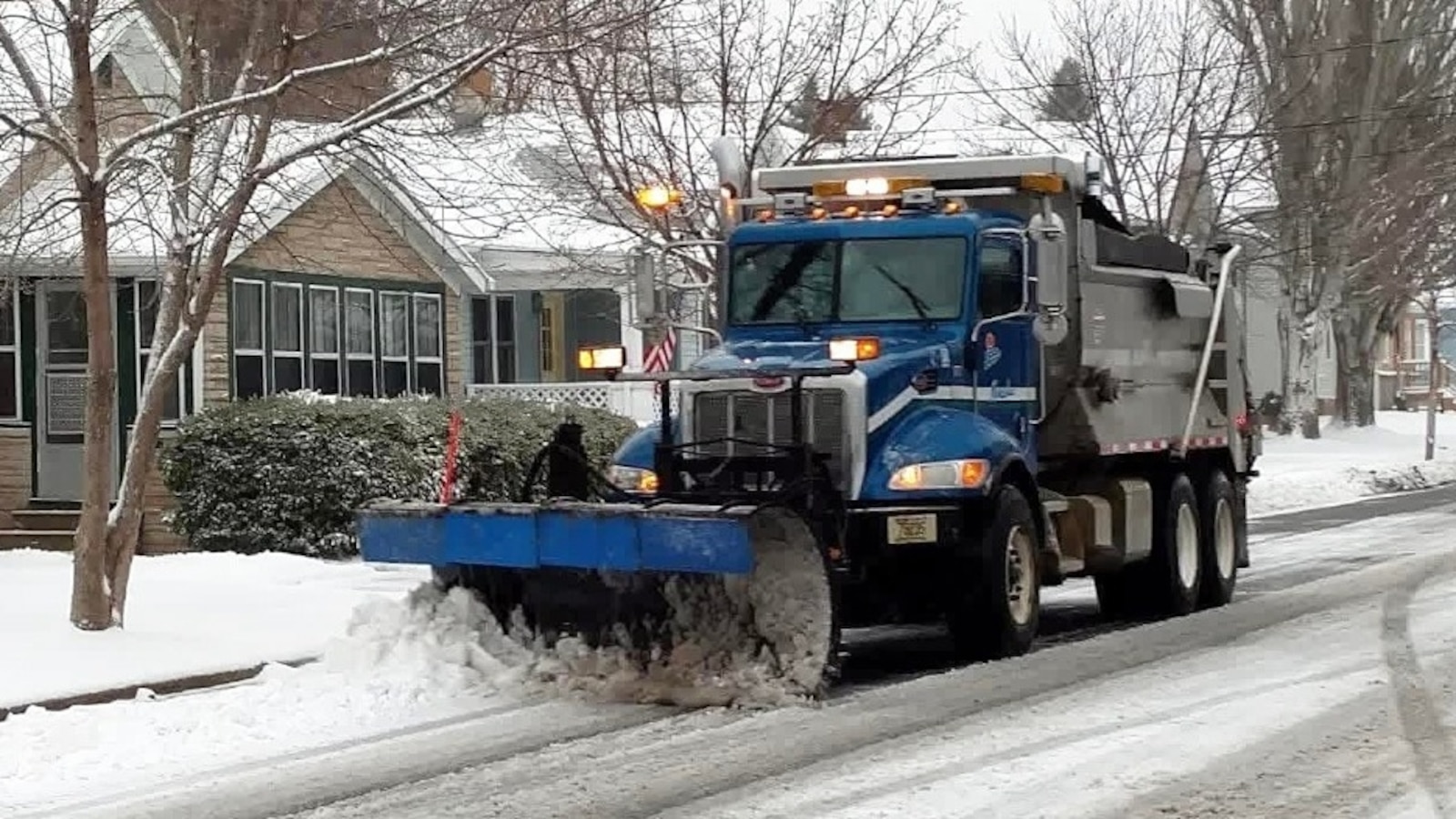
The Great Lakes and northeastern United States are currently dealing with the aftermath of a powerful storm system that has brought dangerous winds and significant snowfall to the region. This initial storm moved through the Great Lakes area before pushing into the northern parts of the Northeast, creating hazardous conditions from the eastern Great Lakes all the way to northern New England. The widespread impact has affected millions of residents across multiple states, forcing many to take precautions and stay off the roads.
Friday saw some of the most dramatic wind conditions, with gusts exceeding 70 miles per hour reported across Ohio, Minnesota, Michigan, and Indiana. These powerful winds were strong enough to overturn vehicles, including a semi-truck that was blown over on Interstate 280 atop the Veterans’ Glass City Skyway in Ohio, as captured by the Ohio Department of Transportation. The dramatic footage serves as a stark reminder of just how dangerous these conditions can be for travelers. Wind alerts have remained active from northeast Ohio and central Pennsylvania extending northward to Upstate New York and the higher elevations of Massachusetts. These warnings are expected to continue through Saturday morning and afternoon, with forecasters predicting sustained wind gusts between 45 and 60 miles per hour. Such powerful winds pose risks not only to drivers but also to power lines, trees, and structures, potentially leading to widespread power outages and property damage.
As Saturday morning arrived, snow continued to blanket Upstate New York and northern New England. Forecasters are predicting an additional widespread accumulation of 1 to 3 inches of snow across the region, stretching from northwest New York all the way to Maine. Some localized areas could see even heavier accumulations, with more than 3 inches possible in certain spots. While these amounts may not seem extreme, the combination of snow with the ongoing strong winds creates blowing and drifting snow conditions that significantly reduce visibility and make travel treacherous. Residents in affected areas have been advised to limit travel unless absolutely necessary and to prepare for potential power outages by having emergency supplies on hand.
Larger, More Powerful Storm System Approaching
While communities across the Great Lakes and Northeast continue dealing with the first storm, meteorologists are closely tracking an even more powerful system that is expected to have far-reaching impacts across the country. This second storm, described as a stronger cross-country system, began impacting the Pacific Northwest and northern Rockies on Friday and is now sweeping eastward into the northern Rockies and Plains on Saturday, with expectations to reach the Midwest later Saturday into Sunday. The scale and intensity of this storm have prompted weather officials to issue various warnings and alerts across a vast swath of the United States.
Winter storm warnings now stretch impressively from the Idaho Panhandle all the way to the Upper Peninsula of Michigan, covering hundreds of miles and affecting numerous communities along the way. The severity of the expected conditions has led some airlines to proactively cancel flights ahead of the storm’s arrival, recognizing that it would be better to ground planes before the worst conditions arrive rather than risk passenger safety or strand travelers at airports. This proactive approach by flight agencies underscores the serious nature of this weather event and the expectation that conditions will become extremely hazardous.
Perhaps most concerning are the Blizzard Warnings that have been issued for parts of South Dakota and southwest Minnesota. These warnings indicate that residents in these areas should prepare for truly dangerous conditions, with snowfall totals potentially exceeding a foot combined with powerful winds that could reach up to 60 miles per hour. The National Weather Service has issued stark warnings that travel will likely become impossible late Saturday and Sunday in these areas. A blizzard doesn’t just mean heavy snow—it means a combination of snow, wind, and reduced visibility that creates life-threatening conditions. People caught outside in blizzard conditions can become disoriented and lost within minutes, even in familiar areas. By Sunday morning, the snow is expected to stretch from South Dakota and Nebraska eastward into the Great Lakes region, creating a massive zone of winter weather that will impact travel and daily life for millions of people.
Severe Weather Threat Develops on Storm’s Southern Edge
While snow and ice dominate the northern side of this powerful storm system, the southern edge will spawn an entirely different but equally dangerous threat: severe thunderstorms with the potential for damaging winds, large hail, and tornadoes. On Sunday afternoon continuing into the night, a line of severe storms is expected to develop stretching from Michigan southward all the way down to Texas. This extensive line of severe weather represents a significant threat to communities across the Midwest and South.
Meteorologists have already issued an “Enhanced” risk level, which is rated as Level 3 out of 5 on the severe weather scale, for parts of the Midwest on Sunday. This enhanced risk area includes major population centers from Indianapolis southward to just north of Memphis, encompassing numerous communities and putting millions of people in the path of potentially dangerous storms. The main threat from these storms will be widespread damaging wind gusts, which can knock down trees and power lines, damage buildings, and create hazardous conditions for anyone caught outside. However, forecasters also warn that a few tornadoes will be possible along with large hail, meaning residents in the affected areas need to have multiple ways to receive weather warnings and a plan for seeking shelter if dangerous storms approach their location.
The intensity and scope of this storm system will create some truly dramatic weather contrasts in certain cities. Chicago provides a perfect example of the wild weather swings possible with this system. The city could experience thunderstorms on Sunday night, then rapidly transition to snow and whiteout conditions by Monday. This dramatic shift from spring-like severe weather to winter blizzard conditions within just a few hours demonstrates the power and complexity of this weather system. Residents in areas where such dramatic transitions are possible should be prepared for both scenarios, having both storm shelter plans and winter emergency supplies readily available.
Storm Continues East with Ongoing Threats
On Monday, the major storm system will continue its relentless march eastward, bringing various weather hazards to new regions while maintaining dangerous conditions in areas already impacted. Snow and wind will continue across the Great Lakes region, prolonging the difficult conditions there, while rounds of heavy rain and strong winds begin moving into the Northeast. This expansion of the storm’s impact area means that even more communities will need to prepare for challenging weather conditions, and the extended duration of the event will test the endurance of emergency responders and utility workers who have already been working around the clock to keep people safe and restore power where outages have occurred.
The severe weather threat will also continue and expand on Monday, with the focus shifting to the East Coast. From late Monday afternoon into the evening, severe storms are expected from the Florida Panhandle northward to Pennsylvania, covering a massive area that includes some of the most densely populated regions of the United States. An “Enhanced” risk (Level 3 of 5) has been issued for parts of the Carolinas, Virginia, Maryland, and southern Pennsylvania, putting major cities directly in the path of potentially dangerous storms. This list of cities in the enhanced risk area reads like a who’s who of East Coast metropolitan areas: Columbia, South Carolina; Raleigh, North Carolina; Richmond, Virginia; Washington, D.C.; Baltimore, Maryland; and Harrisburg, Pennsylvania. The population density in these areas means that any severe weather could impact a huge number of people, potentially disrupting business, travel, and daily life for millions.
As with the severe weather threat on Sunday, the main dangers on Monday will be damaging winds that can reach speeds high enough to cause significant destruction, some large hail that can damage vehicles and property, and the possibility of a few tornadoes. Residents in the affected areas should stay informed about changing weather conditions throughout the day and be prepared to take immediate action if warnings are issued for their specific location. Having a weather radio or smartphone app that can receive emergency alerts is crucial, as is identifying a safe shelter location in advance.
Expected Snowfall Totals and Final Storm Impact
By the time this powerful and expansive storm system finally moves through and weakens, it will have left a significant mark across a huge portion of the United States. A widespread accumulation of 3 to 6 inches of snow is expected from Montana eastward to the northern fringes of Upstate New York, covering hundreds of miles and affecting countless communities along the way. While 3 to 6 inches might be manageable in areas accustomed to heavy snow with good equipment and preparation, it can still create travel difficulties and disrupt daily routines, particularly when combined with strong winds that create blowing and drifting snow.
The heaviest snow from this system is expected to fall in a corridor stretching from northeast South Dakota to the Upper Peninsula of Michigan. In this zone, snowfall totals of 10 to 20 inches are possible, which would be considered a major winter storm by any standard. These significant accumulations, combined with the gusty winds that will accompany the system, will cause blowing snow and dramatically reduced visibility. These conditions can make travel not just difficult but extremely dangerous or even impossible, as drivers can suddenly find themselves unable to see the road ahead, even with headlights on. The combination of heavy, blowing snow can also cause significant drifting, where some areas are scoured nearly clean while others accumulate much deeper snow, creating uneven and unpredictable road conditions that challenge even experienced winter drivers.
The multi-day nature of this weather event, combined with its vast geographic scope and the variety of hazards it presents, makes it a particularly significant storm system that will be remembered by those in its path. From blizzard conditions in the northern Plains to severe thunderstorms in the South and heavy rain in the Northeast, this storm has something for everyone—though nothing anyone particularly wants. Residents across all affected areas should continue monitoring local weather forecasts, heed all warnings and advisories from the National Weather Service and local emergency management, and prioritize safety over convenience when making decisions about travel and outdoor activities until this dangerous weather pattern finally moves offshore and conditions improve.