
Tragedy in the Skies: Remembering Six American Heroes Lost in Iraq
The American military community is mourning the loss of six dedicated service members who perished in a devastating aircraft crash over Iraq last week. The incident, which occurred on March 12, has sent shockwaves through the tight-knit communities of Ohio, Florida, and beyond, as families, friends, and fellow service members grapple with the sudden loss of these brave men and women who dedicated their lives to serving their country.
The Fallen Heroes: Lives Cut Short in Service
The Department of Defense officially identified the six victims on Saturday, revealing a diverse group of experienced military personnel from across the United States. Captain Seth R. Koval, 38, hailed from Mooresville, Indiana, bringing years of experience and leadership to his role. Captain Curtis J. Angst, 30, from Wilmington, Ohio, was known for his dedication and skill as an aviator. Technical Sergeant Tyler H. Simmons, 28, from Columbus, Ohio, represented the younger generation of servicemen who answered the call to protect their nation. Major John A. Klinner, 33, from Auburn, Alabama, had risen through the ranks with distinction. Captain Ariana G. Savino, 31, from Covington, Washington, stood as one of the accomplished women serving in critical military aviation roles. Technical Sergeant Ashley B. Pruitt, 34, from Bardstown, Kentucky, rounded out this remarkable crew with her technical expertise and commitment to excellence.
Three of the fallen—Koval, Angst, and Simmons—were proud members of the Ohio Air National Guard, specifically assigned to the 121st Air Refueling Wing stationed at Rickenbacker Air National Guard Base in Columbus, Ohio. The remaining three service members—Klinner, Savino, and Pruitt—were assigned to the 6th Air Refueling Wing at MacDill Air Force Base in Florida. These individuals came from different backgrounds and different parts of the country, but they shared a common bond: an unwavering commitment to serving something greater than themselves and protecting the freedoms that Americans hold dear.
A Mother’s Worst Nightmare: The Moment Everything Changed
The heartbreaking reality of military service became all too real for Cheryl Simmons, mother of Technical Sergeant Tyler H. Simmons, when uniformed officers appeared at her door with the devastating news. In an emotional interview with CBS affiliate WBNS on Friday, she recounted the moment that would forever change her life. “When he opened the door he said, ‘Oh no,’ and I jumped up and ran in there and they were lined up out on the porch,” she told the station, her voice capturing the shock and disbelief that every military family dreads. Her immediate response—”You got to be kidding me”—reflects the natural human reaction to news so terrible that the mind initially refuses to accept it as real.
This painful scene has played out countless times throughout American history, but it never becomes easier for the families left behind. The sight of uniformed officers at the door is an image that haunts the nightmares of every military spouse, parent, and child. For Mrs. Simmons and the families of the other five victims, this nightmare became their reality. The grief, the questions, the sudden absence of a loved one who left for what was supposed to be another mission—these are the hidden costs of military service that civilians rarely witness but that military families understand all too well. Tyler Simmons was not just a technical sergeant to his mother; he was her son, perhaps a brother to siblings, maybe a father himself, and certainly a person whose absence will leave an irreplaceable void in the lives of those who loved him.
The Mission: Combat Operations Against Iran
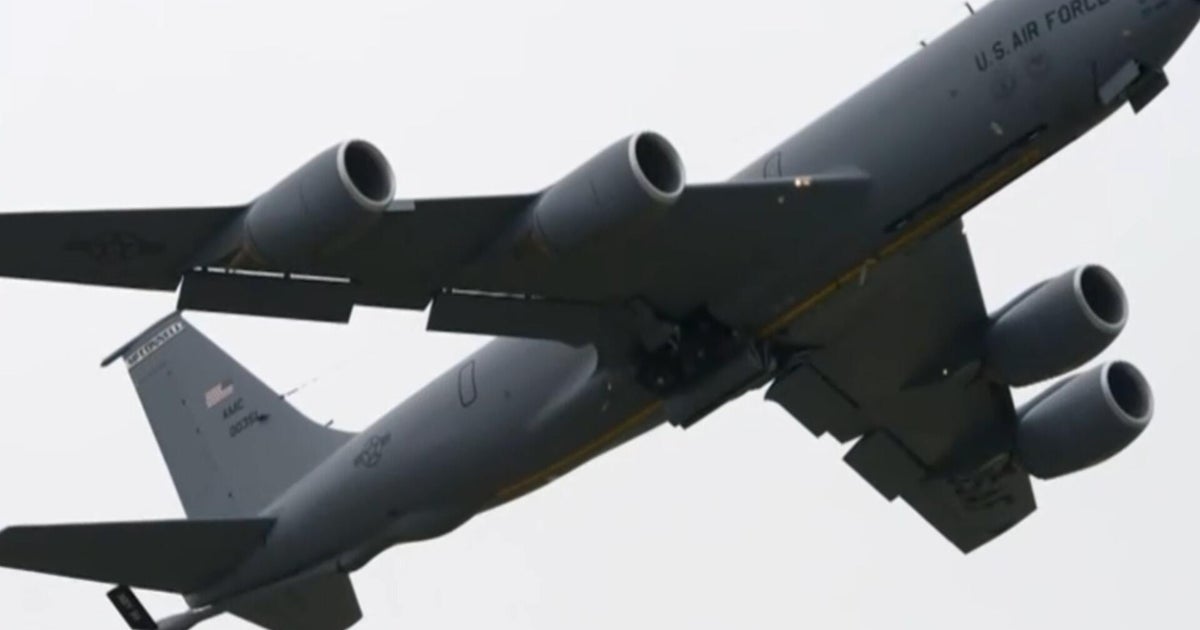
The six service members lost their lives while participating in operations against Iran, flying a KC-135 aerial refueling aircraft over western Iraq. The aircraft crashed near Turaibil, a location along the Iraqi-Jordanian border, according to information provided by an Iraqi intelligence source to CBS News. The KC-135 is a critical asset in modern military operations—these aerial refueling tankers enable fighter jets, bombers, and other aircraft to remain airborne for extended periods by providing mid-air refueling capabilities. Without these vital support aircraft and their skilled crews, many military operations would be impossible to conduct effectively.
Air Force General Dan Caine, chairman of the Joint Chiefs of Staff, provided additional context about the circumstances surrounding the crash. He confirmed that the crew was indeed on a combat mission, which underscores the serious and dangerous nature of their assignment. However, he also noted that at the time of the crash, the aircraft was flying over friendly territory, which makes the incident all the more tragic and mysterious. When military aircraft go down in combat zones due to enemy action, there is at least a clear understanding of what happened, even amid the grief. But when an aircraft crashes over friendly territory during a combat mission, it raises questions about what went wrong and whether the tragedy could have been prevented.
The Department of Defense has announced that the incident is currently under investigation. This standard procedure following any military aviation accident involves a thorough examination of all possible factors—mechanical issues, weather conditions, human error, or any combination of circumstances that might have contributed to the crash. These investigations can take months or even years to complete, as experts meticulously analyze flight data, maintenance records, witness accounts, and physical evidence from the crash site. For the families of the victims, this investigation represents a quest for answers and understanding, though no explanation will ever truly compensate for their loss.
National Recognition: Honoring American Heroes
Defense Secretary Pete Hegseth was among the first high-ranking officials to publicly address the tragedy, praising the fallen service members as American heroes. This designation, while perhaps overused in some contexts, is entirely appropriate for these six individuals who made the ultimate sacrifice while serving their country. They were not sitting behind desks in safe locations; they were actively engaged in a combat mission in a volatile region of the world, fully aware of the risks but choosing to serve anyway. That choice—to put themselves in harm’s way for the benefit of others—is the very definition of heroism.
The recognition from Defense Secretary Hegseth and General Caine represents not just official military protocol, but a genuine acknowledgment of the sacrifice these families have made. When service members die in the line of duty, their families become part of a sorrowful brotherhood—Gold Star families who carry the weight of their loss while also bearing the pride of knowing their loved ones served honorably. The words of military leaders, while they cannot ease the pain, do provide some measure of recognition that these deaths were not in vain and that the nation they served remembers and honors their sacrifice.
The Broader Context: America’s Continued Military Presence in the Middle East
This tragic incident serves as a stark reminder that American military personnel continue to serve in dangerous regions around the world, often with little public attention or awareness. While major combat operations in Iraq officially ended years ago, American forces remain active in the region, conducting operations, training allied forces, and maintaining a strategic presence. The operations against Iran mentioned in connection with this mission reflect the ongoing tensions between the United States and Iran, tensions that have periodically escalated into military confrontations over the past several decades.
The crash of this KC-135 refueling aircraft also highlights the often-overlooked roles that support personnel play in military operations. While fighter pilots and ground combat troops often receive the most attention and recognition, the reality is that modern military operations depend on a vast network of support functions. Aerial refueling crews like those who died in this crash are absolutely essential to mission success, yet their work often goes unnoticed by the general public. They don’t drop bombs or engage in direct combat, but without their skills and dedication, many combat missions would be impossible. This incident reminds us that danger and sacrifice are not limited to those in direct combat roles—everyone serving in a combat zone faces risks, and everyone who wears the uniform deserves our recognition and gratitude.
Remembering and Moving Forward: A Nation’s Debt
As the investigation into this crash continues and as the families of these six fallen heroes begin the painful process of grieving and healing, the rest of the nation has an obligation to remember and honor their sacrifice. Captain Seth R. Koval, Captain Curtis J. Angst, Technical Sergeant Tyler H. Simmons, Major John A. Klinner, Captain Ariana G. Savino, and Technical Sergeant Ashley B. Pruitt were more than just names on a Department of Defense press release. They were sons and daughters, possibly spouses and parents, definitely friends and colleagues who made people laugh, who had dreams and plans for the future, who had favorite foods and hobbies and quirks that made them unique individuals.
The communities they came from—Mooresville, Wilmington, Columbus, Auburn, Covington, and Bardstown—will forever carry the memory of these local heroes who gave everything in service to their country. The military units they served with—the 121st Air Refueling Wing and the 6th Air Refueling Wing—have lost valued members of their teams, people they trained with, flew with, and trusted with their lives. The investigation will eventually provide technical answers about what caused the crash, but no investigation can quantify the human cost or restore what has been lost. What we can do, as a nation, is ensure that their sacrifice is remembered, that their families receive the support they need, and that we never take for granted the men and women who continue to serve in difficult and dangerous circumstances around the world. These six Americans answered their country’s call, and they paid the ultimate price. We owe them, and all those who serve, a debt that can never be fully repaid—only honored through remembrance and gratitude.