


ICE Granted Broader Powers for Warrantless Arrests Under New Federal Directive
Expanded Authority for Immigration Enforcement
A recently disclosed government memorandum has significantly expanded the authority of Immigration and Customs Enforcement (ICE) officers to conduct arrests without warrants when dealing with individuals suspected of being in the United States illegally. This directive, which was issued by acting ICE director Todd Lyons and subsequently filed in federal court, represents a substantial shift in how immigration enforcement operates on the ground. The memo broadens the legal interpretation of when officers can bypass the normal requirement for administrative warrants, particularly in situations involving what are known as “collateral arrests”—instances where immigration officers encounter individuals who weren’t the original targets of their operations but are found to have violated immigration law during the course of enforcement activities. This change has far-reaching implications for how ICE conducts its day-to-day operations and raises important questions about the balance between effective immigration enforcement and protecting individual rights.
Understanding the Legal Framework Behind the Changes
Under traditional U.S. immigration law, ICE officers are generally required to obtain an administrative warrant before making an arrest of someone suspected of immigration violations. These administrative warrants differ from the judicial warrants that most people are familiar with in criminal proceedings—they’re signed by ICE supervisors or other agency employees rather than by judges or magistrates. However, the law has always included an exception that allows immigration agents to conduct warrantless arrests under specific circumstances: when they have reason to believe someone is in the country illegally and when they determine that the person is “likely to escape” before a warrant can be obtained. The critical issue addressed in the new memo involves how ICE interprets and applies this “likely to escape” provision. Previously, ICE had relied on a more restrictive interpretation that focused on whether someone was a “flight risk”—meaning whether they would likely flee the area or fail to comply with immigration proceedings, such as appearing for scheduled court hearings. The new directive dramatically redefines this standard in a way that makes it substantially easier for officers to justify warrantless arrests.
The New Definition of “Likely to Escape”
Acting Director Lyons’s memo fundamentally redefines what it means for someone to be “likely to escape” in the context of immigration enforcement. Dismissing the previous interpretation as both “unreasoned” and “incorrect,” Lyons has established a new standard that is considerably broader and more permissive from the perspective of enforcement officers. Under the new guidance, someone is considered “likely to escape” if ICE officers determine that the person is unlikely to remain at the specific location where they were initially encountered once an administrative warrant is obtained. This represents a significant departure from the previous standard, which required officers to make a broader assessment about whether someone would flee the general area or evade future immigration proceedings altogether. The new definition essentially means that if officers believe someone might leave the immediate scene—whether that’s a workplace, a residence, or any other location—they can proceed with a warrantless arrest. This change effectively lowers the bar for when officers can skip the warrant requirement, giving them considerably more discretion in the field and potentially leading to a substantial increase in on-the-spot arrests during immigration enforcement operations.
Criteria for Making Warrantless Arrest Determinations
The memo provides ICE agents with specific factors to consider when determining whether someone is “likely to escape” under the new definition. These criteria include whether the individuals being encountered have refused to comply with officer commands or have attempted to evade immigration officers in any way. Officers are also instructed to consider whether the person is in a vehicle, which presumably could facilitate a quick departure from the scene. The possession of potentially fraudulent documents is another factor that officers should weigh in making their determination. Additionally, agents are directed to consider whether the individual could potentially face federal criminal prosecution for illegal entry or illegal reentry into the United States—offenses that carry more serious consequences than civil immigration violations alone. These factors provide a framework for officers to justify warrantless arrests in a wide variety of scenarios, and critics have expressed concern that the criteria are broad enough to apply to almost any enforcement encounter. The practical effect is that ICE officers now have significantly more flexibility to make immediate arrests of unauthorized immigrants they encounter during operations, even when those individuals weren’t the original targets and even when they may have no criminal history beyond their immigration status violations.
Rising Tensions and Community Impact in Minneapolis
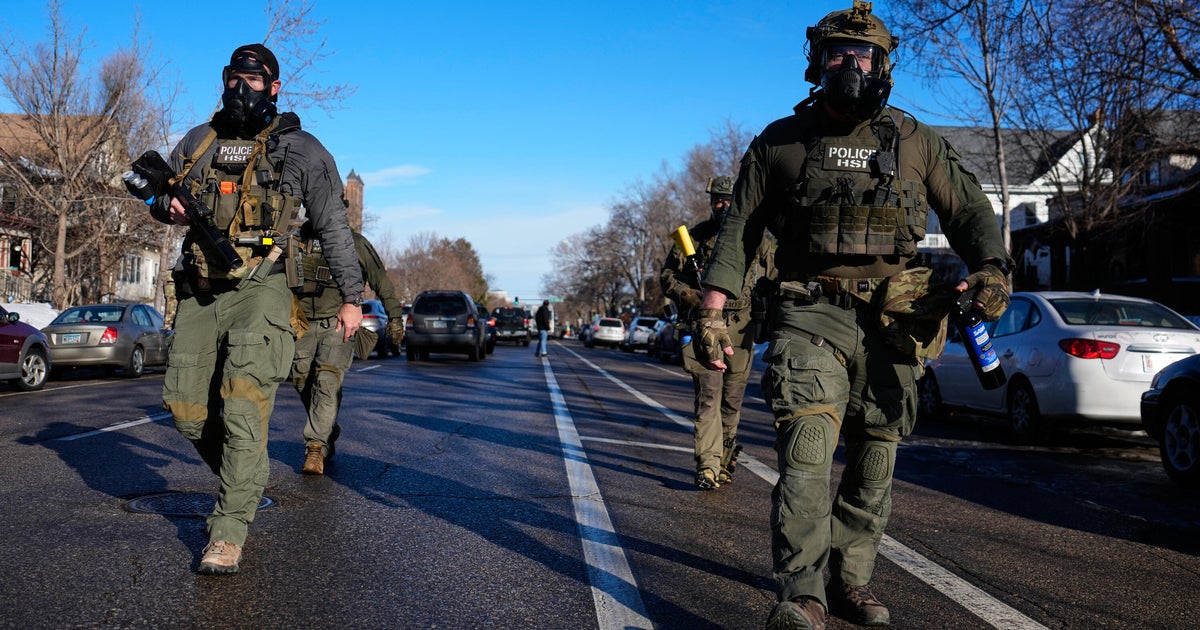
The release of this memo comes at a time of heightened tension over ICE enforcement activities, particularly in the Minneapolis area, which has experienced an unprecedented deployment of federal immigration agents in recent weeks. Local community leaders, elected officials, and residents have increasingly criticized what they describe as heavy-handed and aggressive enforcement tactics that have disrupted neighborhoods and created fear among immigrant communities. The situation in Minneapolis has become especially volatile following two tragic incidents that shocked the community and the nation: the fatal shootings of Renee Good and Alex Pretti, both U.S. citizens and Minneapolis residents, by federal agents. These deaths have intensified scrutiny of federal immigration enforcement operations and raised serious questions about the tactics being employed, the oversight mechanisms in place, and the impact on communities where enforcement actions are concentrated. The timing of the new memo’s disclosure—coming amid this period of intense public backlash and community concern—has only added fuel to the ongoing debate about the appropriate scope and methods of immigration enforcement in the United States.
Broader Implications for Immigration Enforcement and Civil Liberties
This policy shift represents more than just a technical adjustment to ICE procedures—it has significant implications for how immigration enforcement will be conducted across the country and how it will affect millions of people living in immigrant communities. By expanding the circumstances under which officers can conduct warrantless arrests, the directive potentially increases the vulnerability of unauthorized immigrants to detention during any encounter with ICE, regardless of whether they were specifically targeted. Civil liberties advocates and immigration rights organizations have expressed deep concern that the broader interpretation of “likely to escape” could lead to increased racial profiling and pretextual stops, where minor infractions or even simple presence in certain locations could lead to immigration arrests. The policy change also raises constitutional questions about the Fourth Amendment’s protections against unreasonable searches and seizures, as warrantless arrests inherently involve less oversight and fewer checks on government power than arrests conducted with proper warrants. As federal courts continue to evaluate immigration enforcement practices, this memo is likely to become a focal point in legal challenges. The document’s submission to federal court in Minnesota suggests that it may already be part of ongoing litigation related to ICE activities in that region. As communities across the nation grapple with the realities of increased immigration enforcement, this policy change will undoubtedly shape the experiences of countless individuals and families while continuing to fuel the broader national debate about immigration policy, enforcement priorities, and the balance between security concerns and protection of civil rights.