


March Madness 2025: Breaking Down the Tournament Selections and Controversies
The Top Seeds Take Their Places
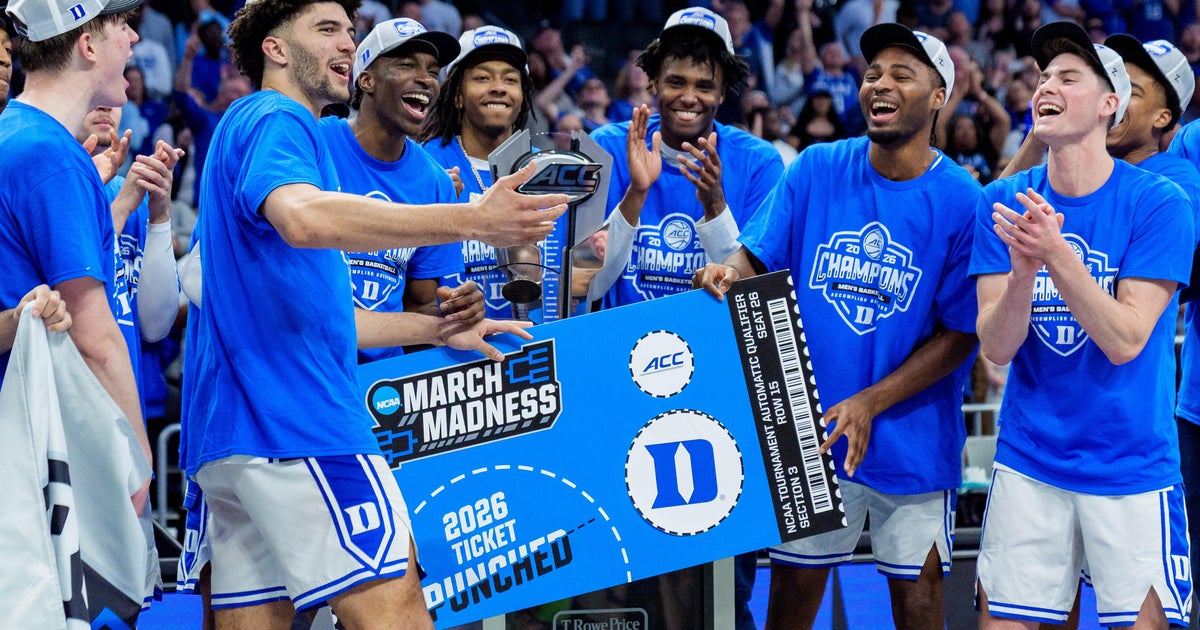
The stage is set for another thrilling March Madness tournament, with Duke claiming the coveted overall number one seed when the brackets were unveiled on Selection Sunday. Following closely behind are Arizona, Michigan, and Florida, rounding out the top four seeds in what turned out to be a relatively predictable top line. All four teams are hoping to recreate the magic of last season when all four number one seeds successfully advanced to the Final Four—a rare achievement in tournament history. The only minor shuffle came when Michigan dropped one spot to the overall third seed, a direct consequence of their loss to Purdue in the Big Ten final just moments before the selection committee revealed the brackets. Keith Gill, the tournament selection chair, confirmed that this last-minute result influenced their final decision, demonstrating how even the final hours before Selection Sunday can dramatically impact seeding positions and potential tournament paths.
The Nail-Biting Selections and Bubble Teams
While the top seeds generated little controversy, the real drama unfolded with the teams fighting for those final precious tournament spots. Miami (Ohio) found themselves in the tournament’s most precarious position, squeaking into the field as a number eleven seed despite boasting an impressive 31-1 record. The catch? Their strength of schedule ranked a dismal 339th in the nation, raising serious questions about the quality of their competition throughout the season. The RedHawks will face a challenging First Four matchup against SMU in Dayton, Ohio—fortunately not too far from their home campus—where they’ll need to win just to officially enter the main tournament bracket. The bubble drama continues with Texas facing North Carolina State in another First Four game between eleventh-seeded teams. These play-in games begin Tuesday, kicking off the tournament action that will ultimately culminate with the national championship game at the Final Four in Indianapolis on April 6. For teams like San Diego State, Indiana, Oklahoma, and Auburn, Selection Sunday brought disappointment rather than celebration as they found themselves on the outside looking in.
Conference Representation and the Snubs That Sparked Debate
The selection results revealed interesting patterns in conference representation, with the Southeastern Conference leading the charge by placing an impressive ten teams in the 68-team field. While this fell four teams short of their record from the previous year, it still demonstrated the conference’s dominance in college basketball. The Big Ten followed with nine teams, while the ACC and Big 12 each placed eight teams—a distribution that reflects the current landscape of massive conference expansion and the impact of NIL (Name, Image, and Likeness) compensation that has drawn top talent to programs with the deepest pockets. Among the most controversial snubs was Auburn, whose exclusion drew sharp criticism from Bruce Pearl, the former Auburn coach and father of current coach Bryce Pearl. Working as a commentator for CBS during the selection show, Pearl didn’t hold back his frustration, pointing out that Auburn had played “the toughest schedule in the country” despite accumulating sixteen losses. The Tigers held the third-best strength of schedule nationally, yet the committee apparently didn’t reward them sufficiently for taking on such challenging competition—a decision that highlights the ongoing debate about how the selection committee should balance wins and losses against quality of competition.
The Defending Champions and Historical Context
The Florida Gators enter the tournament as the number one overall seed in their region and the defending national champions, attempting to achieve something truly special in college basketball. Florida is pursuing back-to-back championships, which would echo their remarkable 2006-07 accomplishment when they became one of the few programs to repeat as national champions. Last season saw Florida participate in an all-number-one Final Four—the first time in seventeen years that all four top seeds had advanced to the national semifinals. This historical achievement set a high bar for this year’s top seeds and added extra pressure on Duke, Arizona, Michigan, and Florida to deliver similar results. The tournament selection also produced some head-scratching moments, particularly regarding Miami (Ohio). Selection chair Keith Gill confusingly stated that Miami was not the last at-large team selected, even though their position in the 1-68 rankings placed them behind bubble teams like North Carolina State, Texas, and SMU. These three teams also rated higher than Miami in several key metrics used by the selection committee, making the explanation even more puzzling. Apparently, Miami’s 31 victories carried enough weight to overcome their weak schedule—a decision that validated the age-old basketball principle that winning games, regardless of opponent quality, still matters significantly.
Injury Impact and Seeding Adjustments
One of the more notable aspects of this year’s selection process was the committee’s deliberate consideration of how injuries would impact teams’ tournament prospects and seeding. North Carolina suffered the most visible consequence of this approach, receiving a number six seed after losing key player Caleb Wilson to a broken right thumb. The Tar Heels’ seeding reflected the committee’s assessment that Wilson’s absence would significantly hamper their championship chances. Similarly, Texas Tech’s number five seeding took into account JT Toppin’s season-ending knee injury, which robbed the Red Raiders of an important contributor during the most crucial part of the season. When asked about how NCAA seeding principles influenced bracket placement, Gill pointed to the First Four matchup between NC State and Texas—a game the committee would have preferred to avoid since it represented a rematch of their November meeting at the Maui Invitational. However, one decision that raised eyebrows was placing number two seed Houston in the South region, where they could potentially play the regional final in their hometown—a situation the NCAA typically tries to avoid to maintain competitive balance and eliminate perceived home-court advantages during tournament play.
Conference Tournament Impact and Final Bracket Decisions
The committee’s treatment of conference tournament results revealed some interesting inconsistencies in their decision-making process. While Michigan’s loss in the Big Ten final clearly influenced their drop from the overall number two to number three seed, and Purdue’s victory in that same game elevated them from a three seed to a two seed, the committee appeared less responsive to developments in other conferences. The Big East tournament final saw St. John’s dominate UConn by twenty points, yet the Red Storm remained at number five—right where most bracket experts had predicted them—and received a cross-country assignment to play Northern Iowa in San Diego this week. Meanwhile, UConn maintained their number two seed position despite the lopsided loss, suggesting the committee viewed their body of work throughout the entire season as more important than a single championship game result. These decisions highlight the challenging balance the selection committee must strike between rewarding recent performance and evaluating season-long excellence. As the tournament begins with the First Four games this week, sixty-eight teams will pursue their championship dreams, knowing that March Madness consistently delivers unforgettable moments, stunning upsets, and the crowning of heroes who rise to the occasion when everything is on the line. The road to Indianapolis and the Final Four promises the same drama, excitement, and heartbreak that has made this tournament one of the most beloved sporting events in American culture.