

U.S. and Russia Restore Military Communication After Years of Silence
A Historic Step Toward De-escalation
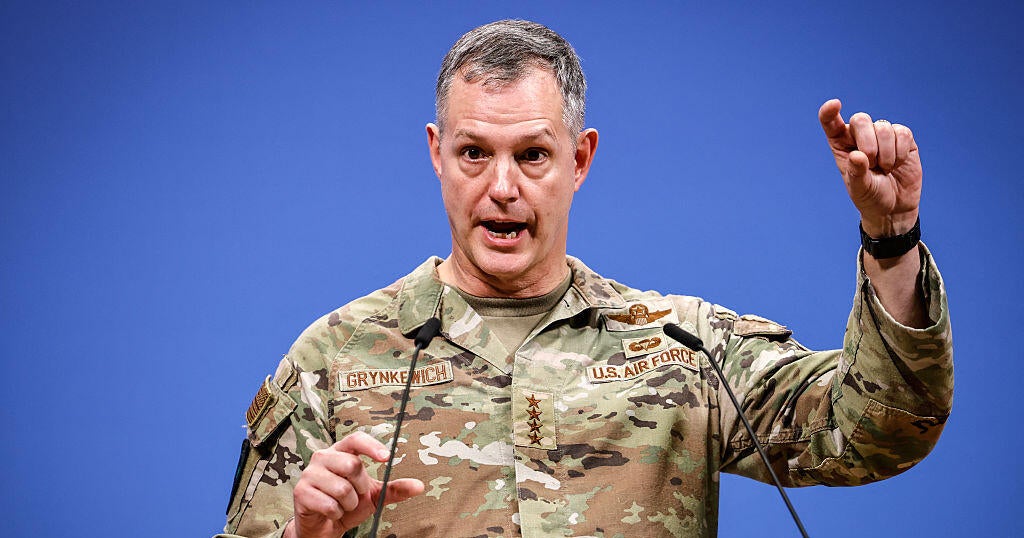
In a significant diplomatic development, the United States and Russia have agreed to restart high-level military communication channels that had been frozen since fall 2021, months before Russia launched its full-scale invasion of Ukraine. The announcement, made by U.S. European Command on Thursday, represents a notable shift in relations between the two global superpowers at a critical juncture in the ongoing conflict. The decision came during talks held in Abu Dhabi, the capital of the United Arab Emirates, where General Alexus G. Grynkewich, head of U.S. European Command, was participating in groundbreaking trilateral discussions involving representatives from the United States, Russia, and Ukraine. These conversations mark a serious attempt to bring an end to a devastating war that has now stretched on for nearly four years, causing immeasurable human suffering and reshaping the geopolitical landscape of Eastern Europe and beyond.
The timing of this agreement carries particular weight, as it coincides with the expiration of the last remaining nuclear arms control treaty between the United States and Russia, the world’s two largest nuclear powers. This confluence of events underscores both the urgency and the delicate nature of current diplomatic efforts. According to the European Command’s statement, maintaining open lines of communication between the militaries of major powers is absolutely essential for global stability and peace. The statement emphasized that such dialogue “can only be achieved through strength, and provides a means for increased transparency and de-escalation.” This philosophy reflects a longstanding principle in international relations: that even adversaries must maintain channels of communication to prevent misunderstandings that could lead to catastrophic consequences, particularly when nuclear weapons are involved.
High-Stakes Negotiations in Abu Dhabi
The restoration of military dialogue emerged from the second round of direct talks between Russian and Ukrainian representatives, with American officials serving as brokers in this delicate diplomatic dance. The two-day negotiations brought together an impressive array of high-level American officials, signaling the Trump administration’s serious commitment to finding a resolution to the conflict. Among those attending were Steve Witkoff, serving as U.S. presidential special envoy, and Jared Kushner, President Trump’s son-in-law and adviser, who has taken on an increasingly prominent role in foreign policy matters. Also present were Army Secretary Dan Driscoll and General Grynkewich, ensuring that both diplomatic and military perspectives were represented at the table.
Following the conclusion of these talks, Envoy Witkoff issued a statement characterizing the negotiations as “detailed and productive,” though he was careful to acknowledge that “significant work remains.” Despite the challenges ahead, Witkoff pointed to concrete achievements, most notably the first prisoner exchange between Ukraine and Russia in five months. This humanitarian gesture, while limited in scope, represents the kind of tangible result that can build momentum toward broader agreements. Witkoff argued that “steps like this demonstrate that sustained diplomatic engagement is delivering tangible results and advancing efforts to end the war in Ukraine.” For families on both sides who have endured months or years of uncertainty about the fate of their loved ones, such exchanges represent far more than diplomatic symbolism—they are deeply personal moments of relief and reunion that remind us of the human cost of this conflict.
Trump’s Push for Peace Meets Stubborn Obstacles
Since beginning his second term in office, President Trump has made ending the war in Ukraine a top foreign policy priority, repeatedly expressing his belief that he can broker a deal that has eluded his predecessors. The war is set to enter its fourth year on February 24, a grim anniversary that has motivated the current push for negotiations. However, the path to peace has proven far more complicated than campaign trail promises suggested it might be. The negotiations have repeatedly stumbled over fundamental disagreements about the future of Ukrainian territory currently under Russian occupation. Russia has made clear its intention to retain control over these occupied areas as a non-negotiable condition of any peace agreement, while Ukraine and its Western supporters have generally maintained that such territorial concessions would reward aggression and set a dangerous precedent for international relations.
This fundamental impasse reflects deeper questions about sovereignty, international law, and the post-Cold War order that will not be easily resolved through even the most skilled diplomacy. The occupied territories include significant portions of eastern Ukraine and the Crimean Peninsula, which Russia illegally annexed in 2014. For Ukraine, accepting permanent loss of these areas would mean abandoning millions of citizens to Russian rule and validating the idea that might makes right in the 21st century. For Russia, retreat from these territories would represent a humiliating defeat after enormous expenditure of blood and treasure. Threading this needle will require either creative diplomatic solutions that allow both sides to claim some measure of victory, or a decisive shift in the military situation that changes the calculus for one side or the other.
The Staggering Human Cost
Beyond the geopolitical maneuvering and diplomatic statements lies a tragedy of almost incomprehensible scale. This week, Ukrainian President Volodymyr Zelenskyy acknowledged that approximately 55,000 Ukrainian soldiers have been killed in the fighting—a figure that represents an enormous loss for a nation of roughly 40 million people. Each of these numbers represents a individual life cut short, a family forever changed, a future that will never be realized. The true toll is likely even higher when civilian casualties are included, though exact figures remain difficult to verify in the fog of war. The psychological trauma inflicted on survivors, the destruction of infrastructure, the displacement of millions of refugees, and the economic devastation cannot be captured in statistics alone.
The losses on the Russian side appear to be even more catastrophic. According to a report released last month by the Center for Strategic and International Studies, a respected Washington-based think tank, as many as 325,000 Russian forces may have been killed since the invasion began in 2022. This staggering figure, if accurate, represents one of the deadliest conflicts for any nation since World War II. The demographic impact on Russia, already facing a population crisis before the war began, could reverberate for generations. Beyond the battlefield deaths, countless others have been wounded, many suffering life-altering injuries that will require years of medical care and rehabilitation. The war has touched virtually every family in both nations, creating a shared experience of grief that transcends the political rhetoric and nationalist fervor that helped fuel the conflict in the first place.
What Restored Military Communication Really Means
The decision to reestablish direct military-to-military communication between the United States and Russia should not be mistaken for a sign that all is well or that peace is imminent. Rather, it represents a pragmatic recognition that even during periods of intense rivalry and conflict, the world’s major military powers must maintain channels to prevent accidental escalation that could lead to even greater catastrophe. During the Cold War, such communication channels—often called “hotlines”—were credited with helping to prevent misunderstandings that might have sparked nuclear war. In the current context, with military operations ongoing in Ukraine and NATO forces in close proximity to Russian troops, the risk of an accidental encounter or a misinterpreted action triggering a wider conflict is very real.
The resumption of these communications allows military leaders to clarify intentions, avoid dangerous misunderstandings, and potentially coordinate on issues of mutual concern even while their nations remain in conflict. This might include deconfliction of military movements, discussions about preventing the spread of the conflict beyond Ukraine’s borders, or exchanges of information about the safety of nuclear facilities in the war zone. It represents a small but meaningful acknowledgment that despite their profound differences, the United States and Russia share certain fundamental interests in preventing nuclear catastrophe and avoiding a direct military confrontation between NATO and Russian forces. Whether this renewed communication channel can contribute to broader peace efforts remains to be seen, but its existence at least creates possibilities that did not exist before.
The Long Road Ahead
As the war approaches its fourth anniversary, the international community finds itself at a crossroads. The restoration of U.S.-Russia military communication and the ongoing negotiations in Abu Dhabi offer a glimmer of hope that diplomatic solutions might still be possible. However, the fundamental disagreements over territory, the enormous sacrifices already made by both sides, and the deep distrust that has built up over years of conflict mean that any path to peace will be long and difficult. The prisoner exchange announced this week, while welcome news for the individuals and families involved, is only a small confidence-building measure in the context of a conflict that has reshaped European security, tested international institutions, and caused suffering on a massive scale.
For the negotiations to succeed, all parties will need to show flexibility, creativity, and a willingness to compromise on issues they have previously described as non-negotiable. The involvement of the Trump administration, with its unconventional approach to diplomacy and the president’s stated desire to improve relations with Russia, introduces an unpredictable element that could either facilitate breakthroughs or create new complications. What remains certain is that every day the war continues, more lives are lost, more cities are destroyed, and more obstacles to eventual reconciliation are created. The renewed military dialogue and ongoing talks represent important steps, but they are only the beginning of what will likely be a years-long process of ending the conflict and building a sustainable peace that addresses the legitimate security concerns of all parties involved.