


Understanding Kharg Island: The Hidden Flashpoint in the Middle East Oil Crisis
The Emerging Threat to Global Oil Supply
As tensions escalate in the Middle East, the world is witnessing a dramatic surge in oil prices that threatens to shake the foundations of the global economy. While much of the international attention has focused on Iran’s aggressive actions against oil tankers and the potential blockade of the Strait of Hormuz—the critical waterway that handles about one-fifth of the world’s oil supply—there’s another crucial piece of this complex puzzle that deserves equal scrutiny. Kharg Island, a relatively obscure name to most people outside energy circles, has emerged as a potential game-changer in the ongoing conflict between Iran and the U.S.-Israeli alliance. This small coral outcrop in the Persian Gulf processes an astounding 90% of Iranian oil exports, making it not just vital to Iran’s economic survival but also a major pressure point in the petroleum dispute that could reshape global energy markets. As oil prices climbed past the $100 per barrel mark, economists and energy analysts are increasingly concerned about what might happen if this critical facility becomes collateral damage in the escalating conflict.
What Makes Kharg Island So Special?
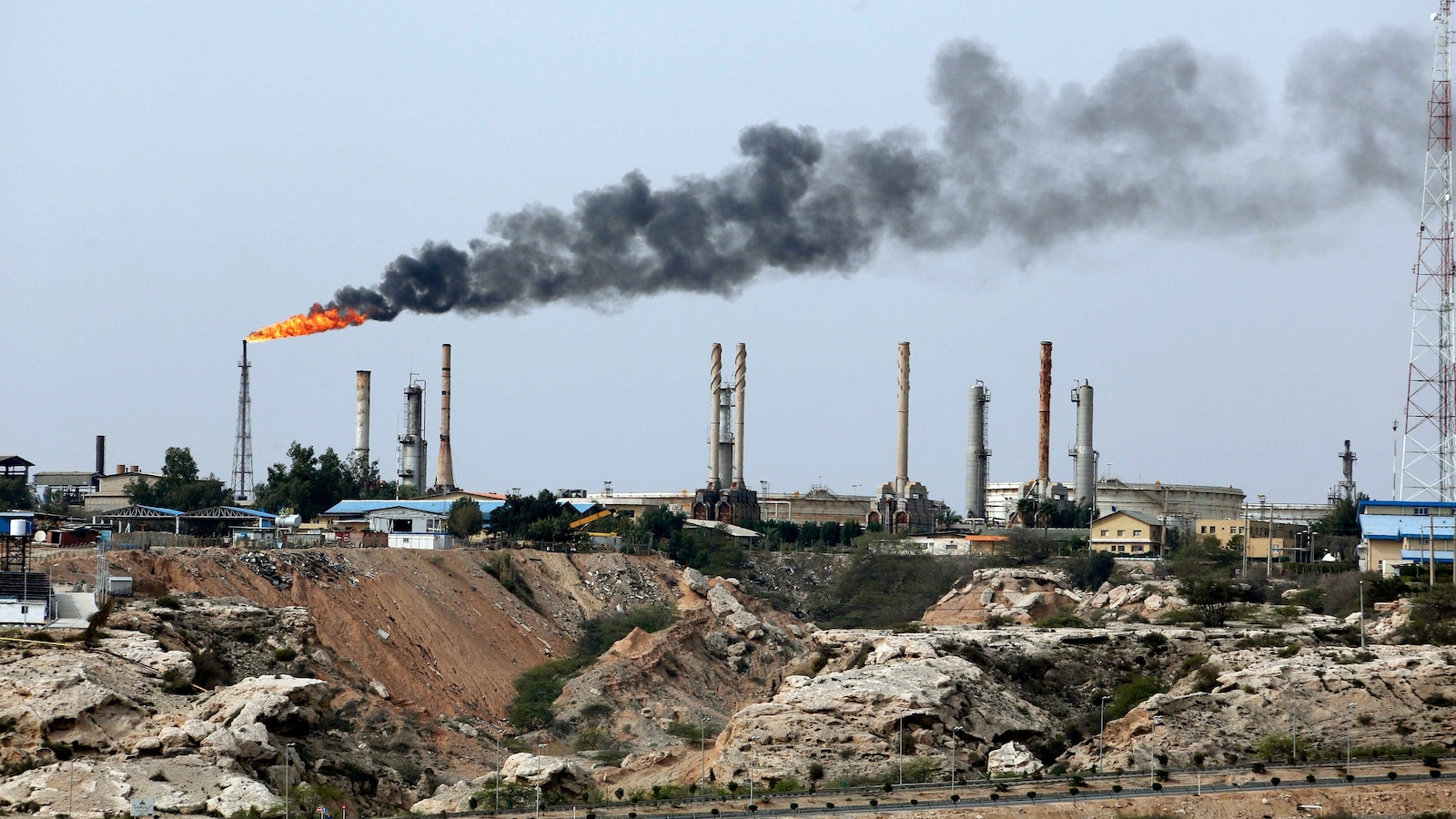
Located roughly 300 miles from the Strait of Hormuz in the Persian Gulf, off Iran’s southwestern coast, Kharg Island might seem unremarkable at first glance. This small coral land mass spans just 7.7 square miles, yet its strategic importance far exceeds its modest physical dimensions. The island’s true value lies beneath its surrounding waters. Unlike most of Iran’s coastline, which offers limited access for large vessels, the deep waters surrounding Kharg Island create perfect conditions for oil refinery operations and the loading of massive tankers. As Hugh Daigle, a petroleum studies professor at the University of Texas at Austin, explains, the island represents one of the few locations in Iranian waters where oil tankers can safely approach the shore due to sufficient water depth. This geographical uniqueness has transformed what might otherwise be an insignificant piece of land into one of the most strategically important energy hubs in the world. On any typical day, Kharg Island processes between 1.5 million and 2 million barrels of oil for export. However, in the weeks leading up to the current crisis, that output had surged dramatically to nearly 4 million barrels per day, according to energy industry data firm Kpler, highlighting the island’s growing importance to Iran’s economy and global energy markets.
The Island’s Role in Global Energy Networks
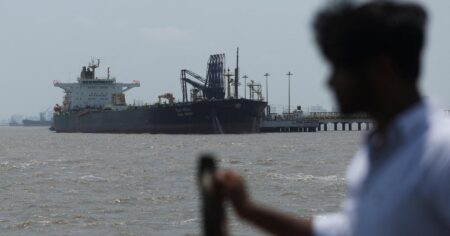
Understanding Kharg Island’s significance requires looking at the bigger picture of global oil flows. Once tankers are loaded at Kharg Island’s facilities, they embark on a carefully choreographed journey, carrying their precious cargo through the Strait of Hormuz and onward to destinations around the world, with China being the primary recipient of Iranian crude. To put this in perspective, approximately 20 million barrels of oil passed through the Strait of Hormuz daily during 2024, according to the U.S. Energy Information Administration. This means that on any given day, the oil departing from Kharg Island alone could account for up to 10% of all petroleum transported through this critical chokepoint. Nicholas Mulder, a Cornell University professor who specializes in studying the economic consequences of war, emphasizes that Kharg Island has long served as a major hub for Iranian oil exports, functioning as an irreplaceable link in the chain connecting Middle Eastern oil fields to global markets. The island’s operations don’t just matter to Iran—they have ripple effects throughout the entire international energy system, influencing prices at gas pumps from California to Tokyo.
Economic Implications for Iran and the World
The stakes surrounding Kharg Island couldn’t be higher, both for Iran and for the global economy. Iran’s government relies heavily on oil revenues to fund its operations and maintain economic stability, making the island’s facilities absolutely crucial to the nation’s financial health. Since the outbreak of hostilities on February 28, Iran has managed to transport at least 11.7 million barrels of oil through the Strait of Hormuz, according to data from TankerTrackers.com reported by CNBC. However, the broader picture is concerning: overall shipments through the strait have nearly ground to a halt, according to Faithe Birol, executive director of the International Energy Agency. This supply disruption has already sent shockwaves through global markets, with crude oil prices breaking through the $100 per barrel barrier despite the IEA’s announcement of its largest-ever coordinated release of reserve oil by its 32 member countries. American consumers are feeling the pain directly at the pump, with gasoline prices jumping from $2.94 per gallon a month ago to $3.59 per gallon, according to AAA data. This 22% increase in just one month demonstrates how quickly Middle Eastern tensions can translate into real-world costs for ordinary people going about their daily lives.
The Dilemma of Targeting Critical Infrastructure
Analysts and policymakers face a troubling calculus when considering Kharg Island’s future in this conflict. On one hand, disrupting the island’s operations—whether through direct military action or as collateral damage from the wider war—could deliver a devastating blow to Iran’s economy by cutting off a primary source of government revenue. Mark Katz, a professor emeritus of foreign policy at George Mason University, notes that the island is “obviously very vulnerable” and taking it offline “would affect Iran’s income very strongly.” However, this potential strategic advantage comes with serious complications and costs. Any attack on Kharg Island would constitute an assault on civilian infrastructure, raising ethical and legal concerns about the conduct of war. More pragmatically, shutting down these facilities would dramatically worsen the already-severe global oil shortage, driving prices even higher and threatening the economic stability of nations worldwide. As Katz cautions, such action “would mean a great decline in the availability of oil and a rise in oil prices for everyone.” This creates a genuine dilemma: the very action that could most effectively pressure Iran economically would simultaneously inflict significant harm on the global economy, potentially turning international opinion against those who initiated such a strike and causing economic pain for allies and adversaries alike.
Looking Ahead: Uncertain Times for Global Energy
The situation surrounding Kharg Island encapsulates the complexity of modern geopolitical conflicts, where military, economic, and humanitarian considerations intersect in ways that defy simple solutions. As this crisis unfolds, the world watches nervously, understanding that decisions made about this small island in the Persian Gulf could have profound consequences felt in communities thousands of miles away. The surge in oil prices we’re already experiencing may be just the beginning if the conflict escalates further or if Kharg Island’s facilities suffer disruption. Energy security experts, government officials, and ordinary citizens hoping for relief at the gas pump all share a common concern about what comes next. The interconnected nature of modern global energy systems means that what happens at Kharg Island doesn’t stay at Kharg Island—it ripples outward, affecting everything from transportation costs to manufacturing expenses to household budgets. As diplomatic efforts continue to seek resolution to the broader U.S.-Israeli-Iranian conflict, the fate of this strategically vital installation remains uncertain. What is certain, however, is that Kharg Island will continue to play an outsized role in shaping both the course of the conflict and the health of the global economy in the months ahead. For now, the world can only watch, wait, and prepare for whatever consequences may flow from this small but critically important piece of land in the Persian Gulf.