


Tragedy on Tennessee Roads: NTSB Investigates Fatal School Bus Crash
A Community Devastated by Unexpected Loss
The quiet roads of Carroll County, Tennessee, became the scene of an unimaginable tragedy last Friday when a school bus carrying middle school students collided with other vehicles, claiming the lives of two young students and leaving a community reeling. The National Transportation Safety Board has stepped in to conduct a comprehensive investigation into the crash, working alongside the Tennessee Highway Patrol to understand what went wrong on what should have been an ordinary school trip. The incident has sent shockwaves through the Clarksville-Montgomery County School System and beyond, reminding everyone of the precious cargo that school buses carry every day and the trust parents place in these vehicles to transport their children safely.
The crash involved three vehicles: a school bus from Montgomery County carrying students from Kenwood Middle School, a Tennessee Department of Transportation dump truck, and a Chevrolet Trailblazer. According to dash cam footage from the scene, the bus initially collided with the dump truck, though preliminary information suggests the truck may not have been at fault. Tennessee Highway Patrol Major Travis Plotzer addressed the media shortly after the incident, explaining that while the investigation was still in its early stages, there appeared to be no contributing factors from the dump truck’s involvement. The complexity of the crash scene and the number of vehicles and passengers involved has made this investigation particularly challenging for authorities working to piece together exactly what happened in those critical moments.
The Investigation Ahead: A Long Road to Answers
The NTSB’s decision to launch a full safety investigation signals the seriousness of this incident and the agency’s commitment to preventing similar tragedies in the future. Their investigation will focus on three critical areas: the school bus driver’s performance leading up to and during the crash, the occupant protection measures in place for student passengers, and the overall oversight of school transportation operations. This comprehensive approach aims to examine not just what happened in the moment of impact, but also the systems and procedures that were supposed to keep these children safe. The agency has warned that such investigations are thorough and time-consuming, typically taking between one and two years to complete, though a preliminary report might be available in approximately 30 days.
For the families affected and the community waiting for answers, this timeline may seem frustratingly slow, but the meticulous nature of NTSB investigations is designed to uncover every possible factor that could have contributed to the crash. The Tennessee Highway Patrol continues its own parallel investigation, with teams working to gather witness statements from those who saw the crash or its immediate aftermath, collecting physical evidence from the scene, obtaining digital information from the vehicles involved, and reconstructing the crash to understand the sequence of events. This painstaking work involves analyzing skid marks, vehicle damage, road conditions, and countless other details that can help investigators understand not just what happened, but why it happened.
The Human Cost: Lives Changed Forever
Two young students lost their lives at the scene of the crash, their identities not yet released to the public as authorities work with their families during this devastating time. These weren’t just statistics or names in a news report—they were eighth graders with dreams, friendships, and families who sent them off that morning expecting them to return home with stories about their competition. The students and educators aboard the bus were traveling to Jackson, Tennessee, for a weekend competition, what should have been an exciting opportunity for these middle schoolers to represent their school and test their skills. Instead, that journey ended in tragedy, forever altering the lives of everyone on board and their loved ones waiting at home.
The crash left numerous other victims requiring immediate medical attention, with the severity of injuries necessitating both air and ground transportation to hospitals. Multiple victims were airlifted to trauma centers in major cities including Memphis and Nashville, while ground ambulances transported others to nearby local hospitals. As of Monday, several days after the crash, multiple people remained hospitalized, their conditions not publicly disclosed. The bus had been carrying 24 students, four adults, and a driver—29 people whose lives were changed in an instant. For those who survived, the physical injuries are only part of the trauma; the psychological impact of experiencing such a terrifying event and potentially losing classmates will require ongoing support and counseling.
A School Community in Mourning
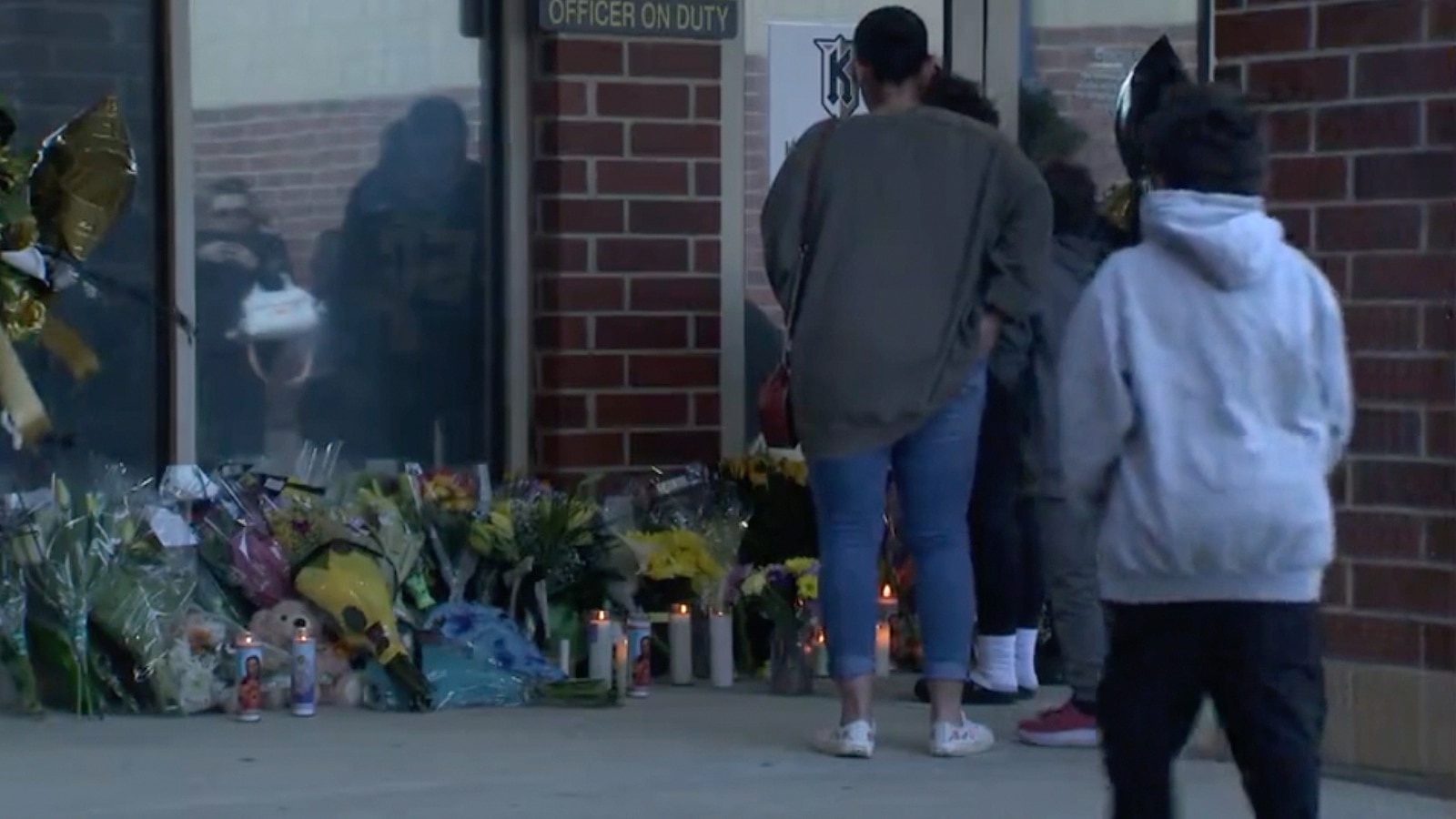
Clarksville-Montgomery County School System Director Jean Luna-Vedder addressed her school community with words that captured the heartbreak felt by educators, parents, and students throughout the district. “In a moment, their lives and their families’ lives were upended,” she wrote in a message over the weekend, speaking both as an education leader and as a mother who understands the deep fear that this incident has awakened in parents everywhere. Her words reflected the dual nature of the tragedy—the immediate horror of what happened and the long-lasting implications for survivors, families, and the entire Kenwood Middle School community. She acknowledged that as someone who has dedicated her life to education and as a parent herself, she couldn’t begin to imagine the fear those students experienced or the pain their families continue to endure.
Luna-Vedder’s call to the community to “pray and wrap their arms around these students, employees, their families, and the entire Kenwood community” speaks to the way schools function not just as educational institutions but as extended families. When tragedy strikes, these communities must come together to support one another through grief and recovery. Kenwood Middle School will likely implement additional counseling services, memorial activities, and support systems for students struggling to process this loss. Teachers and staff, many of whom formed close bonds with the students involved, will need support as well as they manage their own grief while trying to provide stability for their remaining students. The ripples of this tragedy extend far beyond the immediate victims—classmates who weren’t on the bus, younger siblings at other schools, and parents throughout the district now grappling with anxiety about school transportation safety.
Moving Forward: Questions About School Bus Safety
This tragic incident raises important questions about school bus safety protocols and oversight that the NTSB investigation will hopefully address. School buses are generally considered one of the safest forms of transportation for children, with strict regulations governing everything from vehicle construction to driver qualifications. However, when crashes do occur, they can have devastating consequences, particularly because most school buses don’t have seat belts for passengers—a longstanding debate in transportation safety circles. The NTSB’s focus on “student passenger occupant protection” suggests they’ll be examining whether different safety measures might have changed the outcome in this case.
The investigation’s examination of “oversight of school transportation operations” will look at the broader systems in place to ensure school buses are properly maintained, drivers are adequately trained and monitored, and routes are planned with safety as the top priority. For parents throughout Tennessee and across the nation, this crash serves as a sobering reminder that they’re entrusting their most precious loved ones to these systems every school day. As the investigation unfolds over the coming months and years, the findings could potentially lead to recommendations for improved safety standards, changed regulations, or enhanced training requirements that might prevent future tragedies. While nothing can bring back the two young lives lost or undo the trauma experienced by survivors, if this investigation leads to meaningful safety improvements, it could honor their memory by protecting future students.
The road ahead will be long for everyone affected by this crash—the families grieving their children, the survivors healing from physical and emotional wounds, the school community processing collective trauma, and the investigators working to understand what went wrong. As the Tennessee community rallies around those affected and the nation watches, this tragedy underscores both the fragility of life and the resilience of communities that come together in the face of unspeakable loss.