


Tragic Incident at Denver International Airport: Pedestrian Struck by Frontier Airlines Plane
What Happened on That Friday Night
In a shocking and unusual incident that unfolded late Friday night at Denver International Airport, a person described as a pedestrian was struck by a Frontier Airlines aircraft that was in the process of taking off. The plane, identified as Frontier Flight 4345, was preparing for departure to Los Angeles International Airport when the unthinkable occurred. According to official statements released by the airport, the incident took place just after 11:15 p.m. on one of the airport’s active runways. The collision happened during what should have been a routine takeoff procedure, transforming an ordinary evening flight into an emergency situation that would ground the aircraft and leave hundreds of passengers stranded. As of the initial reports, authorities had not released any information regarding the condition or identity of the person who was struck by the plane, leaving many questions unanswered about this perplexing accident. The mystery of why someone would be on an active runway during aircraft operations has left investigators with a complex puzzle to solve, and the circumstances surrounding the pedestrian’s presence in such a dangerous location remain unclear.
The Emergency Response and Passenger Evacuation
Once the collision occurred, the situation quickly escalated into a full-scale emergency response. Pilots aboard the Frontier aircraft made the immediate decision to abort the takeoff after reports of smoke began circulating through the cabin, which understandably caused concern among crew members and passengers alike. The flight crew acted swiftly and professionally, bringing the Airbus A321 to a complete stop on the runway and initiating emergency evacuation procedures. All passengers were evacuated from the aircraft using emergency slides, a precautionary measure taken to ensure everyone’s safety given the reports of smoke and the unknown extent of any potential damage to the plane. Remarkably, despite the dramatic nature of the evacuation and the serious incident that prompted it, airport officials confirmed that none of the 224 passengers or seven crew members aboard the aircraft sustained any injuries during the evacuation process. The Denver Fire Department responded promptly to the scene and managed to extinguish what was described as a brief engine fire, though the exact cause of this fire and whether it was directly related to the collision with the pedestrian has not yet been determined. Following the safe evacuation of all passengers, emergency crews transported everyone back to the airport terminal via buses, where they would await further instructions about their disrupted travel plans.
The Aircraft and Flight Details
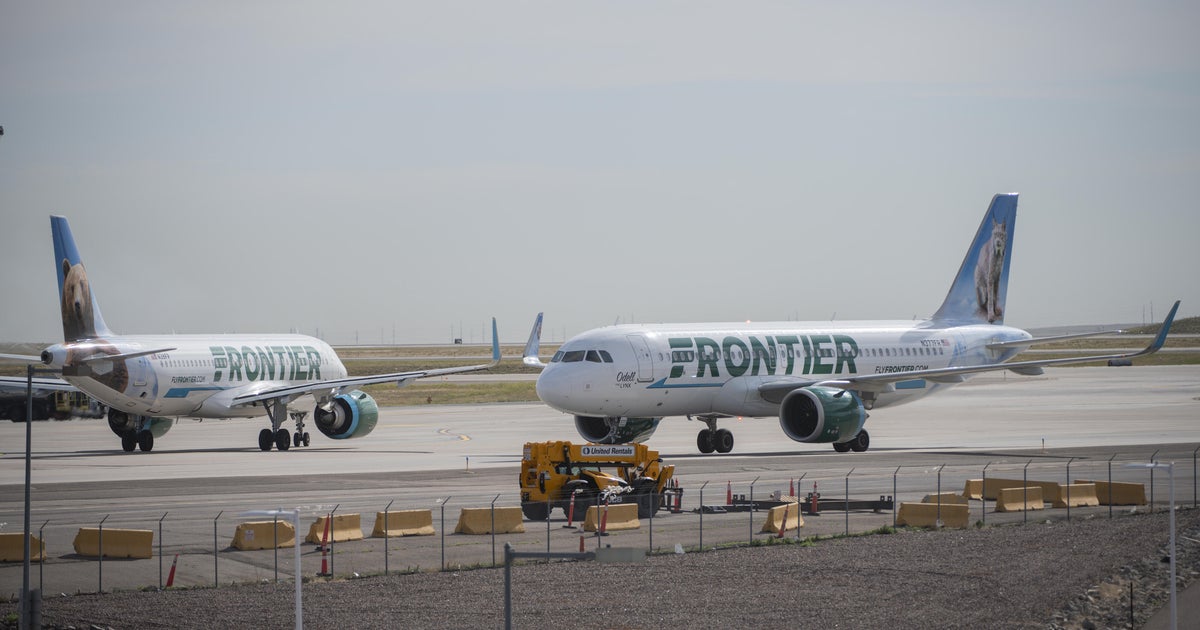
The aircraft involved in this troubling incident was a Frontier Airlines Airbus A321, a popular single-aisle commercial aircraft commonly used for domestic flights across the United States. With 224 passengers and seven crew members on board, the plane was carrying a significant number of travelers who were expecting a routine red-eye flight to Los Angeles. The flight, designated as Frontier Flight 4345, had been scheduled to travel from Denver International Airport to Los Angeles International Airport, a common route that typically operates without incident. The large passenger capacity of the flight meant that the disruption affected hundreds of travelers, many of whom likely had connections to make or important appointments in Los Angeles. CBS News Los Angeles reported that the airline worked to reschedule the disrupted flight, with passengers being informed that they could expect to depart later on Saturday morning. This rescheduling represented a significant delay for travelers, turning what should have been a late-night arrival in Los Angeles into a journey that would extend well into the following day. The airline’s customer service teams undoubtedly faced a challenging night as they worked to accommodate the needs of over two hundred stranded passengers while also dealing with the aftermath of this unprecedented incident.
The Investigation Begins
In the wake of this unusual and serious incident, multiple agencies have launched investigations to determine exactly what happened and why. Frontier Airlines announced that it would be conducting its own internal investigation into the collision with the pedestrian, working alongside Denver International Airport officials to piece together the sequence of events. The complexity of the situation means that investigators will need to examine multiple aspects of the incident, including how and why a pedestrian came to be on an active runway, what security protocols may have failed, and what the relationship is between the collision and the subsequent engine fire that was reported. The National Transportation Safety Board (NTSB), the federal agency responsible for investigating civil aviation accidents in the United States, has also been officially notified of the incident. This notification means that the NTSB will likely play a role in the investigation, bringing federal expertise and resources to help determine the cause of this accident. As part of the ongoing investigation, Runway 17L, where the collision with the pedestrian occurred, has been closed and will remain unavailable for aircraft operations until investigators have completed their work. This runway closure represents a significant operational challenge for Denver International Airport, one of the busiest airports in the United States, potentially affecting numerous other flights and causing ripple effects throughout the aviation system.
The Unanswered Questions
As with many breaking news situations, this incident has left numerous critical questions unanswered, frustrating both investigators and the public who are trying to understand what happened. Perhaps the most pressing question is how a pedestrian came to be on an active runway at a major international airport in the first place. Modern airports employ extensive security measures, including fencing, surveillance systems, and regular patrols, specifically designed to prevent unauthorized access to operational areas like runways. The presence of a person on foot in such a dangerous location suggests either a catastrophic security failure, a deliberate breach of security protocols, or some other extraordinary circumstance that has yet to be explained. Additionally, the condition and identity of the person who was struck remain unknown, with authorities not releasing any information about whether the individual survived the collision, sustained injuries, or tragically lost their life. The cause of the engine fire that prompted the evacuation also remains undetermined, and investigators will need to establish whether this fire was a direct result of the collision with the pedestrian or if it was a separate, coincidental mechanical issue. Understanding the relationship between the collision and the fire will be crucial for the investigation, as it may provide important insights into the physics of the impact and the damage sustained by the aircraft.
The Broader Implications and Airport Safety
This incident at Denver International Airport serves as a stark reminder of the numerous safety challenges and considerations that come with operating a major transportation hub. Airports must constantly balance the need for accessibility and efficient operations with stringent security requirements designed to keep both passengers and aircraft safe. When a breach occurs that allows an unauthorized person to access an active runway, it raises serious questions about security protocols and whether existing measures are adequate to prevent such dangerous situations. For the aviation industry as a whole, this incident will likely prompt a review of runway security procedures at airports across the country, as officials seek to understand how this breach occurred and what steps can be taken to prevent similar incidents in the future. Passengers who were aboard Frontier Flight 4345 that night experienced a frightening situation that, while ultimately resulting in no passenger injuries, could have had catastrophic consequences had circumstances been even slightly different. The professional response of the flight crew and emergency personnel helped ensure that a bad situation didn’t become worse, demonstrating the value of rigorous training and emergency preparedness in the aviation industry. As the investigation continues, the aviation community will be watching closely for findings that might inform future safety procedures and security protocols. Meanwhile, the passengers who experienced this harrowing event will likely carry memories of that Friday night for years to come, grateful that despite the frightening evacuation and the serious nature of the incident, they were able to walk away unharmed and continue their journeys, even if delayed, to their intended destinations.