


A Tragic Shooting Case Reaches a Verdict: The Casey Goodson Jr. Story
The Verdict That Brought Mixed Emotions
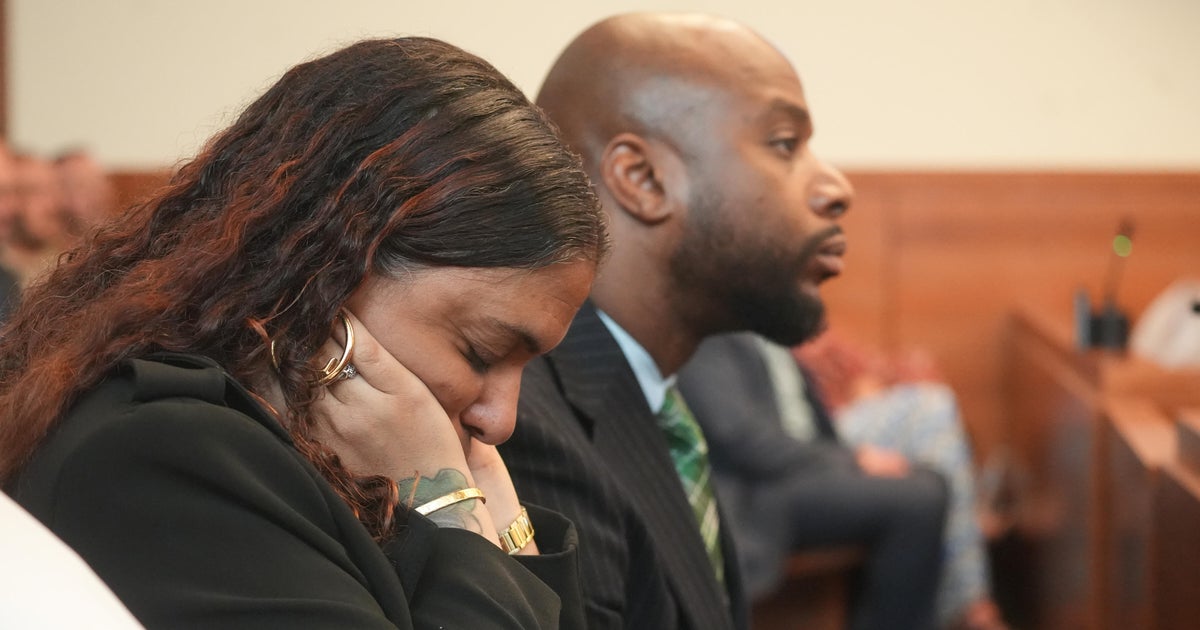
After years of waiting and two grueling trials, a former sheriff’s deputy finally faced consequences for a shooting that took the life of a young Black man in Columbus, Ohio. Jason Meade, who once wore a badge and also served as a Baptist pastor, was found guilty of reckless homicide on Thursday for killing 23-year-old Casey Goodson Jr. in December 2020. The verdict came with complicated feelings for everyone involved. While the jury convicted Meade on the lesser charge, they couldn’t reach agreement on the more serious murder charge, leading the judge to declare a mistrial on that count. For Casey’s mother, Tamala Payne, the guilty verdict brought a bittersweet sense of closure after six long years of seeking justice for her son. “I’m happy, I’m sad and I’m everywhere,” she told reporters, her words capturing the complex emotions that come with seeing someone held accountable, even if not fully, for taking her child’s life. She had previously described her son’s death as being “murdered in cold blood,” and while the reckless homicide conviction wasn’t everything she hoped for, she acknowledged that having Meade “convicted of something is still a great feeling.”
What Really Happened That December Day
The facts of what happened on that fateful day in December 2020 remain disputed, but one thing is certain: Casey Goodson Jr. was simply trying to bring lunch to his grandmother. According to his family and prosecutors, Casey was carrying a bag of Subway sandwiches in one hand and his keys in the other, listening to music through his earbuds as he approached his grandmother’s house. He was licensed to carry a firearm and had one with him that day, but the evidence strongly suggests it wasn’t in his hands when the shooting occurred. Jason Meade told a different story. The former deputy, who was White, claimed he was justified in shooting Casey five times in the back and once in the side because he saw the young man holding a gun and turning toward him in the doorway. Meade testified in his first trial that he had pursued Goodson after the man allegedly waved a gun at him as they passed each other in their vehicles. However, the prosecution painted a very different picture. They argued that Casey’s gun was in a flimsy holder under his belt, not in his hands. When his body was found on his grandmother’s kitchen floor, the gun was underneath him with its safety mechanism still engaged—suggesting it had never been drawn or prepared to fire.
The Critical Detail: No Independent Witnesses to Meade’s Version
Perhaps the most damning aspect of this case was the absence of corroboration for Meade’s account. No one else testified that they saw Casey Goodson holding a gun. No cameras captured the shooting. The only person who claimed to see Casey as a threat was the man who pulled the trigger. Christopher Corne, a driver who happened to be nearby that day, testified for the prosecution at both trials. He described seeing Goodson shortly before the shooting, appearing to be dancing and singing in his truck—the picture of someone enjoying their day, not someone preparing for a confrontation. Crucially, Corne testified that he did not see a gun in Goodson’s hand. Columbus Police Officer Samuel Rippey did testify during the second trial that while administering emergency treatment to Casey, he saw a gun with an extended magazine lying on the floor. However, this observation came after the shooting and doesn’t address the critical question of whether Casey was holding or threatening anyone with the weapon. The prosecution emphasized this point throughout both trials: if Casey had been holding his gun and posed an imminent threat, why didn’t anyone else see it? Why was the safety still engaged? Why was it found under his body rather than near his outstretched hands?
Two Trials and the Long Road to Justice
This guilty verdict came only after an exhausting legal journey that spanned six years and two complete trials. The first trial, held two years ago, ended in a mistrial when jurors couldn’t reach a unanimous decision. For Casey’s family, this meant reliving the trauma of his death all over again in a second trial. Interestingly, Jason Meade testified in his first trial but chose not to take the stand during the second trial—a strategic decision by his defense team that left his previous testimony and written accounts to speak for him. His attorney argued that the shooting was justified based on these earlier statements. The difference between the charges Meade faced is significant and helps explain the mixed feelings about the outcome. Under Ohio law, murder requires proving that someone purposefully caused a death, while reckless homicide means the defendant acted recklessly in causing a death. The punishment differs dramatically too: murder can result in life in prison, while reckless homicide carries a maximum sentence of just five years. Judge David Young scheduled Meade’s sentencing for July 16, and it remains to be seen what sentence he will ultimately receive within that five-year maximum.
A Community’s Call for Justice
The killing of Casey Goodson Jr. didn’t happen in isolation—it occurred during a period of heightened national awareness about police violence against Black Americans following George Floyd’s murder by a Minneapolis police officer in May 2020. Columbus residents responded with outrage and sustained demands for justice. Banners appeared on highway overpasses throughout the city with messages like “Justice for Casey Goodson Jr.” and “Convict Murderer Meade.” These displays became so prominent during the trial that the judge ordered them taken down, though their message had already resonated throughout the community. Sean Walton, the attorney representing the Payne family, told reporters that the jury numbers tell a powerful story: “Knowing that in the first trial, nine jurors wanted to convict him of murder, and this trial, 10 jurors wanted to convict him of murder, there’s an overwhelming number of folks who hear this case and they understand that this was murder.” This perspective suggests that while the legal system couldn’t produce a unanimous murder conviction, the weight of public opinion—at least among those who heard all the evidence—leaned heavily toward viewing Meade’s actions as more than just reckless. The prosecutors said they were pleased with the guilty verdict on the reckless homicide charge but haven’t yet decided whether to pursue a third trial on the murder charge. Casey’s mother said she would like to see that happen, indicating the family’s continued pursuit of what they see as full accountability.
The Bigger Picture and What Comes Next
Jason Meade’s conviction makes him only the second White law enforcement officer to be convicted in the killing of a Black man in Ohio since George Floyd’s death sparked nationwide protests and calls for police reform. The first was Columbus police officer Adam Coy, who was convicted of murder in the 2020 killing of Andre Hill. These rare convictions highlight both progress and the continuing challenges in holding police accountable when they use deadly force. Meade, now 47, had retired from the Franklin County Sheriff’s Department in 2021—presumably while the legal process was unfolding. His dual identity as both a former law enforcement officer and a Baptist pastor adds layers of complexity to how people view this case. The defense attorneys chose not to address the media after the verdict, while Brian Steel, president and CEO of the Fraternal Order of Police Capital City Lodge #9, expressed disappointment with the decision while saying he respects the jury’s verdict. Steel also voiced hope that prosecutors wouldn’t pursue a third trial on the murder charge, calling the six-year process drawn out and expressing concern for both the Meade and Goodson families, as well as the community. As the July sentencing date approaches, Casey Goodson Jr.’s family continues to grieve a young man whose life was cut short while doing something as ordinary as bringing sandwiches to his grandmother. The conviction, while not everything they hoped for, represents a measure of accountability that remains all too rare in cases involving police shootings of Black Americans. Whether prosecutors will seek a third trial on the murder charge remains to be seen, but for now, the family has at least one answer to their years-long quest for justice.