

A Survivor’s Perspective: Understanding Hantavirus Through Personal Experience
The Painful Memories That Never Fade
For Gilbert Zermeño, a photojournalist based in Arizona, the recent news about a hantavirus outbreak has reopened wounds that never fully healed. Twenty-four years have passed since he contracted the rare and potentially deadly illness, but the emotional scars remain as raw as ever. In a candid interview with CBS News’ “The Daily Report,” Zermeño shared that hearing about new cases immediately transported him back to one of the darkest periods of his life. His connection to hantavirus is particularly tragic – he contracted the disease while mourning the loss of both his mother and sister, who had also fallen victim to the same illness. “It takes you back, and it’s no less painful now than it was back then,” Zermeño admitted with visible emotion. His honesty about the ongoing psychological impact demonstrates that surviving a serious illness isn’t just about physical recovery; it’s about carrying those experiences forward and learning to live with memories that never quite lose their sting. For anyone who has survived hantavirus or watched loved ones battle the disease, each new outbreak serves as a painful reminder of their own vulnerability and loss.
A Family Tragedy That Changed Everything
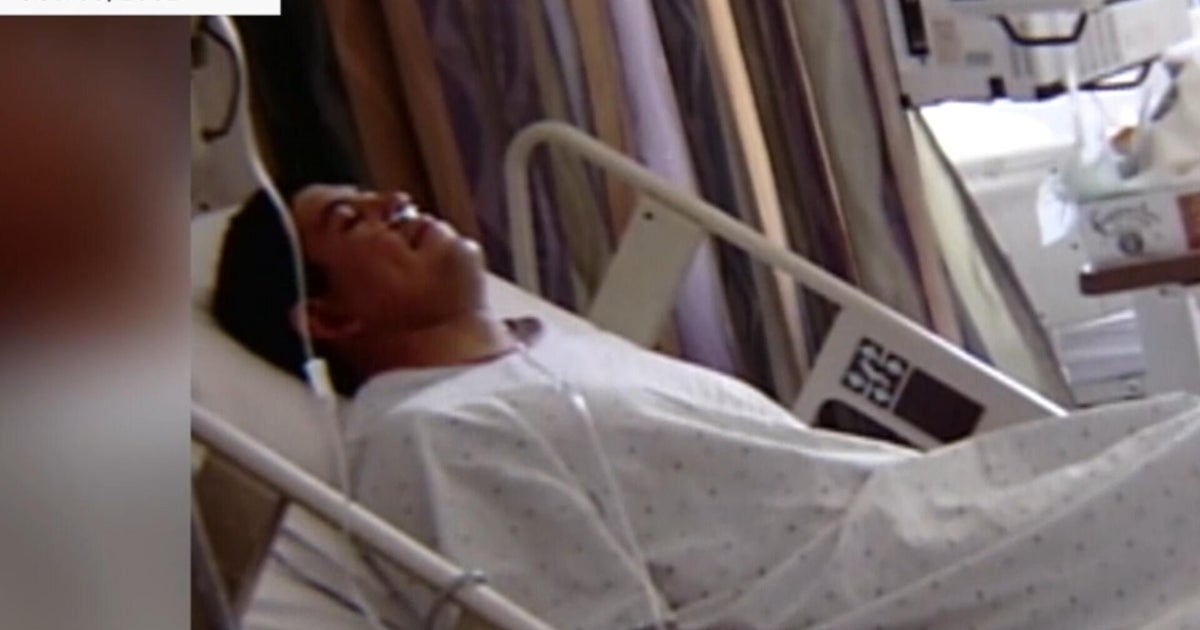
The year 2002 marked a devastating chapter in Zermeño’s life that would forever alter his understanding of health, loss, and the invisible dangers that can lurk in everyday environments. After losing both his mother and sister to what was initially misdiagnosed as sepsis, Zermeño traveled to the family home in Texas to handle the painful task of cleaning out their belongings and preparing the house. It was during this process, while dealing with the physical remnants of his family members’ lives, that he unknowingly exposed himself to rodent droppings contaminated with the hantavirus. Within days of this exposure, Zermeño fell seriously ill and found himself hospitalized in Phoenix, fighting for his own life while still processing the grief of losing two of his closest family members. The tragic irony wasn’t lost on him – while mourning his mother and sister, he had contracted the very illness that had taken them from him. His case highlighted a cruel aspect of hantavirus transmission: family members cleaning up after deceased relatives can inadvertently expose themselves to the same environmental hazards. The experience of spending several days in a hospital bed, uncertain of his survival, while grappling with fresh grief created a complex trauma that continues to affect him more than two decades later.
The Current Outbreak and Global Response
Health authorities worldwide are currently monitoring a concerning hantavirus outbreak connected to a Dutch-flagged cruise ship, which has resulted in nine confirmed or suspected cases and tragically claimed three lives. This maritime outbreak has captured international attention and raised questions about disease transmission in confined environments like cruise ships. Ann Lindstrand, a representative from the World Health Organization stationed in Cape Verde, moved quickly to reassure the public during a Tuesday briefing with CBS News, emphasizing that despite the serious nature of individual cases, hantavirus does not pose a pandemic-level threat. The key reason for this relatively reassuring assessment lies in the virus’s transmission characteristics – unlike highly contagious diseases such as COVID-19 or influenza, hantavirus has an extremely low likelihood of spreading from person to person. Dr. Jay Bhattacharya, serving as acting director for the U.S. Centers for Disease Control and Prevention, reinforced this message in a Wednesday statement, providing clear and specific information designed to prevent unnecessary panic. He explained that hantavirus is not transmitted by asymptomatic individuals, requires close contact for transmission to occur, and presents a very low risk to the American public overall. These official reassurances from leading health organizations reflect the medical community’s understanding of hantavirus as a serious but contained threat rather than a widespread public health emergency.
Combating Misinformation in the Age of Viral Panic
Having lived through his own hantavirus nightmare and witnessed the COVID-19 pandemic’s impact on public psychology, Zermeño has developed a unique perspective on how people respond to news of viral outbreaks. He’s observed with concern how online misinformation about hantavirus has created unnecessary panic among some segments of the public, largely because the word “virus” itself has become laden with anxiety in our post-pandemic world. Drawing on his personal experience and the years he’s spent processing what happened to him and his family, Zermeño has taken it upon himself to serve as an informal educator and voice of reason. “I’m here to just tell people, look, you need to do some research on this because it’s not as scary as COVID-19 was,” he explained, striking a balance between acknowledging the seriousness of hantavirus while putting its threat level in proper context. His message isn’t that hantavirus should be dismissed or ignored – after all, he lost two family members to it and nearly died himself – but rather that understanding the actual transmission methods and risk factors can help people respond appropriately rather than panic. The distinction he makes is crucial: unlike COVID-19, which spread rapidly through communities via respiratory droplets and could be transmitted by people before they even knew they were sick, hantavirus operates very differently. It primarily spreads through exposure to rodent droppings, urine, or saliva, typically in enclosed spaces where these materials have become aerosolized. Person-to-person transmission, while theoretically possible in extremely rare circumstances, is so unlikely that it shouldn’t drive public health concerns in the way that airborne viruses do.
The Challenge of Rare Disease Diagnosis
Zermeño’s experience with hantavirus also illuminated significant challenges within the healthcare system when dealing with rare diseases. His mother and sister were initially misdiagnosed, with doctors attributing their deaths to sepsis rather than identifying the true culprit. This diagnostic error isn’t entirely surprising given hantavirus’s rarity – many healthcare providers may go their entire careers without encountering a single case. When Zermeño himself fell ill, the uncommon nature of the disease complicated both his diagnosis and treatment protocol. Medical professionals, even skilled and experienced ones, naturally think of common conditions first, following the medical axiom that “when you hear hoofbeats, think horses, not zebras.” Hantavirus is definitely a zebra in this analogy – an unusual diagnosis that requires specific knowledge and a high index of suspicion. Fortunately for Zermeño, he had family members working in the medical field who were able to advocate for him and help push for the correct diagnosis. This support system proved crucial in ensuring he received appropriate care quickly enough to survive. His story underscores an important reality about rare diseases: having knowledgeable advocates and being willing to question initial diagnoses can literally mean the difference between life and death. It also highlights the need for better education among healthcare providers about recognizing rare but serious illnesses, particularly in regions or situations where exposure might be more likely.
Practical Advice From Someone Who Survived
Today, Zermeño uses his platform and his painful personal history to provide practical, grounded advice to people concerned about hantavirus. His recommendations come from a place of genuine authority – he’s not a distant expert citing statistics but someone who has lived through the worst-case scenario and emerged on the other side. His primary message is straightforward but important: “Listen to your medical professionals and have a plan in the event that you do feel that you were exposed to the hantavirus or to someone who had hantavirus.” This advice emphasizes preparedness and proper medical consultation rather than panic or dismissiveness. He’s particularly emphatic about dispelling fears of widespread person-to-person transmission, stating clearly that “the likelihood of you catching it from a person-to-person is minuscule.” This reassurance is vital in preventing the kind of social isolation and fear that affected many people during the COVID-19 pandemic. For Zermeño, the key to appropriate hantavirus response lies in understanding genuine risk factors – primarily exposure to rodent-contaminated environments – and taking reasonable precautions when such exposure might occur. This means using proper protective equipment when cleaning areas where rodents have been present, ensuring adequate ventilation, properly disposing of rodent droppings and nests, and seeking immediate medical attention if symptoms develop after potential exposure. His message balances respect for the virus’s potential danger with realistic assessment of actual transmission risks, encouraging informed caution rather than either panic or complacency. Two decades after his ordeal, Zermeño has transformed his trauma into purpose, helping others navigate their fears with the wisdom that only comes from having faced death and survived to tell the story.