



The Pentagon’s Release of Apollo Mission UFO Encounters: A Deep Dive into Space’s Unexplained Mysteries
Historic Space Missions Meet Modern Transparency
In a remarkable disclosure that bridges the golden age of space exploration with today’s growing interest in unexplained phenomena, the Pentagon has released over a century’s worth of declassified documents revealing that NASA astronauts from the Apollo missions encountered mysterious objects during their historic journeys to the moon. These revelations, made public through a new Defense Department website dedicated to UAP (unidentified anomalous phenomena) files, offer a fascinating glimpse into experiences that astronauts witnessed but which have remained largely unknown to the public for more than fifty years. The release represents a significant step toward governmental transparency regarding unexplained sightings, not just in our skies but in the vastness of space itself. Among the most intriguing accounts are those from the Apollo 17 mission in December 1972, when the last humans to walk on the lunar surface reported seeing strange triangular formations, bright sparks resembling fireworks, and other perplexing phenomena that defied easy explanation. These weren’t fleeting glimpses or questionable observations—they were detailed reports from some of the most highly trained observers humanity has ever sent into space, men whose careers depended on accurate perception and clear communication of what they witnessed.
The Apollo 17 Triangle: Three Mysterious Dots Above the Moon
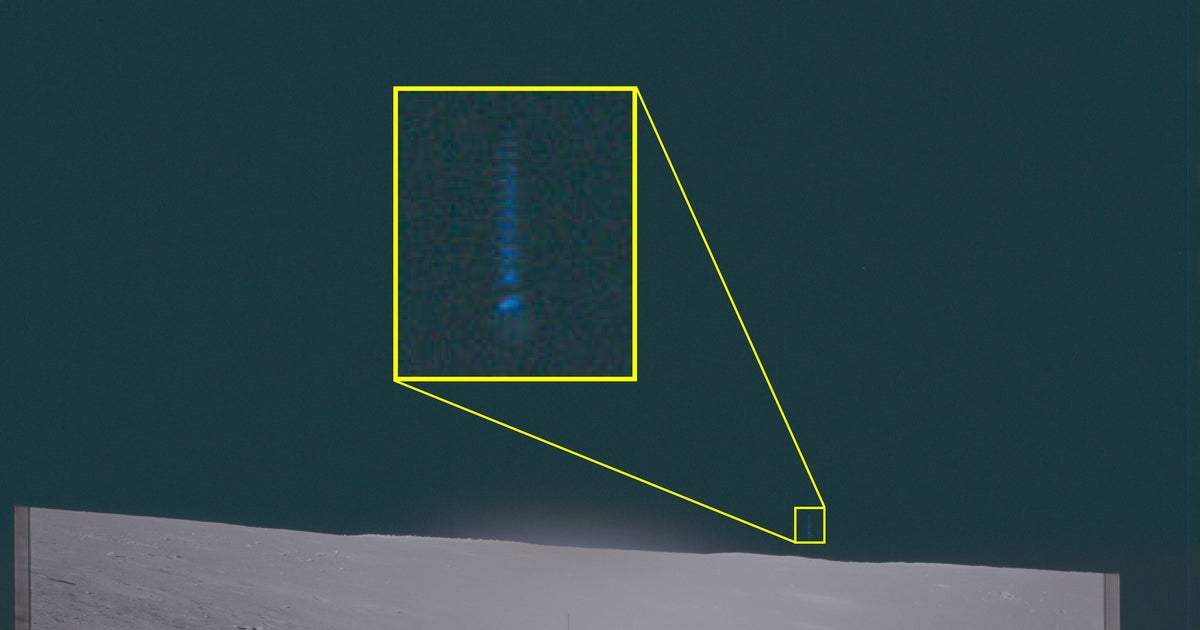
The Apollo 17 mission, humanity’s final crewed journey to the moon, provided some of the most compelling photographic evidence included in the Pentagon’s document release. A NASA photograph taken during the December 1972 mission captured three distinct “dots” arranged in a perfect triangular formation in the lower right portion of the lunar sky. What makes this image particularly significant is that these objects become “clearly visible upon magnification,” according to the Defense Department’s description, suggesting they weren’t simply artifacts of the photographic process or specks of dust on the camera lens. The Pentagon acknowledged in its caption that “there is no consensus about the nature of the anomaly,” a refreshingly honest admission that even with modern analytical techniques and decades to study the image, experts remain puzzled. However, a new preliminary analysis has suggested these might actually be physical objects rather than optical illusions or photographic anomalies, adding weight to the possibility that the Apollo 17 crew genuinely encountered something unexplained in lunar orbit. The triangular formation is particularly intriguing to researchers because similar geometric patterns have been reported in numerous UAP sightings over the decades, suggesting either a recurring phenomenon or, more speculatively, some form of deliberate arrangement.
Fireworks in Space: The Crew’s Direct Observations
Beyond the photographic evidence, the newly released transcripts from the Apollo 17 mission reveal that all three crew members reported seeing extraordinary phenomena with their own eyes. Pilot Ronald Evans described watching “a few very bright particles or fragments or something that go drifting by as we maneuver,” his cautious phrasing suggesting uncertainty about what he was actually witnessing. His crewmate, pilot Harrison Schmitt, was even more animated in his description, exclaiming that there was “a whole bunch of big ones” on his window, and that they were “just bright.” Most memorably, Schmitt compared what he was seeing to America’s Independence Day celebrations, saying “It looks like the Fourth of July out of Ron’s window.” This wasn’t the language of scientists describing expected space debris or ice crystals—these were experienced astronauts genuinely surprised by what they were observing. Mission commander Eugene Cernan had perhaps the most unsettling experience of all. He reported that the phenomena he witnessed were so striking they interfered with his ability to sleep, describing flashing lights that he compared to an “imposing” train headlight. According to the Pentagon’s analysis, “Over the next three hours, Cernan described observing several flashing, rotating phenomenon that he assessed as corresponding to physical objects in space rather than a purely optical phenomenon.” This detail is crucial—Cernan, a veteran astronaut and the last person to leave footprints on the moon, wasn’t reporting vague impressions but making a considered judgment that what he was seeing represented actual objects in space.
Apollo 11: Buzz Aldrin’s Mysterious Encounters
The Pentagon’s document release wasn’t limited to the final moon mission. Transcripts from the historic Apollo 11 mission in 1969—humanity’s first successful lunar landing—reveal that astronaut Buzz Aldrin also reported several unusual observations during that groundbreaking journey. In his crew debriefing, Aldrin recalled that “the first unusual thing that we saw I guess was one day out or something pretty close to the moon.” He described something that “had a sizeable dimension to it,” significant enough that the crew used their monocular to get a better look. This wasn’t a distant speck but something substantial enough to warrant closer examination through optical equipment. Like Cernan on the later Apollo 17 mission, Aldrin also experienced strange phenomena while trying to rest, observing what he thought were “little flashes inside the cabin, spaced a couple of minutes apart” while attempting to sleep with all the lights turned off. Perhaps most intriguingly, Aldrin reported seeing “a fairly bright light source which we tentatively ascribed to a possible laser.” This observation is particularly fascinating because it suggests the astronauts were trying to rationalize what they were seeing within the framework of known technology, yet the tentative nature of their conclusion—and the fact it was documented at all—suggests some uncertainty about that explanation. The idea that these pioneering astronauts, during humanity’s most celebrated space achievement, were also witnessing unexplained phenomena adds a layer of mystery to an already historic mission.
What This Means: Analysis and Implications
The release of these documents raises several important questions about what astronauts have experienced in space and why it has taken so long for this information to become public. The Pentagon’s decision to create a dedicated website for UAP-related files and to release these historic Apollo mission reports represents a significant shift in governmental approach to unexplained phenomena. For decades, reports of unusual sightings were often dismissed, ridiculed, or buried in classified files, but the current trend toward transparency suggests a recognition that these phenomena deserve serious scientific investigation regardless of their ultimate explanation. The fact that multiple Apollo missions reported similar phenomena—flashing lights, mysterious objects, and formations that defied easy explanation—suggests these weren’t isolated incidents or the result of individual misperception. These were highly trained astronauts, selected partly for their observational skills and ability to remain calm under extraordinary circumstances, all reporting experiences that puzzled them. Whether these objects were previously unknown natural phenomena, space debris behaving in unexpected ways, or something more exotic remains unclear, but their consistent appearance across multiple missions suggests they represent a genuine mystery worthy of investigation.
Looking Forward: More Revelations to Come
The Pentagon has indicated that the documents and videos released so far represent just the beginning, with additional materials to be made public on a rolling basis. This ongoing disclosure process suggests there may be many more revelations to come about what astronauts and military personnel have encountered both in space and in Earth’s atmosphere. The creation of a centralized, public-facing website for these files makes the information accessible to researchers, journalists, and curious citizens in an unprecedented way. For the scientific community, these documents offer an opportunity to apply modern analytical techniques to historical observations, potentially identifying natural explanations that weren’t apparent decades ago. For the public, they provide a fascinating window into the unknown elements of space exploration that have remained hidden for generations. The accounts from the Apollo missions remind us that even during humanity’s greatest achievements—landing on the moon, exploring the lunar surface, and returning safely to Earth—our astronauts encountered mysteries that we still cannot fully explain. Whether future releases will provide clarity or deepen the mystery remains to be seen, but the Pentagon’s commitment to ongoing transparency offers hope that we may finally get answers to questions that have lingered in classified files for over half a century. These revelations don’t diminish the extraordinary accomplishments of the Apollo program; instead, they add depth to our understanding of what those brave explorers experienced during their pioneering journeys into the cosmos.