


Arizona Sheriff Faces Mounting Pressure to Resign Amid Controversy Over Past Misconduct
Growing Political Opposition Against Sheriff Chris Nanos
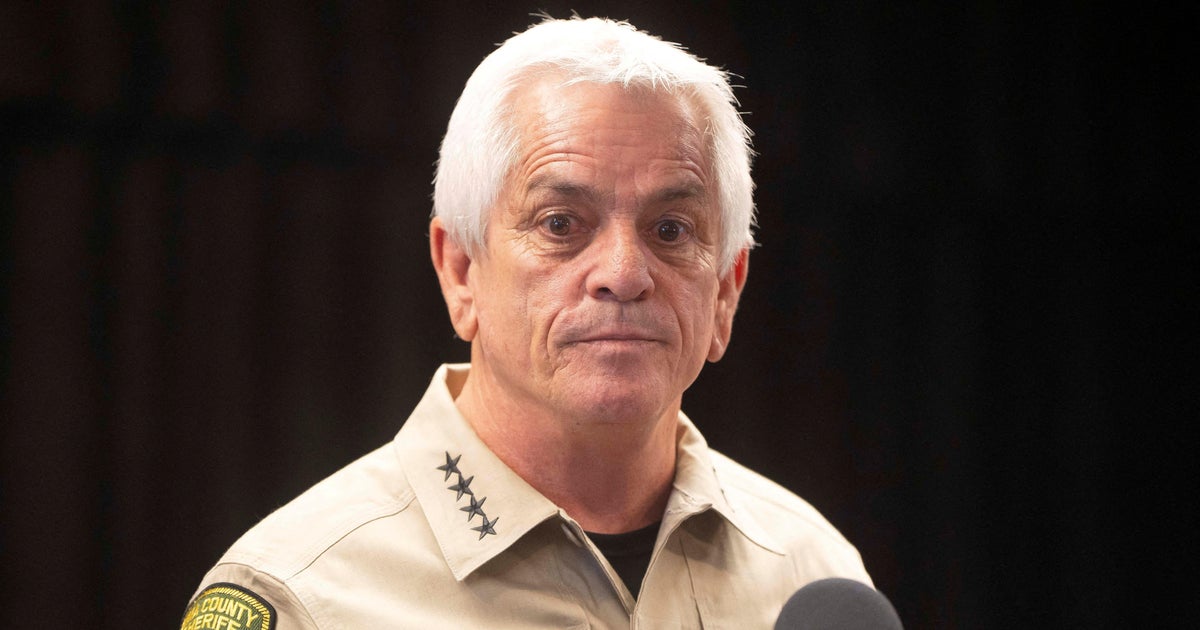
The political landscape in Pima County, Arizona, has become increasingly turbulent as local government officials are moving forward with plans to forcibly remove Sheriff Chris Nanos from his position. At least two members of the Pima County Board of Supervisors have announced their intention to file a formal motion demanding that the sheriff’s office be vacated if Nanos doesn’t voluntarily resign by Tuesday. This deadline holds particular significance as it marks exactly 100 days since Nancy Guthrie, a Tucson resident, mysteriously disappeared from her home—a case that Nanos’s department is currently leading. The timing of this political maneuver has raised questions about whether the sheriff’s handling of this high-profile missing person case is influencing the decision, though officials insist their concerns are rooted in matters entirely separate from the ongoing investigation.
The urgency behind this political push stems from serious allegations regarding Sheriff Nanos’s truthfulness during legal proceedings. County supervisors claim that Nanos committed perjury during a deposition related to an unrelated lawsuit when he allegedly denied having been suspended during his earlier career as a police officer in El Paso, Texas, before he joined the Pima County Sheriff’s Department in the 1980s. Dr. Matt Heinz, one of the supervisors spearheading the effort to remove Nanos, didn’t mince words when describing the sheriff’s past performance issues. According to Heinz, a disciplinary board in El Paso unanimously concluded that Nanos was unsuitable for police work due to a “whole host of problems,” essentially determining that he failed to meet basic professional standards and needed to be removed from law enforcement at that time.
Documented History of Disciplinary Problems
The allegations against Sheriff Nanos aren’t merely based on hearsay or political maneuvering. CBS News successfully obtained official records from the El Paso Police Department that provide concrete documentation of Nanos’s troubled history as a law enforcement officer in Texas. These records reveal a disturbing pattern of behavior, showing that Nanos was suspended multiple times during his tenure in El Paso for various alleged infractions. Among the documented violations were instances of “unnecessary violence,” which raises serious concerns about his approach to policing and use of force. Additionally, the records show he was disciplined for more mundane but still concerning issues such as chronic tardiness, suggesting a broader pattern of unprofessional conduct and failure to meet basic job expectations.
Dr. Heinz has been particularly vocal in his assessment of the situation, stating bluntly that Sheriff Nanos “has definitely lost the confidence of the community” and “embarrassed himself.” In Heinz’s view, the time has come for Nanos to step down from his position. The supervisor’s comments reflect a growing sentiment among local officials that the sheriff’s past misconduct and current alleged dishonesty have eroded public trust to the point where his continued leadership of the department is untenable. The revelation of these decades-old disciplinary issues has raised fundamental questions about the vetting process that allowed someone with such a problematic record to eventually rise to the position of county sheriff.
Sheriff’s Defense and the Misunderstanding Claim
In response to the allegations of perjury during his deposition, Sheriff Nanos’s legal team has offered an explanation that attempts to frame the issue as an honest mistake rather than deliberate dishonesty. An attorney representing Nanos issued a letter explaining that the sheriff “did not understand the question related to discipline with a different agency not governed by the Arizona Peace Officer’s Bill of Rights.” According to this defense, the confusion arose from the fact that his disciplinary issues in El Paso occurred under a different jurisdiction with different rules and regulations than those that govern Arizona law enforcement officers. The attorney’s letter further stated that upon reviewing the deposition transcript shortly after the proceedings, Sheriff Nanos recognized the misunderstanding and “promptly notified his attorney” of the discrepancy.
This explanation attempts to characterize what appears to be a false statement under oath as a communication breakdown rather than intentional deception. However, critics might find this defense less than convincing, given that the question of whether one has been suspended during their law enforcement career seems relatively straightforward, regardless of jurisdictional differences. The claim that Nanos didn’t understand he was being asked about disciplinary actions that occurred in Texas raises questions about either his comprehension during the deposition or his willingness to be forthcoming about his complete employment history. Either interpretation presents challenges for a law enforcement leader who must maintain public trust and credibility.
FBI Director’s Criticism and the Guthrie Investigation
The political controversy surrounding Sheriff Nanos has been further complicated by recent criticism from FBI Director Kash Patel regarding the handling of Nancy Guthrie’s disappearance. Patel publicly claimed during a podcast interview with Sean Hannity that the Pima County Sheriff’s Department unnecessarily delayed federal involvement in the case, stating, “For four days, we were kept out of the investigation.” This accusation from such a high-ranking federal law enforcement official added another dimension to the scrutiny facing Nanos and raised concerns about whether the department’s approach to this critical missing person case had been appropriate and effective.
The sheriff’s department quickly responded to Director Patel’s allegations by releasing a statement from Nanos on social media that disputed the FBI director’s timeline. According to Nanos’s account, a member of the FBI task force was actually present at the scene on the very night that Guthrie was first reported missing, contradicting the claim that federal investigators were excluded for four days. The statement further noted that just two days after the initial report, the Pima County Sheriff’s Department held a joint news conference with the FBI, suggesting coordination between the agencies began much earlier than Patel had indicated. This public disagreement between local and federal law enforcement officials over the handling of such a sensitive case has undoubtedly contributed to public confusion and concern about the investigation’s management.
Separating Political Issues from the Missing Person Case
Despite the timing and the heightened public attention on Sheriff Nanos due to the ongoing Guthrie investigation, Supervisor Heinz has been adamant that the effort to remove the sheriff is entirely unrelated to that case or its handling. “In no way has the Guthrie investigation ever factored into this. It really hasn’t,” Heinz stated emphatically. According to the supervisors leading the removal effort, their concerns are focused exclusively on what they view as perjury during the deposition and the broader implications of having a sheriff with a documented history of serious disciplinary problems and questionable truthfulness leading the county’s law enforcement agency.
This insistence on separating the two issues may be an attempt to prevent the removal effort from being characterized as politically motivated or as interference with an ongoing investigation. However, the reality is that the timing—with the Tuesday deadline falling exactly 100 days after Guthrie’s disappearance—creates an unavoidable connection in the public mind. Whether intentional or not, the convergence of these controversies has created a perfect storm of political and law enforcement challenges for Pima County. As Tuesday approaches, all eyes will be on whether Sheriff Nanos chooses to resign voluntarily or whether the Board of Supervisors will move forward with their unprecedented action to forcibly vacate the office. Regardless of the outcome, this situation has exposed significant questions about accountability, transparency, and leadership within the Pima County Sheriff’s Department that will likely reverberate long after this immediate crisis is resolved. The community now faces the difficult task of restoring public confidence in local law enforcement while ensuring that a critical missing person investigation continues without disruption.