


Bank of America Forecasts Extended Wait for Interest Rate Relief Until Late 2027
A Major Shift in Economic Expectations
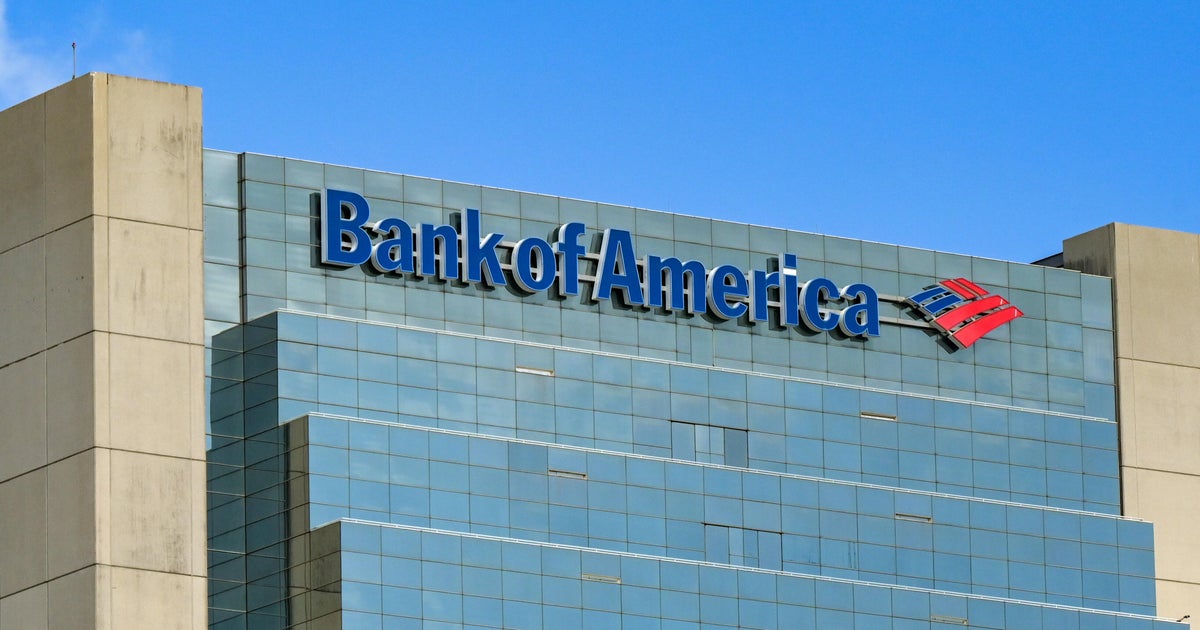
In a significant revision to their earlier predictions, Bank of America has dramatically pushed back their timeline for when Americans might see relief from high interest rates. The financial giant now expects the Federal Reserve won’t lower interest rates until sometime in the second half of 2027—a stark change from their previous forecast that anticipated two rate cuts happening this year in September and October. This pessimistic outlook stems from a perfect storm of economic factors: inflation that simply won’t budge from its elevated levels and a job market that continues to show surprising strength despite widespread concerns about economic slowdown. What makes this forecast particularly noteworthy is that Bank of America isn’t alone in this assessment—financial markets themselves are betting on the same outcome, with less than a 50% chance of any rate cuts materializing until late 2027 according to market sentiment trackers.
The original optimism about potential rate cuts this year was partly built on expectations surrounding Kevin Warsh, President Trump’s choice to replace Jerome Powell as Federal Reserve Chair. Many analysts believed Warsh would guide the Fed toward a more accommodating monetary policy with lower rates. However, the economic landscape has shifted so dramatically that even leadership changes at the Fed may not be enough to justify cutting rates anytime soon. The economists at Bank of America acknowledged in their client communication that forecasting has become exceptionally challenging given the “multiple shocks” currently rippling through the economy—from the ongoing conflict with Iran affecting global markets, to the implementation of various tariffs disrupting trade patterns, to the rapid emergence of artificial intelligence technology reshaping productivity and business operations across virtually every sector.
The Inflation Problem That Won’t Go Away
At the heart of the Federal Reserve’s hesitation to lower interest rates is the stubborn persistence of inflation well above comfortable levels. Currently sitting at 3.3%, the inflation rate remains significantly above the Fed’s target of 2% annual inflation—a goal the central bank has maintained for years as the sweet spot for a healthy, growing economy. This isn’t just a minor overshoot; it represents a 65% higher inflation rate than what policymakers consider ideal. Making matters worse, inflation isn’t trending in the right direction—it’s actually been climbing since the start of the conflict with Iran, largely due to energy prices shooting upward as geopolitical tensions disrupt global oil markets and supply chains.
The challenge for the Federal Reserve is that their primary tool for fighting inflation—keeping interest rates elevated—works directly against the desires of businesses and consumers who are struggling with high borrowing costs. When the Fed cuts interest rates, it becomes cheaper to borrow money for everything from mortgages to business expansion loans to car purchases. This typically stimulates economic growth by encouraging spending and investment. However, that same stimulus can also pour gasoline on the inflation fire, driving prices even higher as increased demand bumps up against limited supply. Bank of America’s analysis bluntly stated that “core inflation is too high, and moving up,” suggesting the problem may actually be getting worse before it gets better. Their economists believe inflation won’t begin receding to levels comfortable enough for rate cuts until the second half of 2027.
Other major financial institutions share this concern about persistent inflation. Deutsche Bank economists have similarly concluded that consumer prices will remain stubbornly above the Fed’s 2% target for at least the next year. In their analysis, they pointed out that “trend inflation has not shown clear signs of dipping below 3%,” and identified several ongoing factors that continue pushing prices upward. The impact of tariffs continues to work its way through the economy, raising costs for imported goods that eventually get passed on to consumers. Meanwhile, the artificial intelligence revolution—while promising long-term productivity gains—is currently driving up costs for computer hardware and software as businesses race to adopt these new technologies, creating short-term inflationary pressure in the tech sector that ripples throughout the economy.
The Job Market Surprise
Just when many economists expected the labor market to show significant cooling, April’s employment report delivered a genuine surprise that further complicates the case for interest rate cuts. Employers added 115,000 jobs during the month—not a blockbuster number by historical standards, but substantially higher than the 65,000 jobs forecasters had anticipated. This represents nearly 77% more job creation than expected, suggesting the American economy retains more underlying strength than many analysts believed. For workers, steady job growth is obviously good news, providing income security and opportunities for career advancement. However, from the Federal Reserve’s perspective, a resilient job market presents a complication.
When employment remains strong and workers feel secure in their jobs, consumer spending typically remains robust. People with steady paychecks continue shopping, dining out, taking vacations, and making major purchases. This sustained demand keeps upward pressure on prices, making it harder for inflation to cool down. Additionally, tight labor markets tend to push wages higher as employers compete for workers, and those wage increases—while beneficial for workers’ standard of living—can contribute to inflation as businesses raise prices to cover their higher labor costs. This creates what economists sometimes call a “wage-price spiral” where higher wages lead to higher prices, which then lead to demands for even higher wages.
Bank of America’s analysts noted that with the job market data showing continued stability, the Federal Reserve will almost certainly maintain its focus on fighting inflation rather than stimulating the economy through rate cuts. The Fed faces a delicate balancing act: their dual mandate requires them to pursue both maximum employment and price stability. When these two goals align—when the economy needs both lower unemployment and lower inflation—the path forward is clear. But in the current environment, with employment already strong and inflation elevated, the central bank must prioritize bringing prices under control, even if that means keeping interest rates higher for longer than many Americans would prefer.
The Federal Reserve’s Decision-Making Process
Understanding how interest rate decisions actually get made helps explain why changes happen slowly and deliberately rather than in response to every economic data point. The Federal Open Market Committee (FOMC), a 12-member panel of Federal Reserve officials, bears responsibility for setting the federal funds rate—the benchmark interest rate that influences borrowing costs throughout the entire economy. This committee includes the seven members of the Federal Reserve Board of Governors along with five rotating regional Federal Reserve Bank presidents. They meet eight times per year to assess economic conditions and determine appropriate monetary policy, though they can convene emergency meetings if circumstances warrant.
The last time the FOMC voted to cut interest rates was in December 2024, when they reduced the federal funds rate by a quarter of a percentage point. Since that time, the rate has remained steady in its current range between 4.25% and 4.50%. This represents a significant elevation from the near-zero rates that prevailed during the pandemic era, when the Fed was desperately trying to stimulate an economy in crisis. The journey from those emergency-low rates to today’s levels involved one of the most aggressive rate-hiking campaigns in modern Fed history, as policymakers fought to contain the inflation surge that began in 2021.
The FOMC’s current reluctance to cut rates reflects genuine divisions among its members about the appropriate policy path forward. While Kevin Warsh, the nominee to eventually chair the Fed, has signaled openness to easing borrowing costs, several current Federal Reserve officials remain decidedly cautious. Federal Reserve Bank of Chicago President Austan Goolsbee and St. Louis Fed President Alberto Musalem have both recently pushed back against cutting rates in the near term. Their concern centers on an intriguing possibility: that artificial intelligence-driven productivity gains might actually boost economic activity more than expected. If AI allows businesses to produce more goods and services with the same resources, this could accelerate economic growth and increase spending power—ordinarily positive developments, but ones that could cause the economy to “overheat” with demand outstripping supply, thereby reigniting inflation just when the Fed hopes to extinguish it.
The Broader Economic Implications
The prospect of interest rates remaining elevated until late 2027 carries significant implications for virtually every corner of the American economy and touches the financial lives of millions of people. For prospective homebuyers, high interest rates translate directly into higher mortgage payments, which has already priced many first-time buyers out of the market and contributed to the ongoing housing affordability crisis. A 30-year fixed mortgage rate above 6%—typical in today’s environment—results in substantially higher monthly payments compared to the 3% rates that were common just a few years ago. For someone borrowing $400,000, the difference between a 3% and 6% mortgage represents approximately $850 more per month, or over $10,000 per year in additional costs.
Businesses face their own challenges with sustained high interest rates. Companies looking to expand operations, purchase equipment, or invest in research and development must weigh those opportunities against expensive borrowing costs. This can lead to delayed expansion plans, reduced hiring, and more conservative business strategies overall. Small businesses, which typically have less access to capital markets and rely more heavily on bank loans, feel this pressure particularly acutely. The construction industry—from residential developers to commercial builders—faces a double bind of high borrowing costs combined with elevated material prices, making new projects financially challenging.
For everyday consumers, high interest rates affect more than just mortgages. Auto loans, credit card balances, student loans (for those with variable rates), and personal loans all become more expensive to carry when rates remain elevated. Americans who have accumulated credit card debt face particularly punishing interest charges, with many cards now charging annual percentage rates above 20%. On the flip side, savers finally have the opportunity to earn meaningful returns on savings accounts, certificates of deposit, and money market funds after years of near-zero interest earnings—a silver lining for those with cash to set aside, though this benefit disproportionately accrues to wealthier households with surplus funds to save.
The stock market’s reaction to expectations of prolonged high interest rates has been mixed. Higher rates typically pressure stock valuations because they make bonds and other fixed-income investments more attractive relative to stocks, and because they increase borrowing costs for companies, potentially crimping profit growth. However, if high rates successfully contain inflation without triggering a recession, markets may ultimately view this as a positive outcome. The challenge lies in achieving this “soft landing”—cooling inflation without crushing economic growth—which historically has proven difficult for the Federal Reserve to execute.
Looking Ahead to 2027 and Beyond
As we look toward the second half of 2027—when Bank of America and market indicators suggest rate cuts might finally materialize—the key question becomes what economic conditions will need to change to justify lower rates. The most critical factor remains inflation’s trajectory. For the Fed to feel comfortable cutting rates, policymakers will need to see convincing evidence that inflation is not just moderating, but sustainably moving toward the 2% target. This means multiple months of data showing declining price pressures across broad categories—not just temporary dips that might reverse quickly.
The path of inflation over the coming years will depend on numerous factors, many of them difficult to predict. The resolution or escalation of the Iran conflict will significantly impact global energy prices, which ripple through the entire economy. Trade policy and tariff decisions will determine costs for imported goods. The artificial intelligence revolution could eventually deliver the productivity gains that help moderate inflation, though the timeline for this remains uncertain. Labor market dynamics—whether wage growth moderates or remains elevated—will play a crucial role. Supply chain normalization in various industries could ease price pressures, while new disruptions could reignite them.
For Americans navigating their financial lives during this extended period of elevated interest rates, the message is clear: plan for rates to remain higher for longer rather than banking on imminent relief. This might mean delaying major purchases that require financing, aggressively paying down high-interest debt, or reconsidering whether now is the right time for that home purchase or business expansion. At the same time, those with savings should take advantage of the higher returns currently available on safe investments. While predictions can and do change—Bank of America itself dramatically revised its forecast—the current economic fundamentals suggest patience will be required before borrowing costs come down meaningfully. The Federal Reserve remains committed to its inflation-fighting mission, and until price pressures genuinely subside, interest rate relief appears to remain on the distant horizon.