


Hegseth Defends Signal Chat Revelation, Insists He and Trump Remain Aligned
Growing Controversy Over Private Communications
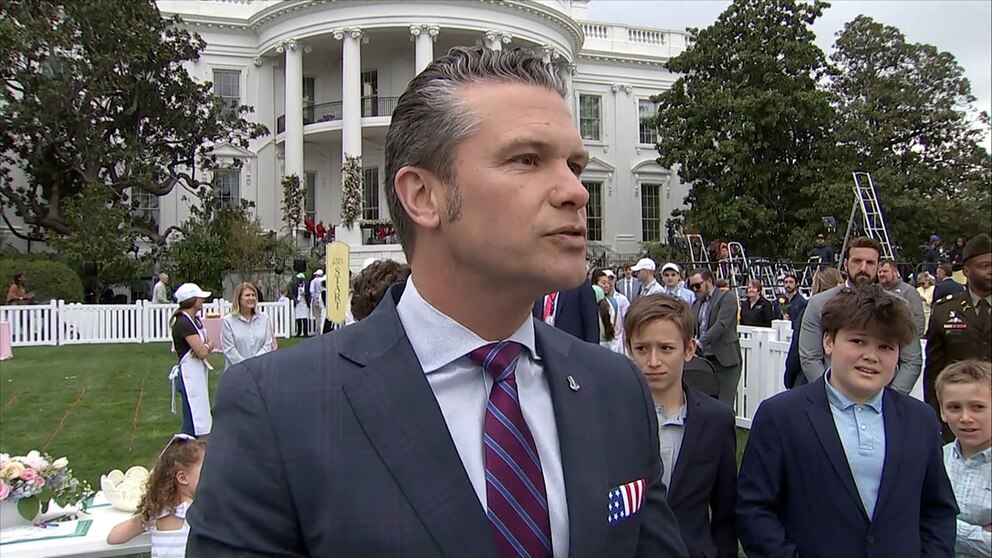
Pete Hegseth, President Donald Trump’s nominee for Secretary of Defense, has found himself navigating choppy political waters once again as revelations about a second Signal chat group have emerged. The controversy centers on private communications involving Hegseth and raises questions about transparency and judgment at a time when his confirmation hangs in the balance. Despite the mounting scrutiny, Hegseth has maintained a united front with Trump, insisting that they remain on the “same page” regarding his nomination and vision for the Department of Defense. The latest revelation comes at a particularly sensitive moment, as Hegseth’s nomination has already faced considerable headwinds due to various allegations about his past conduct and questions about his qualifications to lead the nation’s largest government agency. Speaking to reporters and through statements, Hegseth has attempted to downplay the significance of these private group chats while emphasizing his commitment to Trump’s defense agenda and his readiness to take on the Pentagon’s leadership role if confirmed by the Senate.
The Signal Chat Details and What They Reveal
The existence of a second Signal chat group involving Hegseth has added another layer of complexity to an already complicated confirmation process. Signal, an encrypted messaging application popular among political operatives and government officials for its privacy features, has become a focal point in discussions about transparency and record-keeping in government. While the specific contents of these chat groups have not been fully disclosed, the revelation has raised eyebrows among senators from both parties who are weighing Hegseth’s nomination. Critics argue that the use of such encrypted platforms, especially for someone being considered for a cabinet-level position overseeing national security, warrants scrutiny about what kind of communications took place and whether they involved discussions that should have been conducted through official channels. Hegseth’s defenders, however, point out that the use of encrypted messaging apps has become commonplace in modern political campaigns and transitions, and that there’s no evidence of wrongdoing simply based on the existence of these chat groups. The controversy underscores the tension between privacy rights for political figures and the public’s demand for transparency from those seeking to serve in high government positions.
Hegseth’s Response and Defense Strategy
In responding to questions about the Signal chats, Hegseth has adopted a straightforward approach, acknowledging their existence while framing them as routine communications rather than anything nefarious. His public statements have emphasized that he has nothing to hide and that these conversations were part of normal political discourse during the transition period. Most importantly for his confirmation prospects, Hegseth has been quick to emphasize his continued alignment with President Trump, understanding that the president’s support remains crucial to his Senate confirmation chances. By stating they are on the “same page,” Hegseth is sending a clear message to Republican senators that backing his nomination means backing Trump’s choice for this critical position. This strategy reflects the political reality that in today’s Republican Party, Trump’s endorsement carries enormous weight, and any daylight between the president and his nominee could prove fatal to confirmation hopes. Hegseth has also sought to pivot the conversation away from process questions about messaging apps and toward substantive discussions about his plans for the Defense Department, including military readiness, modernization efforts, and addressing what he sees as problematic “woke” policies that have infiltrated military culture.
Political Implications for the Confirmation Process
The timing of these revelations about the Signal chats is particularly significant as Hegseth’s confirmation hearings approach or are underway. Senate Republicans, who hold the majority, face a delicate balancing act between supporting Trump’s nominee and conducting their constitutional duty of advice and consent with appropriate rigor. Some moderate Republicans have expressed concerns about various aspects of Hegseth’s background, including allegations of financial mismanagement at veterans’ organizations he previously led, questions about his personal conduct, and now these transparency questions around private communications. Democrats, meanwhile, have seized upon each new revelation as evidence that Hegseth lacks the judgment, experience, or ethical grounding necessary to lead the Department of Defense. The Signal chat controversy provides them with additional ammunition to question whether Hegseth understands the importance of transparency and proper record-keeping in government service. However, the political math remains challenging for those opposing the nomination, as Republicans are generally reluctant to break with Trump on a cabinet appointment, especially one involving national security where the president traditionally receives considerable deference in selecting his team.
Broader Context of Cabinet Nominations and Scrutiny
Hegseth’s confirmation battle reflects broader tensions surrounding Trump’s second-term cabinet selections. The president has made clear his intention to select loyalists who share his vision and won’t resist his directives, moving away from the model of his first term when he often selected establishment figures who sometimes publicly disagreed with him. This approach has led to several controversial nominations that have generated significant public debate and media scrutiny. The intensive focus on nominees’ private communications, financial dealings, and past statements represents the modern confirmation landscape where opposition researchers and investigative journalists leave virtually no stone unturned. For Hegseth, a former Fox News host and military veteran, the transition from media personality to potential cabinet secretary has meant facing a level of scrutiny that far exceeds anything he experienced in his previous roles. The Signal chat revelations demonstrate how even seemingly innocuous private communications can become political flashpoints in an environment where trust in government institutions remains low and partisan divisions run deep. This scrutiny, while sometimes uncomfortable for nominees, serves an important democratic function by ensuring that those appointed to powerful positions are thoroughly vetted before assuming office.
Looking Ahead: Confirmation Prospects and Future Implications
As Hegseth’s confirmation process moves forward, the Signal chat controversy represents just one of several challenges he must navigate to secure Senate approval. His ability to maintain Trump’s unwavering support while also reassuring skeptical senators will prove crucial to his success. The statement that he and Trump remain on the “same page” serves both purposes—it reminds Republican senators of Trump’s backing while also projecting confidence and stability. If confirmed, Hegseth will take the helm of the Defense Department at a critical moment, with ongoing conflicts in Ukraine and the Middle East, rising tensions with China, and significant debates about military spending and priorities. The controversies surrounding his nomination, including the Signal chat revelations, may follow him into office, potentially affecting his credibility and ability to lead the department’s vast civilian and military workforce. Alternatively, if he successfully navigates the confirmation process and proves effective in the role, these early controversies may fade into distant memory. For now, Hegseth’s strategy appears focused on weathering the storm of negative revelations by staying closely aligned with Trump, directly addressing concerns when necessary, and keeping the focus on his policy vision for American defense. The coming weeks will reveal whether this approach proves sufficient to overcome the various obstacles standing between him and confirmation as Secretary of Defense, a position that would place him among the most powerful figures in American government and global security affairs.