


U.S. Temporarily Eases Russian Oil Sanctions Amid Global Energy Crisis
A Strategic Response to Soaring Oil Prices
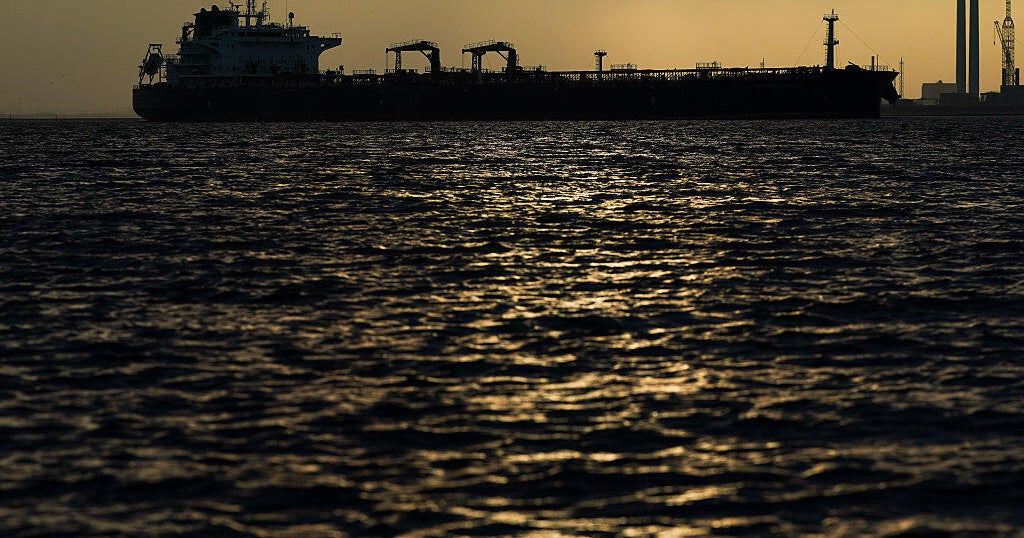
The Trump administration has taken a significant step in addressing the global oil crisis by temporarily allowing the purchase of Russian oil currently in transit across the world’s oceans. Treasury Secretary Scott Bessent announced this policy shift on Thursday, marking a notable adjustment to the stringent wartime sanctions that have restricted Russia’s oil industry since its invasion of Ukraine in 2022. The one-month authorization applies specifically to petroleum products from Russia that were already loaded onto ships on or before Thursday, affecting an estimated 124 million barrels of Russian oil currently stranded at sea worldwide. This decision comes as international oil markets face unprecedented pressure from the ongoing conflict between the U.S., Israel, and Iran, which has pushed oil prices to their highest levels in years. The Brent Crude international benchmark has surged dramatically from around $72 per barrel in late February to over $100 per barrel, creating economic headaches for consumers and governments globally.
The Administration’s Rationale and Economic Calculations
Secretary Bessent defended the administration’s decision by emphasizing its limited scope and minimal benefit to the Russian government. According to his statement on social media platform X, this “narrowly tailored, short-term measure” applies exclusively to oil already in transit and won’t provide substantial financial advantages to Russia, which derives most of its energy revenue from taxes collected at the point of extraction rather than from sales of oil already at sea. The Treasury Secretary explained that the administration’s primary goal is to “increase the global reach of existing supply” during a time when global petroleum trade has been severely disrupted. The paralysis in oil markets stems largely from the escalating conflict with Iran, which has effectively choked off one of the world’s most critical energy arteries. The Strait of Hormuz, which normally handles approximately 20% of global oil shipments, has slowed to barely a trickle as Iran conducts strikes on vessels and threatens shipping companies against passage, dramatically limiting the amount of oil from major Arab producers that can reach international markets.
A Pattern of Temporary Relief Measures
This latest sanction relief follows another recent move by the Trump administration to ease pressure on Russian oil purchases. Just last week, Treasury issued a more limited sanctions license specifically allowing India to buy oil and petroleum products from Russia for one month. This decision represented a notable reversal, as the Trump administration had previously applied considerable pressure on India to cease its purchases of Russian oil. These temporary reprieves offer oil importers some breathing room from the strict U.S. sanctions that have made conducting business with large portions of the Russian economy, particularly its energy sector, extremely difficult. Since Russia launched its full-scale invasion of Ukraine in February 2022, the country has operated under increasingly tight sanctions designed to economically isolate Moscow and limit its ability to fund military operations. The administration’s willingness to temporarily loosen these restrictions reflects the severity of the current energy crisis and the difficult balancing act between maintaining pressure on Russia and preventing economic damage from skyrocketing energy prices.
Fierce Political Backlash from Congressional Democrats
The temporary sanction reliefs have triggered sharp criticism from Democratic lawmakers who argue these measures could financially benefit Russian President Vladimir Putin’s government and undermine the sanctions framework carefully constructed to hamper Russia’s ability to finance its war against Ukraine. Democratic Senator Brian Schatz of Hawaii captured the frustration felt by many when he posted on social media: “Looks like we fought Iran and Russia won.” Senate Minority Leader Chuck Schumer, along with eleven other Democratic senators, issued a scathing statement last week condemning the Trump administration for granting the license allowing India to purchase Russian oil. They contended that the surge in oil prices has already delivered Putin an unexpected financial windfall, and any loosening of sanctions could provide him with even greater resources. In their joint statement, the Democratic senators wrote: “Instead of changing course, the President is only making this situation worse by handing Putin, his shadow fleet, and traders still dealing in sanctioned oil a free pass to increase oil shipments to Russia’s second-largest importer.” They further argued that the administration is opening new channels for sanctions evasion and, combined with dramatically elevated global energy prices, is giving Putin both a massive financial boost and the means to continue what they described as his “bloody war in Ukraine.”
Russian Officials Claim Vindication
The timing of these sanction adjustments has raised eyebrows, particularly given recent diplomatic contacts between Russian and American officials. Just one day before Treasury rolled out Thursday’s sanctions license, Russian envoy Kirill Dmitriev held meetings in Florida with U.S. negotiators Steve Witkoff and Jared Kushner, with all parties confirming the meeting took place. According to Dmitriev’s public statement, the discussions covered the “current crisis on global energy markets,” and he suggested that the U.S. and other nations are beginning to recognize the “destructive nature of sanctions against Russia.” Witkoff acknowledged the meeting but provided only minimal details, saying they discussed “a variety of topics.” Shortly after Bessent’s announcement of the new sanctions license, Dmitriev posted triumphantly on social media: “Russian energy is indispensable to easing the world’s largest energy crisis. EU bureaucrats will soon be forced to recognize this reality, acknowledge their strategic blunders, and atone.” These statements suggest that Russian officials view the temporary sanction reliefs as validation of their position that Western sanctions have contributed to global energy instability and that Russian oil remains essential to the functioning of international markets.
The Administration’s Broader Strategy to Address Supply Shortages
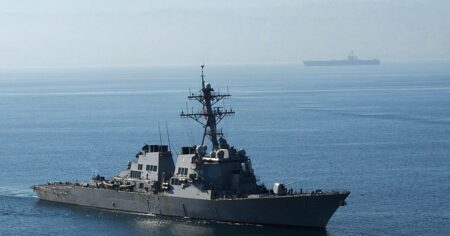
Beyond easing sanctions on Russian oil, the Trump administration is exploring multiple approaches to address the severe supply crunch caused by the ongoing conflict. President Trump and his top officials have floated various options to boost available oil supplies and bring down prices. The administration has announced plans to release approximately 172 million barrels of oil from the nation’s Strategic Petroleum Reserve, a significant drawdown of emergency supplies intended to flood the market with additional supply. Even more dramatically, President Trump has suggested the possibility of having the U.S. Navy provide military escorts for commercial vessels passing through the Strait of Hormuz, or potentially “taking [the strait] over,” as he told CBS News earlier this week. These proposals reflect the administration’s recognition that the current energy crisis poses both economic and national security challenges that may require extraordinary measures. The combination of temporary sanction relief, strategic reserve releases, and potential military involvement demonstrates the multifaceted approach the administration is pursuing to stabilize oil markets and prevent further price increases that could damage the broader economy. However, each of these measures carries its own risks and complications, from emboldening Russia to potentially escalating military tensions with Iran, leaving policymakers to navigate an increasingly complex landscape with few easy options.