
Contradictory Testimony Emerges in Epstein Estate Case Involving Trump Allegations
Questions Raised About Settlement with Accuser
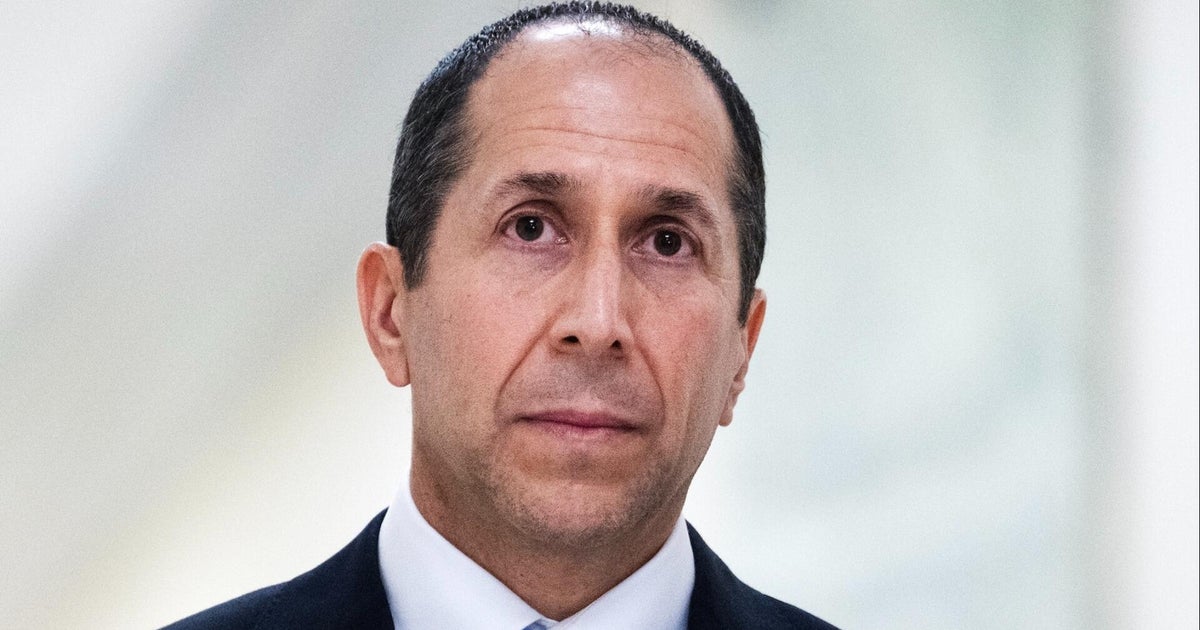
A significant controversy has erupted on Capitol Hill following confusing and contradictory testimony from Jeffrey Epstein’s former accountant regarding a woman who made allegations against both the deceased sex trafficker and President Donald Trump. Richard Kahn, who maintained a close working relationship with Epstein for over ten years and now serves as an executor of his controversial estate, appeared before the House Oversight Committee this week. What should have been a straightforward deposition instead turned into a confusing series of statements, retractions, and contradictions that have left Democratic lawmakers demanding clear answers. Two California Representatives, Robert Garcia and Ro Khanna, have raised serious concerns about the shifting narratives provided by both Kahn and his attorney, Daniel Ruzumna, particularly regarding whether the estate reached a settlement with an accuser identified as “Jane Doe 4.” The White House has maintained that allegations against President Trump related to Epstein are completely baseless, and Trump himself has consistently denied any wrongdoing in connection with the disgraced financier.
A Timeline of Changing Stories
The confusion began during Kahn’s Wednesday testimony when he initially stated that Epstein’s estate had reached a settlement agreement with Jane Doe 4, a woman who had made accusations not only against Epstein but also against President Trump. However, as the deposition continued, Kahn’s story began to change in ways that immediately raised red flags for committee members. After consulting with his client during a break in the proceedings, attorney Daniel Ruzumna returned to clarify that Kahn’s previous statement had been mistaken—claiming that neither he nor his client actually recognized the name as someone who had brought a claim against the estate. This dramatic reversal set off alarm bells among Democratic members of the committee, who found it difficult to believe that an executor of the estate would be unfamiliar with such a significant claimant, particularly one whose allegations extended to a sitting president. The situation became even more convoluted the following day when committee staff attorneys heard from Ruzumna again, this time receiving yet another version of events that contradicted what had been said just hours earlier.
Layers of Confusion and Legal Maneuvering
On Thursday, Ruzumna provided still another account to Democratic staff attorneys on the Oversight Committee, creating what Representatives Garcia and Khanna described as “inconsistent and shifting statements” in their formal letter to the attorney. During this communication, Ruzumna acknowledged that Jane Doe 4 had indeed filed a claim against Epstein’s estate, contradicting the previous day’s assertion that the name wasn’t recognized. However, he stated that this claim had been denied and that no settlement had been reached—a statement that seemed to definitively answer the question. But the clarity was short-lived. Later that same day, in what can only be described as another stunning reversal, Ruzumna contacted the committee attorneys again to walk back this assertion as well. This time, he said he “could no longer stand by [his] assertion that no settlement was reached with Jane Doe 4.” Rather than providing a definitive answer either way, Ruzumna retreated to an ambiguous legal position, stating that he “could neither confirm nor deny whether a settlement was reached” with the woman in question. This non-answer has only deepened suspicions among committee members that something significant is being concealed.
Demands for Transparency and Written Confirmation
Frustrated by the constantly changing testimony and what they perceive as deliberate obfuscation, Representatives Garcia and Khanna have issued a formal demand for clarity. In their letter to Ruzumna, the lawmakers insisted that he provide written confirmation addressing two specific questions: first, whether Jane Doe 4 actually filed a claim against the Epstein estate, and second, whether she received any settlement money from that estate. The congressmen emphasized that these are straightforward factual questions that should have clear, documentary answers, especially given that Kahn serves as an executor and would presumably have access to all estate records and settlement agreements. As of Friday, Ruzumna had not responded to requests for comment from media outlets, maintaining his silence on the matter. The lack of response has only fueled speculation about what the estate might be trying to hide and why such simple questions seem impossible to answer consistently. For Democratic committee members, the evasiveness suggests that there may be information related to President Trump that powerful interests want to keep concealed from public scrutiny and congressional investigation.
Kahn’s Role in Epstein’s Operations and Estate
Richard Kahn wasn’t just any accountant—he was one of Jeffrey Epstein’s closest associates during the final years of the financier’s life, giving him intimate knowledge of Epstein’s financial dealings and potentially his personal activities as well. During his Wednesday deposition, Kahn attempted to distance himself from knowledge of Epstein’s crimes, stating under oath that he “was not aware of the nature or extent of Epstein’s abuse of so many women until after Epstein’s death.” He claimed that had he learned of any of Epstein’s “horrific behavior,” he would have immediately resigned from his position. Kahn also sought to portray his decision to serve as an executor of Epstein’s estate in a sympathetic light, saying he took on the role because he believed it would allow him to “help alleviate” the suffering experienced by Epstein’s numerous victims. According to Kahn’s testimony, the Epstein Victim Compensation Fund successfully resolved claims brought by over 130 women, while the estate separately reached approximately 60 additional settlements outside of that fund. However, Ranking Member Garcia was notably skeptical of Kahn’s attempts to present himself as merely an innocent bystander or even a helper to victims, stating bluntly after the deposition that Kahn’s work directly enabled Epstein’s crimes and that the sex trafficker’s “massive sex trafficking ring would not have been possible without the consistent payments and services of his long-time accountant.”
Public Interest and Congressional Oversight
The significance of this case extends far beyond the specific question of one settlement with one accuser. Representatives Garcia and Khanna emphasized in their Friday statement that Jane Doe 4 was interviewed by FBI agents on four separate occasions, indicating that law enforcement took her allegations seriously and found her credible enough to warrant extensive investigation. The congressmen stated firmly that “Congress and the public deserve a clear answer about whether the Epstein Estate paid a settlement to an accuser who made serious allegations against Donald Trump.” They added that “Richard Kahn needs to come clean about what the Epstein Estate knows,” framing the issue as one of basic governmental transparency and accountability. The case has broader implications for how thoroughly the connections between Epstein and various powerful figures—including presidents, princes, and business moguls—have been investigated and disclosed to the public. Critics have long argued that Epstein’s wealth and connections allowed him to operate with impunity for years, and that even after his death and the criminal conviction of his associate Ghislaine Maxwell, many questions remain unanswered about who knew what and when. The contradictory testimony from Kahn and his attorney only reinforces suspicions that important information is still being withheld, whether to protect reputations, avoid legal liability, or maintain advantages in ongoing litigation. As congressional investigators continue to press for answers, the case serves as a reminder that transparency and accountability remain elusive when dealing with cases involving the rich and powerful, and that getting to the truth often requires persistent questioning in the face of evasive and contradictory responses.