


Former Brazilian President Jair Bolsonaro Hospitalized with Pneumonia While Serving Prison Sentence
Medical Emergency Prompts Transfer from Prison to ICU
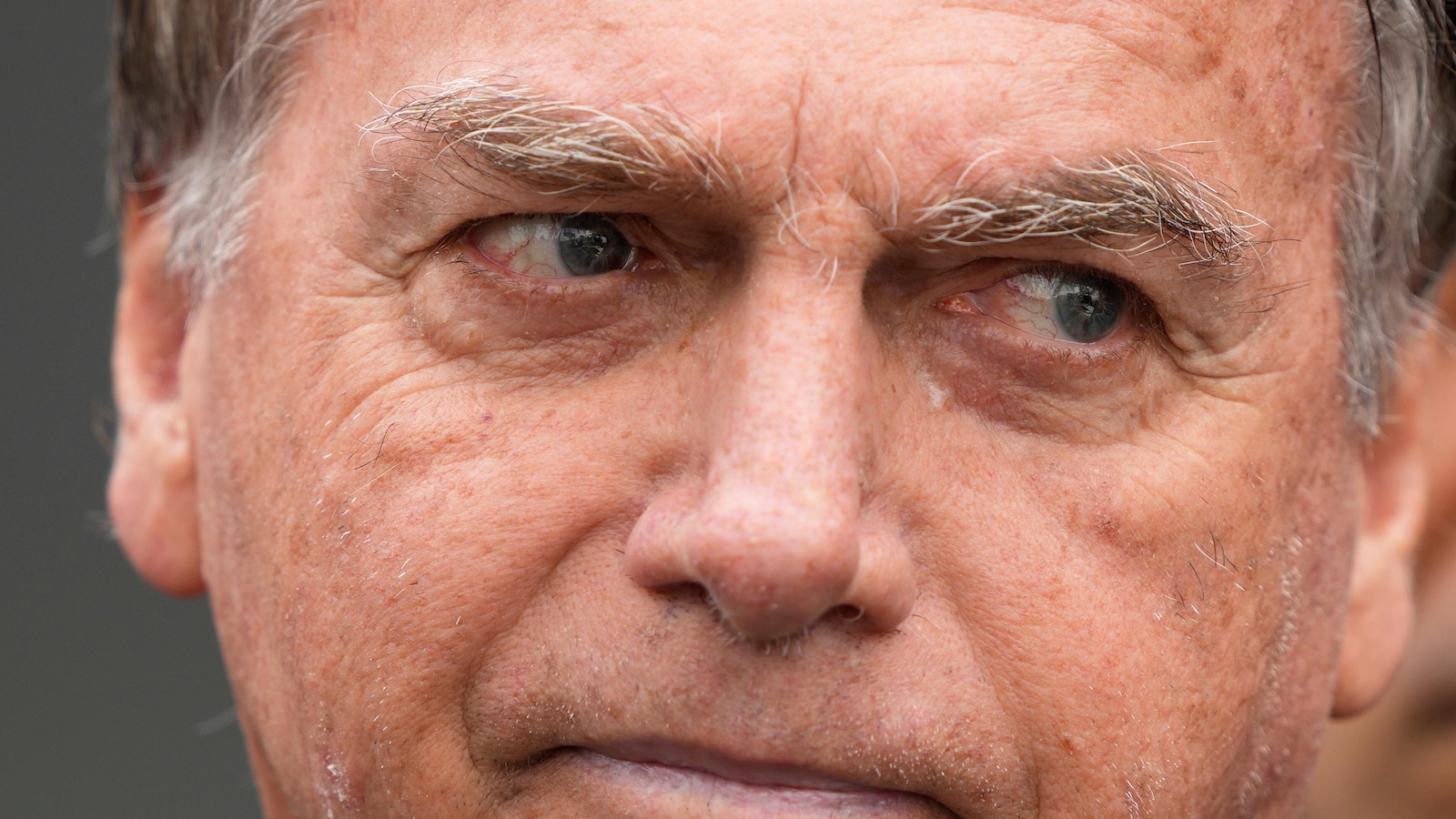
In a development that has captured national attention in Brazil, former President Jair Bolsonaro was transferred from prison to an intensive care unit in Brasilia on Friday after developing pneumonia. The 70-year-old former leader, who is currently serving a 27-year sentence for attempting a coup, experienced a sudden deterioration in his health that required immediate medical intervention. According to DF Star Hospital in Brazil’s capital, Bolsonaro presented with several concerning symptoms including high fever, significantly reduced oxygen levels, profuse sweating, and severe chills that prompted his early morning transfer. Medical examinations confirmed that he is suffering from bronchopneumonia, a specific type of pneumonia that affects the bronchioles and alveoli in the lungs, which doctors believe was likely caused by aspiration—a condition that occurs when food, liquid, or other material enters the lungs instead of going down the esophageal passage to the stomach. The former president is now receiving round-the-clock care in the ICU, where medical staff are administering intravenous antibiotics and providing non-invasive clinical support to stabilize his condition and help him recover from this serious respiratory infection.
Family Requests Prayers as Political Implications Loom
The news of Bolsonaro’s hospitalization was first shared publicly by his eldest son, Flávio Bolsonaro, who took to the social media platform X (formerly Twitter) to update concerned supporters and the Brazilian public about his father’s condition. In his post, Flávio described how his father had awakened that morning experiencing alarming symptoms including chills and vomiting, which led to the decision to transfer him from his prison cell to medical facilities capable of providing intensive care. “I ask for prayers that it not be anything serious,” Flávio wrote, expressing the family’s concern while also attempting to rally support from their political base. This appeal for prayers reflects not only a son’s worry for his father’s health but also the continued political significance of Bolsonaro’s condition to his supporters throughout Brazil. Adding another layer of complexity to the situation, Flávio Bolsonaro has announced his intention to run for president in the upcoming election, positioning himself as a potential successor to his father’s political legacy. Recent polling data has shown that Flávio is running neck-and-neck with current President Luiz Inácio Lula da Silva, suggesting that the Bolsonaro family’s political influence remains strong despite Jair Bolsonaro’s imprisonment. This tight race means that any developments concerning the former president, including his health status, carry significant political weight and could potentially influence the electoral landscape in Brazil.
A History of Medical Challenges and Health Complications
This recent hospitalization is far from the first time that Jair Bolsonaro has required serious medical attention, as he has developed a pattern of health issues that have necessitated multiple hospital visits over the years. The root cause of many of his ongoing medical problems can be traced back to a traumatic incident during the 2018 presidential campaign when Bolsonaro was brutally stabbed at a campaign event by an assailant. That attack left him with serious internal injuries that required immediate surgery and has resulted in persistent health complications that have followed him throughout his presidency and into his imprisonment. The stabbing damaged his intestines and required multiple surgical interventions over the years to address complications arising from that initial injury. Just two months ago, in January of this year, Bolsonaro required police escort to the very same DF Star Hospital where he is currently receiving treatment, though that visit was for neurological testing after he fell from his bed in his prison cell. That incident raised concerns about possible head injuries or other neurological issues that might have resulted from the fall. The frequency of these medical emergencies has become a recurring theme in Bolsonaro’s post-presidential life, raising questions among both supporters and critics about the adequacy of medical care available to him in prison and whether his ongoing health issues might eventually influence his ability to serve his lengthy sentence.
The Conviction That Led to Imprisonment
Understanding Bolsonaro’s current situation requires examining the serious criminal convictions that landed him behind bars in the first place. In September of last year, Bolsonaro and several of his close political allies were convicted by a panel of Brazil’s Supreme Court justices on charges related to attempting to overthrow Brazil’s democratic system following his defeat in the 2022 presidential election. The conviction was the culmination of a lengthy investigation that uncovered what prosecutors described as a coordinated plot to subvert democratic processes and maintain Bolsonaro in power despite his electoral loss to Lula da Silva. The evidence presented during the trial painted a disturbing picture of the extent to which Bolsonaro and his associates were allegedly willing to go to prevent the peaceful transfer of power. Among the most shocking revelations was evidence of plans to assassinate President Lula, Vice President Geraldo Alckmin, and Supreme Court Justice Alexandre de Moraes, who had been instrumental in investigating Bolsonaro’s activities. Additionally, the plot included provisions to encourage and support an insurrection in early 2023, presumably timed to coincide with or follow the inauguration of the new president. These plans bore uncomfortable similarities to attempts to subvert democratic processes seen in other countries, raising alarm bells among Brazil’s democratic institutions and international observers concerned about the health of democracy in Latin America’s largest nation.
Serious Charges and Steadfast Denials
The charges for which Bolsonaro was ultimately convicted extend beyond the attempted coup itself and encompass a range of serious criminal activities that the court found he orchestrated or participated in during his time in office and immediately following his electoral defeat. Specifically, he was convicted on charges that include leading an armed criminal organization, a designation that implies he was at the head of a structured group prepared to use violence to achieve political objectives. This charge alone carries serious implications, as it suggests that Bolsonaro’s activities went beyond political maneuvering or even election fraud into the realm of organized criminal conspiracy. Additionally, he was convicted of attempting the violent abolition of the democratic rule of law, a charge that strikes at the very heart of Brazil’s constitutional order and represents one of the most serious crimes that can be committed against the state. This charge acknowledges that the plot was not merely about winning an election or contesting results, but about fundamentally undermining the democratic system that has governed Brazil since the end of military rule. The 27-year sentence he received reflects the gravity with which the Brazilian judicial system viewed these crimes, sending a strong message about the consequences of attempting to subvert democratic processes. Despite the weight of evidence presented and the conviction by the Supreme Court panel, Bolsonaro has consistently and emphatically denied any wrongdoing, maintaining that he is the victim of political persecution by his opponents and claiming that the charges against him are fabricated or exaggerated for political purposes.
National and International Implications of an Uncertain Future
As Bolsonaro remains in intensive care receiving treatment for his pneumonia, Brazil finds itself at a crossroads where issues of justice, health, politics, and democratic integrity intersect in complex ways. The former president’s hospitalization has reignited debates about prison conditions, medical care for elderly inmates, and how democratic societies should handle former leaders convicted of serious crimes. His supporters continue to view him as a political martyr being unjustly persecuted by the left-wing establishment, while his opponents insist that justice must take its course regardless of his former position or current health status. The political implications extend beyond Bolsonaro himself, as his son Flávio’s presidential candidacy and strong polling numbers suggest that Bolsonarismo as a political movement remains vibrant and capable of mobilizing significant portions of the Brazilian electorate. This reality presents challenges for President Lula and his allies as they attempt to govern effectively while also ensuring that democratic institutions remain strong enough to prevent future attempts at subversion. The international community continues to watch Brazil’s handling of this situation closely, as it represents a test case for how established democracies respond to internal threats from former leaders who refuse to accept electoral defeat. As Bolsonaro recovers from this latest health crisis, the questions surrounding his conviction, his family’s political ambitions, and the future direction of Brazilian democracy remain as urgent and unresolved as ever, ensuring that this story will continue to develop in ways that could reshape the country’s political landscape for years to come.