

Congressional Report Exposes Fatal ICE Shootings in Minneapolis
Democrats Challenge Federal Immigration Enforcement Tactics
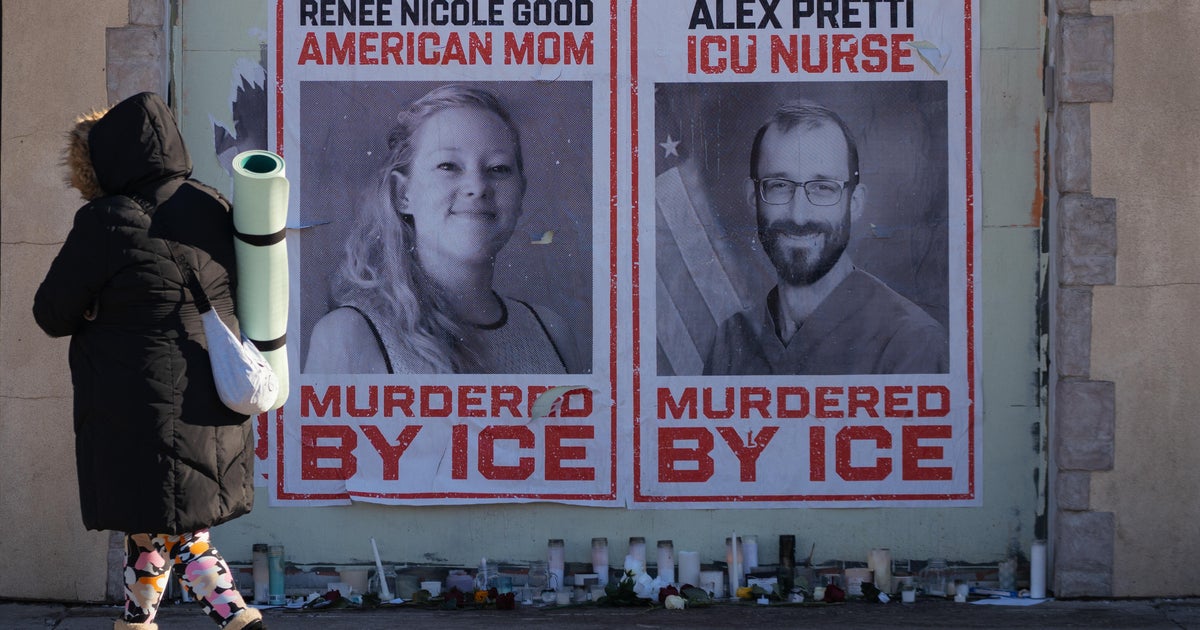
A deeply troubling series of events has unfolded in Minneapolis, where two people lost their lives at the hands of federal immigration officers within just weeks of each other. Democratic members of the U.S. House Committee on Oversight and Government Reform have now released a comprehensive report examining these tragic incidents, raising serious questions about the policies and practices of federal immigration enforcement under the current administration. The deaths of Renee Good on January 7, 2025, and Alex Pretti on January 24 have sparked a fierce debate about the use of force by ICE and Border Patrol agents, with allegations of cover-ups and misinformation dominating the conversation.
California Representative Robert Garcia, serving as the ranking Democratic member on the committee, presented four central conclusions from the investigation that paint a disturbing picture of what transpired. According to the report, the Trump Administration’s aggressive immigration policies, violent enforcement methods, and what Democrats describe as a “culture of impunity” directly contributed to these deaths. The report also accuses the administration of spreading false information about both victims and actively working to obstruct thorough investigations into the shootings. Perhaps most damning, the evidence compiled by investigators appears to contradict the government’s initial characterization of Good and Pretti as domestic terrorists who posed immediate threats to federal law enforcement officers.
Understanding What Happened to Renee Good and Alex Pretti
The circumstances surrounding these deaths have become a flashpoint in the ongoing national conversation about immigration enforcement. Renee Good was fatally shot by ICE officer Jonathan Ross on January 7, an incident that sent shockwaves through the Minneapolis community. Less than three weeks later, on January 24, Alex Pretti was killed by two Border Patrol officers in a separate encounter. The proximity of these incidents, combined with the similar narratives initially promoted by federal officials, has raised red flags for congressional investigators and community advocates alike.
What makes these cases particularly contentious is the stark contrast between what witnesses and evidence suggest happened versus what the Trump Administration initially claimed. Federal officials characterized both Good and Pretti as dangerous individuals who posed terrorist threats to law enforcement officers, justifying the use of lethal force. However, the Democratic report challenges this narrative head-on, presenting evidence that tells a different story. Representative Garcia didn’t mince words when he stated, “Let’s be clear: the killings of Renée Good and Alex Pretti could have been prevented, and they should both still be alive.” His statement reflects not just political disagreement but a fundamental dispute about the facts of what occurred during these fatal encounters.
Accusations of Lies and Cover-Ups
The congressional report goes beyond questioning tactical decisions and enters territory that suggests potential criminal misconduct and obstruction. Garcia directly accused President Trump, Homeland Security Secretary Kristi Noem, and the entire Department of Homeland Security of repeatedly lying to the American public about these shootings. The representative emphasized that the administration has been “trying to cover up the truth” and insisted that accountability must follow. These are extraordinarily serious charges, suggesting not just mistakes in judgment but deliberate attempts to mislead the public and Congress about the circumstances of two deaths at the hands of federal officers.
The committee’s findings indicate that evidence available to investigators contradicts the administration’s version of events in significant ways. While the full details of this contradictory evidence haven’t been publicly released, the report states clearly that what “the American people saw with their own eyes” doesn’t align with the government’s explanations. This suggests that video evidence, witness testimony, or other documentation tells a very different story than the one federal officials presented. Furthermore, the report accuses the administration of actively impeding “thorough and impartial investigations” into both shootings, which raises questions about what information might be hidden and why officials would want to prevent a complete accounting of what happened.
The Administration Defends Its Officers
The White House has responded to these accusations with a vigorous defense of federal immigration enforcement officers and their mission. White House spokesperson Abigail Jackson provided a statement that reframed the conversation entirely, focusing not on the specific incidents but on the broader work of ICE and Border Patrol agents. “Federal law enforcement officers are heroically removing dangerous criminal illegal aliens from American communities – including murderers, rapists, and pedophiles,” Jackson said, adding that “The Trump Administration is grateful for their important work.” This response notably didn’t address the specific allegations in the congressional report, instead appealing to public concern about immigration enforcement and public safety.
This rhetorical strategy reflects the deep political divide surrounding immigration policy in America. While Democrats on the oversight committee are questioning whether excessive force was used against individuals who didn’t pose genuine threats, the administration is positioning all immigration enforcement as necessary protection against dangerous criminals. The Department of Homeland Security, which oversees both ICE and Border Patrol, has been contacted for additional comment but hasn’t provided a detailed response to the specific findings in the congressional report. This silence on the specifics while promoting general support for enforcement officers may itself be part of what Democrats characterize as a cover-up.
Congressional Committee Dynamics and What Comes Next
The House Committee on Oversight and Government Reform sits at the center of this investigation, but its composition reveals the political challenges in pursuing accountability. The committee is chaired by Kentucky Republican James Comer and includes 44 representatives total: 24 Republicans and 20 Democrats. This Republican majority means that Democrats, despite releasing this report, lack the votes to compel testimony, issue subpoenas, or advance legislation without some Republican support. The Republican membership includes prominent conservative figures like Jim Jordan, Paul Gosar, Nancy Mace, and Lauren Boebert, who have generally supported aggressive immigration enforcement measures.
On the Democratic side, the committee includes progressive members such as Rashida Tlaib, Ayanna Pressley, and Jasmine Crockett, who have been outspoken critics of immigration enforcement tactics. This ideological divide means that any path forward for accountability will require either significant public pressure that moves some Republican members or external investigations by the Justice Department or other agencies. The fact that this report was released by Democratic members specifically, rather than the full committee, indicates that Republicans have not joined in these conclusions or recommendations.
Taking the investigation to the public, Representative Garcia is co-leading a Congressional forum scheduled for Tuesday afternoon focused on “the violent tactics and disproportionate use of force by agents of the Department of Homeland Security.” Significantly, Renee Good’s brothers, Brent and Luke Ganger, are scheduled to testify at this forum. Their testimony will likely provide a deeply personal perspective on who their sister was and why they believe the government’s characterization of her as a terrorist threat is false. These public hearings serve multiple purposes: they keep media attention focused on the issue, they create an official record of testimony and evidence, and they put political pressure on officials who might otherwise prefer these incidents fade from public memory. As this story continues to develop, the tension between accountability and political protection of enforcement priorities will likely intensify, making these shootings a significant test of oversight in a divided government.