


U.S. Military Escalates Anti-Drug Operations in Latin American Waters
Another Vessel Destroyed in Ongoing Campaign Against Narcotics Trafficking
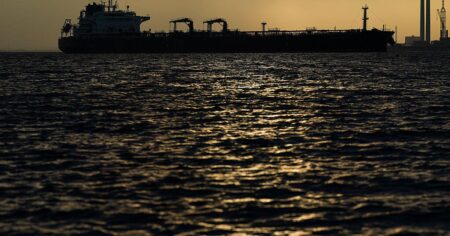
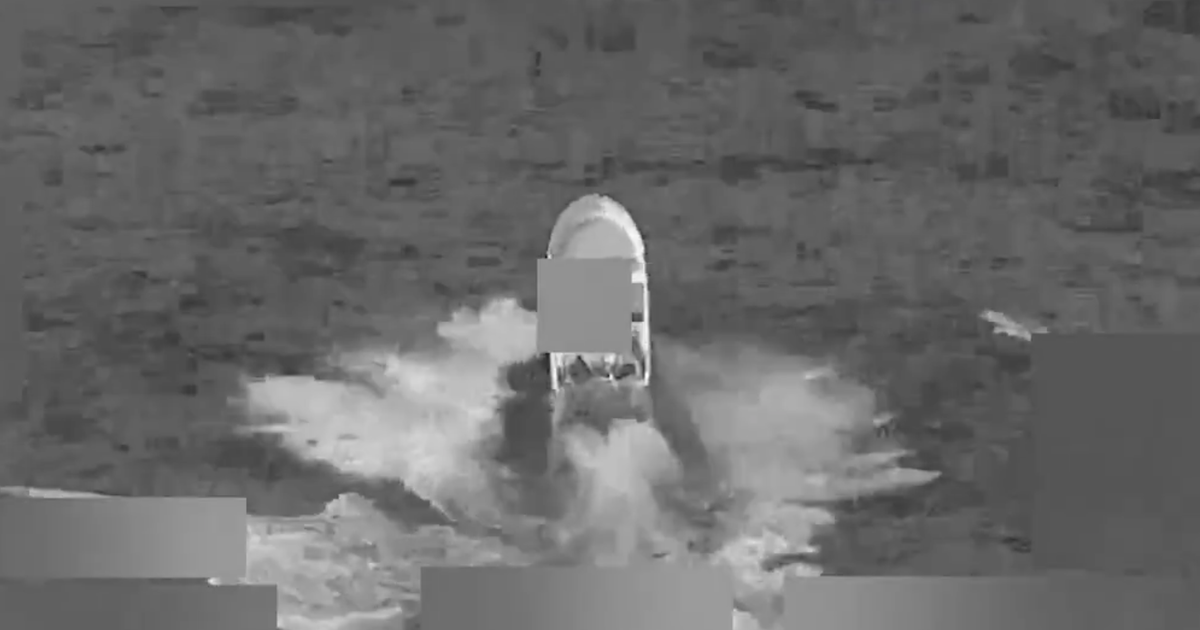
The United States military continues its controversial campaign against drug trafficking in Latin American waters, with the latest strike occurring this past Thursday in the eastern Pacific Ocean. According to U.S. Southern Command, forces targeted and destroyed what they described as a drug-carrying vessel, resulting in the deaths of two individuals aboard. This operation represents the 38th boat to be struck since this aggressive military strategy began five months ago in early September, though notably it’s only the second strike of the current year. The military released dramatic footage showing the targeted boat exploding into flames upon impact, a stark visual representation of the administration’s hardline approach to combating narcotics smuggling. Southern Command stated that intelligence confirmed the vessel was operated by a designated terrorist organization and was traveling along well-known drug trafficking routes, though they stopped short of identifying which specific organization was allegedly responsible for operating the boat.
The Scope and Scale of Military Operations
Since the campaign’s inception last September, the scope of these military operations has been substantial and deadly. U.S. forces have conducted at least 36 separate airstrikes targeting 38 vessels across the Caribbean Sea and Eastern Pacific Ocean. The human cost of these operations has been significant, with at least 128 people killed during these strikes over the five-month period. The boats have been targeted in international waters that the military identifies as known corridors for drug smuggling operations heading toward the United States. The strikes have employed what the military terms “lethal kinetic force,” essentially meaning direct military attacks designed to destroy the vessels completely. The operation has been coordinated through Joint Task Force Southern Spear, operating under the command of General Francis L. Donovan, who leads U.S. Southern Command. The geographic area of operations spans a vast region of ocean where Central and South American drug trafficking organizations have historically moved their illicit cargo toward markets in North America.
A Notable Slowdown Following Maduro’s Capture
Interestingly, the pace of these boat strikes has decreased dramatically in recent weeks, a slowdown that coincides with a major geopolitical development in the region. On January 3rd, U.S. forces executed a stunning operation that resulted in the capture of Venezuelan President Nicolás Maduro, whom the Trump administration has long accused of collaborating with and enabling drug trafficking organizations. Since Maduro’s detention, only two vessels have been struck—one on January 23rd in the Pacific Ocean and Thursday’s strike. This represents a significant reduction compared to the frequent strikes that characterized the campaign’s first few months. Whether this slowdown indicates a shift in strategy, reduced drug trafficking activity, or simply fewer targets being identified remains unclear. The administration has not publicly explained the correlation between Maduro’s capture and the reduced strike frequency, though officials have previously argued that dismantling the political infrastructure that protects drug traffickers is essential to long-term success in combating the narcotics trade.
The Administration’s Legal and Strategic Justification
President Trump and his administration have vigorously defended these military operations as both necessary and legally sound. The administration’s position is that these strikes are essential tools in the fight against the flow of illegal narcotics into the United States, which contributes to the ongoing opioid crisis and other drug-related problems affecting American communities. To provide legal cover for these operations, the administration has formally notified Congress that the United States is engaged in what it characterizes as a “non-international armed conflict” with drug cartels. This designation is significant because it invokes certain legal frameworks typically reserved for warfare. Under this interpretation, the individuals crewing these suspected smuggling vessels are classified as “unlawful combatants” rather than criminals, which in the administration’s view justifies using military force rather than law enforcement measures. This legal theory essentially treats the war on drugs as an actual war, with all the military options that designation implies, including the use of lethal force against suspected traffickers in international waters without the due process that would be required in civilian criminal proceedings.
Growing Criticism and Controversy
Despite the administration’s confident assertions, these operations have generated substantial controversy and criticism from multiple quarters. Democratic lawmakers have been particularly vocal in their opposition, raising serious questions about both the legal justification and the evidence supporting these strikes. Critics argue that the administration has failed to provide sufficient proof that the targeted vessels were actually carrying drugs destined for the United States, raising the troubling possibility that innocent fishermen or other civilians might be among the casualties. The criticism intensified following revelations about the campaign’s very first strike on September 2nd, when it was disclosed that two survivors of the initial attack were subsequently killed in a follow-on strike. This incident raised serious ethical and legal questions about the rules of engagement being employed and whether survivors were being given any opportunity to surrender. The broader concern among critics is that the administration is conducting what amounts to a shooting war in Latin American waters without adequate oversight, transparency, or evidence that those being killed are actually engaged in criminal activity. The fact that at least 128 people have been killed in these operations without any apparent judicial process has alarmed human rights advocates and legal scholars.
Congressional Opposition and Constitutional Questions
The constitutional tension between executive military action and congressional authority has become a central issue in the debate over these operations. Congressional Democrats have not limited their criticism to just the boat strikes but have challenged the entire scope of the Trump administration’s military buildup and operations near Central and South America, including both the vessel interdictions and the dramatic capture of Venezuelan President Maduro. Their fundamental argument is that Congress has not authorized the use of military force in this context, and that the Constitution requires such authorization for military operations that don’t fall under immediate self-defense. The administration has firmly rejected this argument, asserting that these operations are legally sound under existing presidential authorities and don’t require additional congressional approval. In response to these concerns, Democratic lawmakers have introduced several resolutions aimed at limiting or constraining military operations in the region, attempting to reassert congressional control over decisions about war and peace. However, these legislative efforts have thus far failed to gain enough support to pass, leaving the administration free to continue its operations as it sees fit. This ongoing dispute reflects deeper questions about presidential power, the appropriate use of military force, and how America should conduct its decades-long struggle against international drug trafficking—questions that remain unresolved as the strikes continue and the body count rises in the waters off Latin America.