


SpaceX Crew Dragon’s Valentine’s Day Arrival Brings International Space Station Back to Full Capacity
A Heartwarming Reunion in Orbit
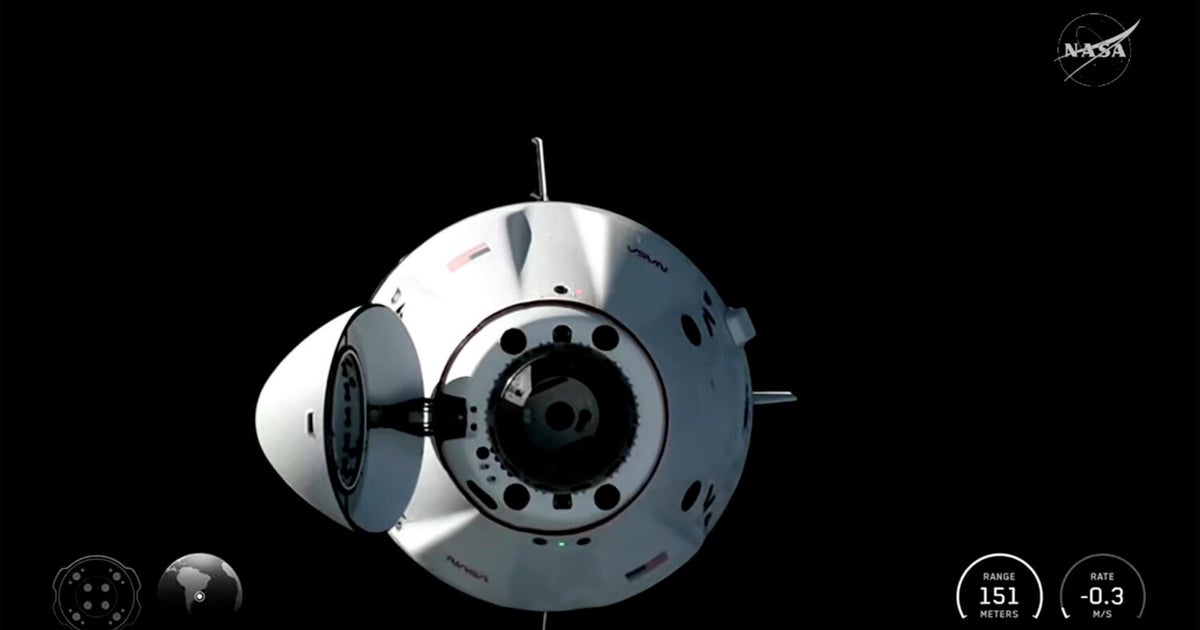
In a mission timed perfectly for Valentine’s Day, a SpaceX Crew Dragon capsule carrying four astronauts successfully docked with the International Space Station on Saturday, February 14, 2026, marking an emotional and significant moment for space operations. The graceful arrival came at 3:15 p.m. Eastern Time, concluding a 34-hour journey that began Friday when the crew launched from Florida’s Kennedy Space Center aboard a powerful Falcon 9 rocket. This docking was particularly meaningful as it restored the space station to its full operational crew of seven people, a critical milestone after the laboratory had been operating with just three occupants for the past month. The reduced crew situation had developed following the unexpected early return of four previous astronauts due to undisclosed medical concerns, leaving the station somewhat short-handed and limiting its research capabilities and operational flexibility.
Meet the Crew 12 Astronauts
The newly arrived Crew 12 brings together an impressive international team representing the best of human spaceflight cooperation. Leading the mission is Commander Jessica Meir, a seasoned NASA astronaut embarking on her second long-duration stay aboard the orbiting laboratory. Joining her is veteran Russian cosmonaut Andrey Fedyaev, whose experience adds valuable expertise to the mission. The team also includes two enthusiastic space rookies: Jack Hathaway, an American astronaut, and Sophie Adenot, a French astronaut representing the European Space Agency. Adenot brings a particularly diverse background to the mission, having served as a French air force helicopter test pilot with additional expertise as both a skydiver and SCUBA specialist. This mix of veteran experience and fresh perspectives creates an ideal team dynamic for the challenging work ahead. Two hours after the capsule securely docked at the space-facing port of the station’s forward Harmony module, the four newcomers opened the hatch and floated into their new home, where warm hugs and enthusiastic handshakes awaited them from the existing crew members.
A Warm Welcome and First Impressions
The arrival ceremony aboard the International Space Station captured the genuine warmth and camaraderie that defines life in orbit. Space station commander Sergey Kud-Sverchkov, along with cosmonaut Sergey Mikaev and NASA astronaut Chris Williams—all of whom had launched to the outpost in November aboard a Russian Soyuz spacecraft—greeted the newcomers with genuine enthusiasm. “Welcome to Crew 12,” Kud-Sverchkov said during a brief but heartfelt ceremony. “We are happy they all arrived safe and sound, we’ve been waiting for this moment for a very long time. We’re really happy and proud to work as a team here.” Commander Meir responded with equal emotion, expressing her joy at returning to space and highlighting the international nature of their mission: “It is so wonderful to be back up here…You look around, the crew up here, and it’s really a testament to everything we do, we have so many countries represented, so many backgrounds, so many disciplines, we are so excited to be here.” For the first-time space travelers, the experience proved overwhelming in the best possible way. Sophie Adenot enthusiastically described their journey, saying SpaceX gave them “quite a ride, very fun!” She shared a profound moment that many astronauts describe as life-changing: “The first time we looked at the Earth was, wow, mind blowing. The Earth is so beautiful from up here. We see no lines, no borders, it was a very big moment for us, for Jack and me, to see that for the first time.”
Restoring Full Station Operations
The arrival of Crew 12 carries significant operational importance beyond the emotional reunion. These four astronauts are replacing the previous Crew 11, which included Commander Zena Cardman, Mike Fincke, Japanese astronaut Kimiya Yui, and cosmonaut Oleg Platonov. That crew’s unexpected early departure last month had created operational challenges that went beyond simply having fewer hands on deck. While the International Space Station can technically be safely operated by a crew of three, this minimal staffing severely limits what can be accomplished. With only one NASA astronaut aboard during the interim period, the full range of NASA and partner agency research simply couldn’t be conducted alongside all the required maintenance activities that keep the station functioning properly. Perhaps most significantly, spacewalks—those dramatic and sometimes necessary excursions outside the station for repairs and upgrades—were completely off the table. Spacewalks require a minimum of two astronauts working together using a buddy system for safety, making them impossible with just a single American astronaut aboard. NASA managers had actually attempted to move up the Crew 12 launch by approximately four days to as early as February 11, hoping to reduce the amount of time Chris Williams would need to operate U.S. segment systems alone. However, scheduling conflicts with preparations for NASA’s ambitious Artemis II moon mission, combined with unfavorable high winds along the Crew Dragon’s planned ascent path earlier in the week, meant the crew ultimately launched on Friday as originally scheduled.
Smooth Rendezvous with a Medical Note
The rendezvous and docking proceeded flawlessly from a technical standpoint, with the Crew Dragon’s automated systems guiding it smoothly to its berth on the space-facing port. However, an interesting wrinkle emerged during the day’s activities when the crew requested a private medical conference, commonly abbreviated as PMC in NASA communications. These confidential discussions with flight surgeons on the ground are standard procedure when crew members have health concerns or questions. What made this particular request somewhat noteworthy was that the astronauts indicated they might need a follow-up medical conference after docking was complete. Later in the day, they confirmed this intention, with Jack Hathaway radioing to mission control: “We’re going to go forward with that plan, so if you could just have the surgeon ready for us after we get all docked we would appreciate that.” Mission control promptly replied: “We’ll be ready to support.” It’s important to note that under strictly enforced medical privacy guidelines that protect astronaut confidentiality just as doctor-patient privacy is protected on Earth, NASA does not discuss specific health issues affecting individual crew members. Therefore, the nature of whatever concern prompted the post-docking medical conference request wasn’t publicly disclosed. Space medicine experts note that roughly half of all men and women who fly to space experience some degree of space adaptation syndrome during their first few days in weightlessness, with symptoms including nausea, disorientation, and general discomfort. These symptoms, while unpleasant, typically resolve on their own as the body adjusts to the microgravity environment within a few days.
Looking Forward to Productive Research
With all seven crew members now safely aboard, the International Space Station can return to full-speed operations, conducting the wide range of scientific research and technology demonstrations that justify its continued operation. Jack Hathaway captured this sense of purpose and continuity when he radioed: “Crew 12 is honored to join our Expedition 74 friends and colleagues…to add our chapter to the story of the International Space Station.” Commander Meir echoed this sentiment with her simple but determined message shortly after arrival: “Grateful to be on board, and we’re ready to get to work.” The restoration of a full crew means research in the U.S. segment can resume its normal ambitious pace, with experiments spanning fields from biology and human physiology to materials science and fundamental physics. Spacewalks can now be scheduled as needed for maintenance, repairs, and upgrades to station systems. The diverse international makeup of the crew—representing the United States, Russia, France, and Japan through various crew rotations—embodies the spirit of peaceful international cooperation that has characterized the space station program for over two decades. As these seven individuals from different nations and backgrounds float together hundreds of miles above Earth, working toward common goals and sharing the profound experience of seeing our planet from space, they demonstrate humanity’s capacity for collaboration and our shared sense of wonder at exploring the cosmos.