


Mystery at Sea: The Search for Lynette Hooker and the Unknown Sailboat
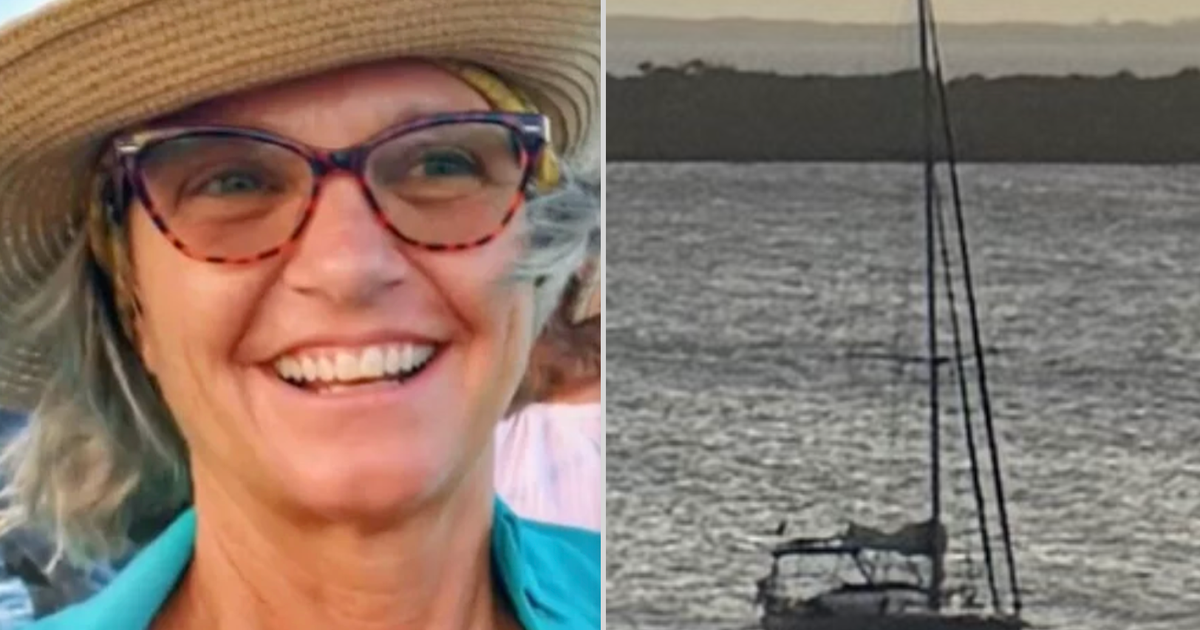
The disappearance of Lynette Hooker in the tranquil waters of the Bahamas has taken a significant turn as federal investigators reach out to the public for help. The 55-year-old Michigan woman vanished on the night of April 4, 2026, near Aunt Pat’s Bay, close to Elbow Cay and Hope Town—a popular sailing destination known for its picturesque harbors and peaceful anchorages. What began as a tragic accident reported by her husband has evolved into a full-scale investigation that now centers on a mysterious sailboat that was moored nearby. The U.S. Coast Guard Investigative Service, the criminal division responsible for investigating serious incidents at sea, is now asking anyone with information about this vessel or its occupants to come forward, suggesting that there may be more to this story than initially meets the eye.
The Night Everything Changed
On what should have been just another evening in paradise, Lynette and Brian Hooker were aboard their sailing vessel, appropriately named Soulmate, anchored in the peaceful waters of Aunt Pat’s Bay. According to Brian Hooker’s account to authorities, the couple took their small dinghy—an 8-foot inflatable boat commonly used by sailors to travel between anchored vessels and shore—out for a nighttime ride through the Abacos. What happened next, according to his statement, sounds like a sailor’s worst nightmare. Brian claims that Lynette fell overboard, and in a cruel twist of fate, she had the boat keys with her when she went into the water. Without the keys, the dinghy’s engine shut off automatically—a safety feature designed to prevent runaway boats but which, in this instance, allegedly left Brian stranded in the dark waters, unable to power back to look for his wife. He says he was forced to paddle for hours through the night before finally reaching shore to raise the alarm. Yet despite his ordeal and the immediate search that followed, Lynette has not been seen since that fateful night, and as the weeks have passed, questions have mounted about what really happened in those dark waters.
A Sailboat Holds the Key
The investigation has now zeroed in on another vessel that was in the vicinity that night—a sailboat that was moored near Soulmate in Aunt Pat’s Bay on April 4th. Federal investigators believe that whoever was aboard this mystery boat may have seen or heard something significant, perhaps without even realizing it. In the close quarters of an anchorage, where boats often sit within shouting distance of each other, it’s entirely possible that the occupants of this neighboring vessel witnessed comings and goings, heard voices or unusual sounds, or noticed activities that could shed light on what happened to Lynette. The Coast Guard has released photographs of this sailboat and is actively seeking to identify its owners or anyone who was aboard that evening. A memo from the Coast Guard Investigative Service states plainly that “the owners/occupants of the sailing vessel may have information relevant to the CGIS investigation.” This development suggests that investigators are casting a wider net, looking beyond Brian Hooker’s account of events to build a more complete picture of that night. They’re conducting interviews—some scheduled for this very week—and appear to be treating this as a complex investigation rather than a straightforward accident at sea.
Questions Without Answers
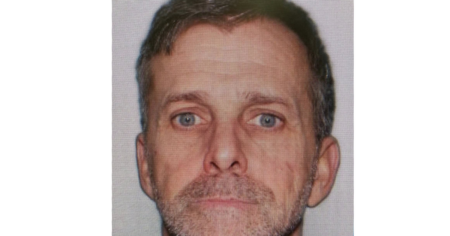
The circumstances surrounding Lynette’s disappearance have raised eyebrows from the beginning. While boating accidents do happen, and people do tragically fall overboard, the specific details of Brian’s story have left many wondering. How exactly did Lynette fall from an 8-foot dinghy, a small and relatively stable craft? Why were they out on the water at night, when most sailors prefer the safety of remaining aboard their anchored vessels after dark? How did the keys end up in the water with Lynette—was she holding them, or did they fall separately? And perhaps most puzzling of all, how did Brian manage to paddle for hours to reach shore rather than returning to the much closer Soulmate? CBS News has obtained a screenshot from Navionics, a popular marine navigation app, that purportedly shows the route Brian’s dinghy took that night. Investigators are reportedly examining this data carefully, as modern navigation technology can provide a detailed electronic trail of movements on the water. Brian Hooker was detained by Bahamian authorities in the immediate aftermath of his wife’s disappearance but was later released without any charges being filed. He has consistently denied any wrongdoing, maintaining that what happened was a tragic accident. However, as time passes and Lynette remains missing—now more than a month since she vanished—the lack of answers has been agonizing for her family and friends.
The Weight of Trust and Responsibility
The emotional toll of this case extends far beyond the immediate investigation. Blaine Stevenson, described as a friend of both Lynette and Brian, has spoken out about the situation in a way that captures the heartbreak and frustration many are feeling. In a message he sent to Brian Hooker, which he shared with CBS News, Stevenson expressed what so many close to Lynette are thinking: “They [Lynette Hooker’s family] trusted you with their loved one, and you didn’t live up to it. So, now’s the time for you to live up to that, and take care of them, and give them the answers they’re looking for.” These words cut to the heart of what happens when someone goes missing under mysterious circumstances—families are left with an unbearable void, made even worse by unanswered questions. When you entrust someone with the life of your loved one—whether as a spouse, a travel companion, or simply as someone responsible for their safety—there’s an implicit promise to protect them, and if something goes wrong, to be completely truthful about what happened. For Lynette’s family, the lack of clear answers has compounded their grief. They want to know what happened to their daughter, their sister, their friend. They want to understand the last moments of her life. And they want to believe that everything possible is being done to find the truth.
A Federal Investigation Unfolds
The involvement of the U.S. Coast Guard Investigative Service signals that this case is being taken very seriously at the federal level. CGIS agents are sworn federal law enforcement officers with significant investigative powers. They work closely with the Department of Justice and are tasked with investigating violations of both the Uniform Code of Military Justice and U.S. law. Their mission extends to protecting Coast Guard personnel, operations, integrity, and assets worldwide through independent investigations—but they also investigate civilian cases that fall under federal maritime jurisdiction, particularly when Americans are involved in incidents in international waters or foreign territories. The fact that CGIS is actively working this case, conducting interviews, and now appealing to the public for information suggests they’re building a comprehensive investigation. They’re not simply accepting the initial account at face value but are instead pursuing multiple leads and potential witnesses. The appeal for information about the mystery sailboat is being made through multiple channels, including the CGIS Tips app, which is available on both Apple and Google platforms. Importantly, the Coast Guard has emphasized that tips can be submitted anonymously, recognizing that potential witnesses might be hesitant to come forward if they fear being drawn into a complex investigation or legal proceedings.
The Search for Truth Continues
As we approach the second month since Lynette Hooker vanished into the Caribbean night, her family and friends continue to hope for answers, even as the likelihood of finding her alive dims with each passing day. No charges have been filed in connection with her disappearance, but the investigation remains very much active and appears to be intensifying rather than winding down. When CBS News reached out to Brian Hooker’s new attorney, Crystal Hauser, for comment on the latest developments, she hung up the phone without answering any questions—a response that does little to quell the speculation and concern surrounding the case. Meanwhile, somewhere in the sailing community, there may be people who were aboard that mystery sailboat on April 4th, people who might have seen or heard something without realizing its significance. Perhaps they noticed unusual activity, overheard an argument, saw someone in distress, or witnessed the dinghy departing or returning. Or perhaps they saw nothing unusual at all—but even that information could be valuable to investigators trying to establish a timeline and verify the sequence of events. The Coast Guard’s public appeal represents a recognition that solving this mystery may require the participation of the broader community, particularly those who frequent these waters and might have information they don’t even realize is important. For now, the waters of the Bahamas keep their secrets, but investigators remain determined to find the truth about what happened to Lynette Hooker on that April night, and they’re counting on someone, somewhere, to provide the piece of the puzzle that finally brings answers to a grieving family still waiting to learn the fate of the woman they loved.