

U.S. Military Escalates Attacks on Suspected Drug Vessels in Latin American Waters
Latest Strike Claims Three More Lives in Pacific Ocean
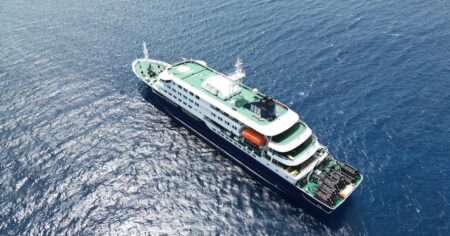
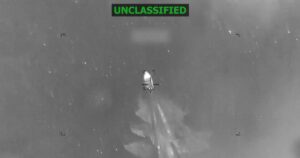
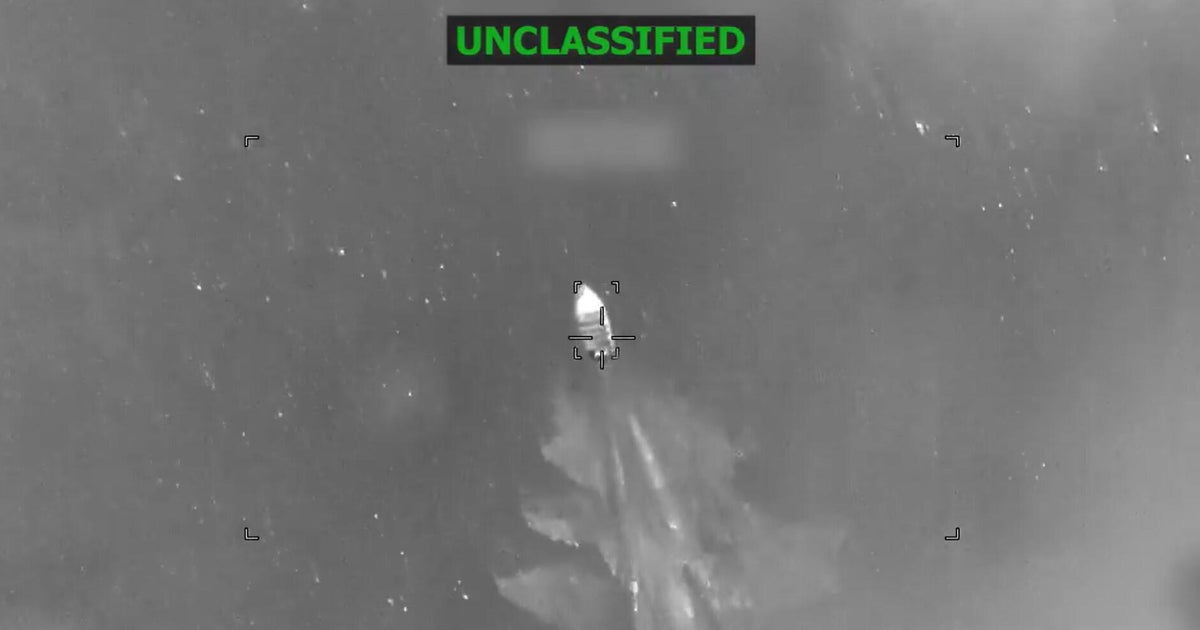
The United States military conducted yet another deadly operation on Tuesday, targeting a vessel in the eastern Pacific Ocean that officials claimed was involved in drug trafficking activities. According to U.S. Southern Command, three men lost their lives in what military leadership described as a “lethal kinetic strike.” The commander of U.S. Southern Command, General Francis L. Donovan, personally authorized the attack on the boat, which the military alleged was operated by designated terrorist organizations engaged in narco-trafficking operations. However, the command provided no supporting evidence for these claims, though they did release unclassified video footage of the strike itself. This attack followed closely on the heels of another similar operation just one day earlier in the Caribbean Sea, where U.S. forces struck what they described as another drug boat, resulting in two deaths. These consecutive strikes represent just the latest incidents in what has become an increasingly controversial military campaign targeting vessels throughout Latin American waters.
A Campaign That Has Claimed Nearly 200 Lives
Since early September, the Trump administration has been conducting an aggressive campaign of destroying vessels suspected of drug trafficking in waters around Latin America, and the human cost has been staggering. According to Pentagon figures, these strikes have resulted in at least 190 deaths in total. What makes this campaign particularly concerning to observers and critics is the lack of transparency surrounding it. The military has not provided concrete evidence that any of the targeted vessels were actually carrying drugs or that the people killed were indeed involved in narcoterrorism, as the administration claims. Despite the United States becoming increasingly engaged in other international conflicts, including a war with Iran, these strikes in Latin American waters have actually intensified in recent weeks rather than diminishing. This suggests that the administration remains firmly committed to what it characterizes as an essential fight against “narcoterrorism” in the Western Hemisphere, regardless of other military priorities or international obligations.
Context of Expanding Military Presence in the Region
The naval strikes are taking place against a backdrop of significantly increased U.S. military activity throughout Latin America. The United States has established its largest military presence in the region in generations, marking a dramatic shift in how American forces are being deployed in the Western Hemisphere. This military buildup preceded and likely facilitated the dramatic January raid that resulted in the capture of then-Venezuelan President Nicolás Maduro. Following his capture, Maduro was transported to New York to face drug trafficking charges, to which he has pleaded not guilty. The timing and scale of these military operations suggest a coordinated strategy by the Trump administration to exert more direct military pressure on what it perceives as narcoterrorism threats in America’s hemisphere. The boat strikes appear to be just one component of this broader military strategy, which represents a significant escalation in how the United States approaches the complex issues of drug trafficking and political instability in Latin America.
The Reality of the Strikes: Little Evidence, Maximum Force
In Tuesday’s deadly incident, U.S. Southern Command maintained that it had specifically targeted alleged drug traffickers operating along known smuggling routes in the eastern Pacific. The military posted dramatic video footage on social media platform X showing a boat moving through the water before being engulfed in a massive explosion that left the vessel completely consumed by flames. This footage, while visually striking, represents the full extent of evidence that the military has provided to justify these lethal operations. The pattern has been consistent across all the strikes: military officials announce they’ve targeted drug traffickers or narcoterrorists, release video of the destruction, but provide no intelligence, intercepted communications, cargo manifests, or any other documentation that would verify the vessels were actually engaged in illegal activities. This lack of substantiating evidence has become increasingly problematic as the death toll rises and questions about the legal and moral justification for these attacks intensify.
Presidential Justification and the “Armed Conflict” Framework
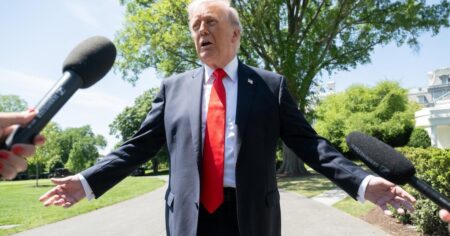
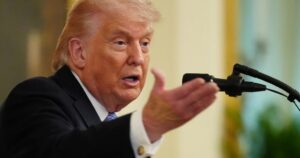
President Trump has been vocal in his support for these aggressive military operations, framing them as a necessary response to a national security crisis. He has gone so far as to declare that the United States is in “armed conflict” with drug cartels operating in Latin America. According to the President, this escalation in military tactics is essential to stopping the flow of illegal drugs into the United States and preventing the fatal overdoses that have claimed tens of thousands of American lives in recent years. The administration’s position is that traditional law enforcement approaches to drug interdiction have proven insufficient, and that treating cartels as enemy combatants in an armed conflict justifies the use of lethal military force without the due process that would typically be required in law enforcement operations. However, despite this strong rhetorical stance, the Trump administration has offered remarkably little concrete evidence to support its claims that the people being killed in these strikes are actually “narcoterrorists” or even drug traffickers. This gap between the administration’s justifications and the evidence it has provided has become a central point of controversy surrounding the campaign.
Growing Concerns Over Legality and Accountability
As the strikes continue and the body count rises, critics have raised increasingly serious questions about the overall legality of these military operations. International law experts, human rights organizations, and some lawmakers have questioned whether the United States has the legal authority to conduct what amount to extrajudicial killings in international waters or the territorial waters of other nations without declaring war or obtaining proper authorization. The designation of drug traffickers as “terrorists” operating for “Designated Terrorist Organizations” appears to be the legal mechanism the administration is using to justify treating these strikes as counter-terrorism operations rather than law enforcement actions, but this characterization has not been independently verified. Furthermore, the lack of evidence provided for each strike makes it impossible for outside observers to assess whether the targets were legitimate military objectives or whether innocent civilians might be among the dead. The absence of any apparent judicial review, congressional oversight, or international coordination surrounding these strikes raises fundamental questions about accountability and the rule of law. As the campaign continues with no signs of slowing down, these legal and ethical concerns are likely to intensify, potentially creating diplomatic friction with Latin American countries and undermining America’s credibility on issues of international law and human rights.