


Ryanair Warns of Potential Jet Fuel Disruptions Due to Middle East Conflict
Rising Tensions Threaten Aviation Industry Supply Chains
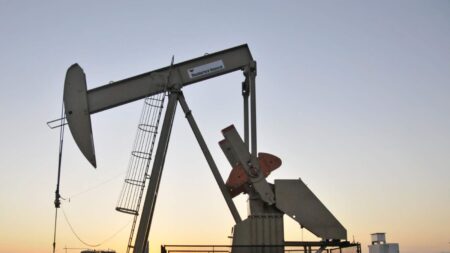
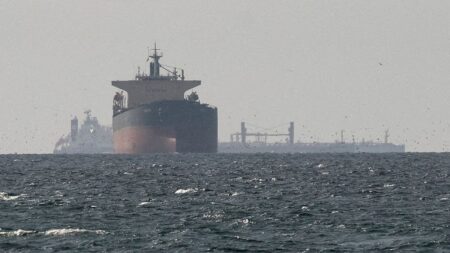
The aviation industry is facing a potential crisis as escalating tensions in the Middle East threaten to disrupt jet fuel supplies across Europe. Michael O’Leary, the outspoken chief executive of Ryanair, Europe’s largest low-cost carrier, has issued a stark warning that fuel supplies could face significant disruption as early as May if the ongoing conflict in the region continues. The situation has been exacerbated by Iran’s strategic blockade of the Strait of Hormuz, a critical shipping passage through which a substantial portion of the world’s oil supplies typically transit. This waterway has historically been one of the most important chokepoints for global energy supplies, and its closure has sent shockwaves through international markets. Since the conflict erupted at the end of February, oil prices have experienced dramatic increases, creating a ripple effect throughout the global economy and particularly impacting industries heavily dependent on petroleum products, such as aviation.
Financial Impact on Airlines and Fuel Hedging Strategies
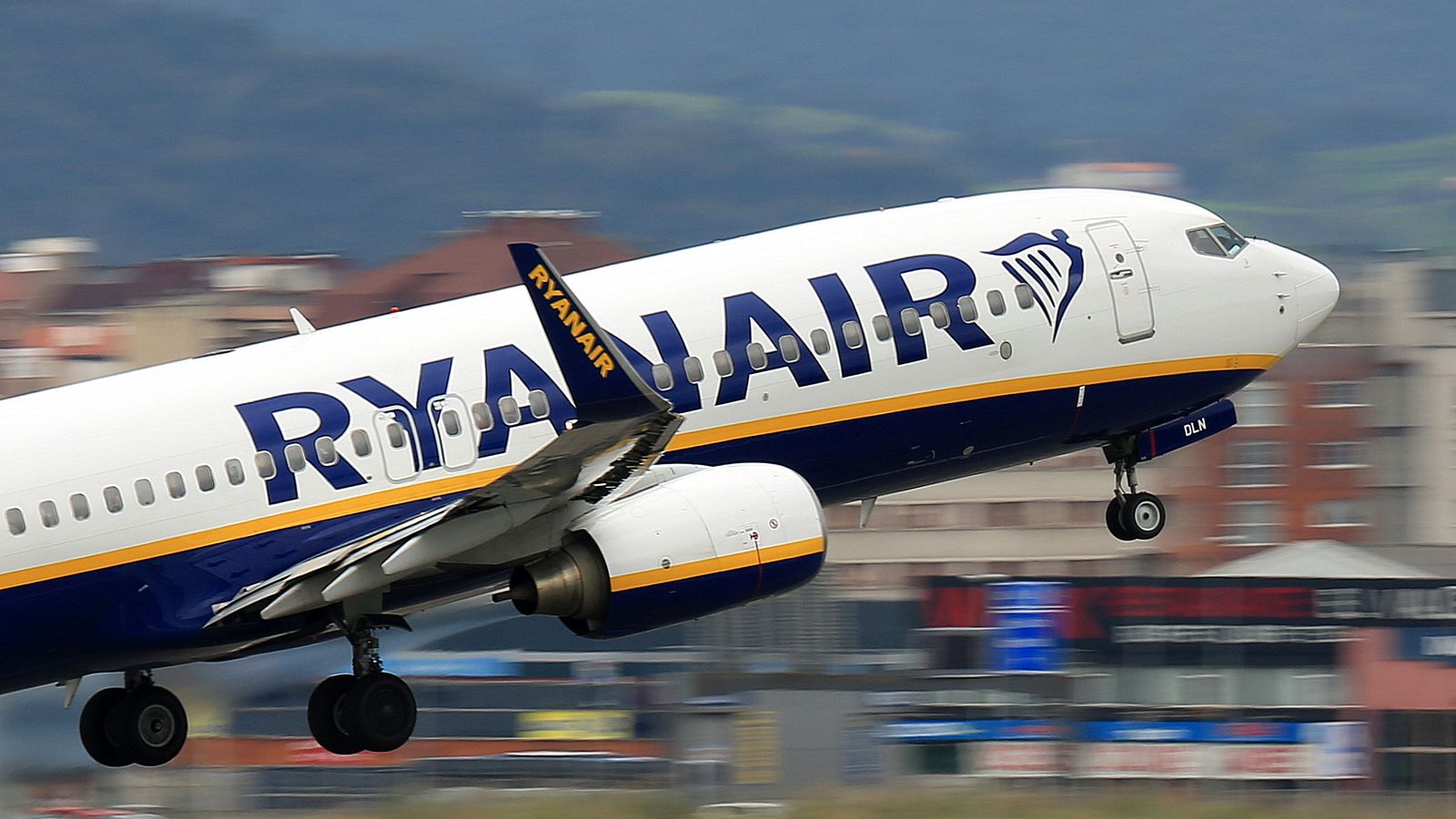
In a revealing interview with Sky News presenter Wilfred Frost, O’Leary provided insight into how the crisis is affecting Ryanair’s operations and bottom line. The airline executive explained that while Ryanair has taken protective measures by hedging approximately 80% of its fuel requirements—a common industry practice that involves locking in prices in advance to protect against market volatility—the remaining 20% of unhedged fuel is costing the company nearly double what they typically pay. Currently, that unhedged portion is running at approximately $150 per barrel, a significant increase from pre-conflict levels. This substantial price spike demonstrates the immediate financial pressure airlines are facing, even those with relatively robust hedging strategies in place. For airlines with less comprehensive hedging programs, the situation is even more dire. The fuel hedging approach, while not eliminating risk entirely, has provided Ryanair with some buffer against the worst of the price volatility, but it’s a temporary shield that will eventually expire, leaving the airline exposed to whatever market conditions prevail when new contracts must be negotiated.
Supply Disruption Concerns Overshadow Price Increases
While the rising cost of aviation fuel is certainly a significant concern for airlines and will inevitably impact ticket prices for consumers, O’Leary emphasized that the more pressing and immediate worry is the potential for actual supply disruptions. Price increases, though painful, can be managed and passed along to consumers to some extent, but a shortage of jet fuel itself presents an entirely different and more serious challenge that could ground aircraft regardless of an airline’s willingness to pay premium prices. According to O’Leary, fuel suppliers are continuously monitoring the evolving situation in the Middle East and adjusting their projections accordingly. The Ryanair chief executive indicated that while the airline doesn’t anticipate any immediate disruptions to fuel availability, the timeline becomes more precarious as we move into early May. If the conflict persists beyond April without a resolution that allows the Strait of Hormuz to reopen for normal shipping traffic, European airlines could face supply shortages during May and June—a particularly problematic timeframe as it coincides with the beginning of the peak summer travel season when demand for flights typically surges and airlines operate at near-maximum capacity to capitalize on vacation travel.
Risk Assessment and Industry-Wide Implications
O’Leary provided a measured assessment of the risk level, estimating that somewhere between 10% and 25% of Ryanair’s fuel supplies could potentially be at risk during the critical May and June period if the conflict continues unabated. While this might seem like a relatively modest percentage, in an industry operating on thin margins and tight schedules, even a 10% supply disruption could have cascading effects throughout the network, potentially forcing difficult decisions about route cancellations, frequency reductions, or other operational adjustments. The Ryanair boss emphasized that everyone in the aviation industry is hoping for a swift conclusion to the conflict, as the uncertainty makes long-term planning extremely difficult and puts pressure on an industry still recovering from the unprecedented challenges of recent years. The situation underscores the vulnerability of modern aviation to geopolitical events and the complex global supply chains upon which the industry depends. However, O’Leary expressed cautious optimism that if the conflict concludes by April and normal shipping resumes through the Strait of Hormuz, the risk to fuel supplies would be essentially eliminated, allowing airlines to return to normal operations without the looming threat of fuel shortages disrupting summer travel plans for millions of passengers.
Ryanair’s Operational Resilience and Competitive Position
Despite the concerning outlook regarding fuel supplies and prices, O’Leary struck a confident tone regarding Ryanair’s operational resilience in the face of these challenges. He stated emphatically that the airline does not expect to cancel any flights due to fuel supply issues, differentiating Ryanair from some of its competitors who may not be as well-positioned to weather the crisis. This assertion reflects Ryanair’s historically robust operational model, which emphasizes efficiency, cost control, and strategic planning to maintain service reliability even during challenging periods. The airline’s substantial hedging program and strong supplier relationships appear to provide a competitive advantage during this crisis, potentially allowing Ryanair to maintain its flight schedule while competitors might be forced to make more drastic adjustments. This operational continuity is crucial not only for the airline’s financial performance but also for maintaining customer confidence and loyalty during uncertain times. Airlines that can demonstrate reliability when others are canceling flights often gain market share and strengthen their competitive position for the long term.
Consumer Impact and Industry Outlook for Summer Travel
The implications of this developing crisis extend far beyond airline boardrooms and will ultimately be felt by consumers planning summer travel. EasyJet’s chief executive, Kenton Jarvis, has already indicated that European travelers should brace themselves for higher ticket prices, particularly toward the end of summer when current fuel hedging contracts expire and airlines are forced to purchase fuel at prevailing market rates, which are likely to remain elevated as long as Middle Eastern tensions persist. This means that families and travelers who have been looking forward to post-pandemic travel opportunities may face sticker shock when booking flights, potentially dampening demand or forcing consumers to reconsider travel plans or opt for shorter, closer-to-home destinations. The situation highlights the complex interplay between geopolitical events, energy markets, and consumer behavior. As airlines navigate these choppy waters, they face the delicate balance of protecting their financial viability through necessary price increases while remaining competitive and accessible to price-sensitive consumers. The coming weeks will be critical in determining whether this situation evolves into a full-blown crisis requiring dramatic industry adjustments or whether diplomatic efforts can resolve the conflict and restore normal operations to this vital shipping corridor, allowing airlines and travelers alike to proceed with summer plans without major disruption.