


U.S. Military Escalates Drug War with Deadly Naval Strikes in Latin American Waters
A Controversial Campaign Claims More Lives
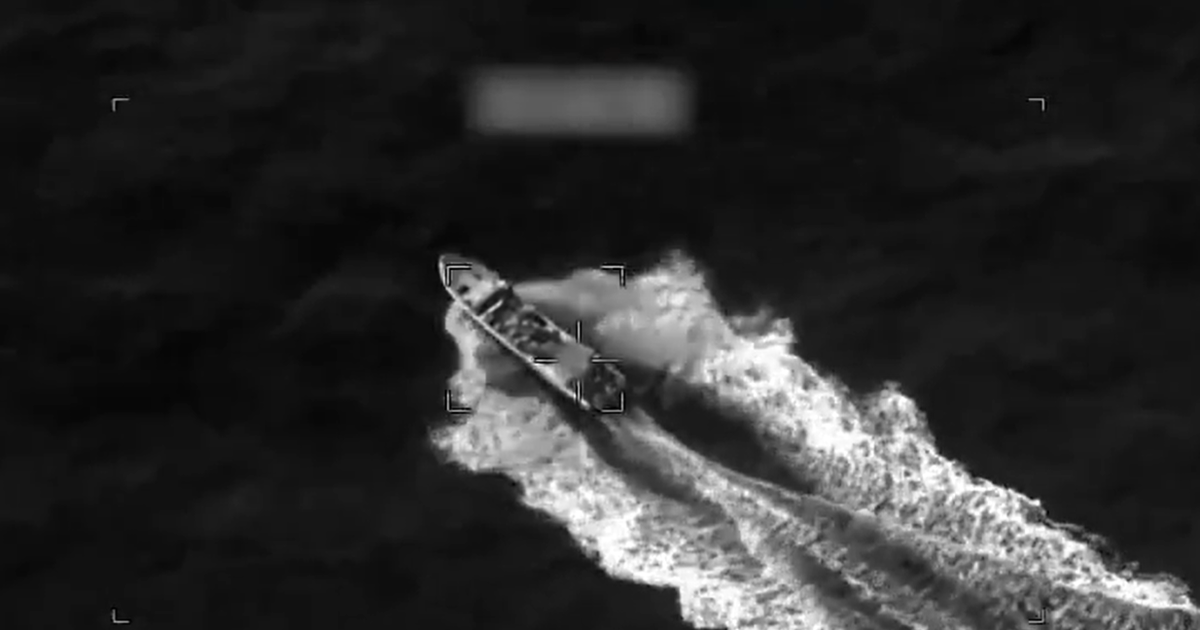
The waters of the eastern Pacific Ocean became the scene of another deadly military operation this past Sunday when U.S. forces struck a vessel suspected of transporting illegal drugs, resulting in three more fatalities. This incident marks the latest chapter in an aggressive and increasingly controversial military campaign that began last September under the Trump administration. U.S. Southern Command, which oversees American military operations in Latin America and the Caribbean, announced the strike through social media, sharing dramatic video footage that showed a speedboat racing across the water before being engulfed in a fiery explosion. The grainy footage, designed to demonstrate the precision and success of the operation, has instead sparked renewed debate about the methods, legality, and human cost of America’s evolving approach to combating drug trafficking in the Western Hemisphere.
What makes this particular military strategy so alarming is the scale of casualties involved and the troubling lack of transparency surrounding these operations. Since the campaign began in early September, at least 186 people have been killed in similar strikes across both the eastern Pacific Ocean and the Caribbean Sea. These aren’t isolated incidents but part of a coordinated military effort that represents the largest U.S. military buildup in Latin America in generations. The vessels targeted have ranged across known drug smuggling routes, with U.S. forces using advanced surveillance technology and weapons systems to identify and destroy boats suspected of carrying narcotics. However, despite the significant loss of life and the military resources devoted to this campaign, the Pentagon has not publicly provided concrete evidence that any of the destroyed vessels were actually carrying drugs at the time they were struck, raising serious questions about due process, rules of engagement, and the possibility of tragic mistakes.
Questions of Evidence and Transparency
The lack of verifiable evidence regarding these strikes has become a central point of concern for human rights advocates, legal scholars, and international observers. When CBS News pressed U.S. Southern Command about a previous strike in the eastern Pacific that killed two men, seeking information about the intelligence and evidence that justified the attack, the military’s response was revealing in its vagueness. A spokesperson cited “operational security reasons” as justification for refusing to discuss “specific sources or methods” used to identify targets. While protecting sensitive intelligence capabilities is a legitimate national security concern, critics argue that this blanket secrecy prevents any meaningful oversight or accountability for operations that are essentially functioning as extrajudicial killings. Without transparency about the evidence used to identify vessels as drug traffickers, there’s no way for the public, Congress, or international bodies to verify whether those killed were actually involved in criminal activity or were innocent fishermen, migrants, or others who happened to be in the wrong place at the wrong time.
The timing and context of these operations add another layer of complexity to an already controversial military campaign. The strikes intensified in the months leading up to January’s dramatic raid that resulted in the capture of Venezuelan President Nicolás Maduro, who was subsequently transported to New York to face federal drug trafficking charges. Maduro has pleaded not guilty to these charges, but his arrest represented an unprecedented escalation in U.S. intervention in Latin American affairs. The connection between the naval strikes and this broader regional strategy suggests that the boat destruction campaign may be part of a larger effort to destabilize drug trafficking networks and demonstrate American resolve in the region. After a brief lull following Maduro’s capture, the campaign has “ramped up again in recent weeks,” according to military sources, with at least eight separate boat strikes occurring in the Caribbean and eastern Pacific just this month alone, indicating that this approach has become a sustained feature of U.S. counter-narcotics policy rather than a temporary tactical measure.
Presidential Justification and Legal Controversies
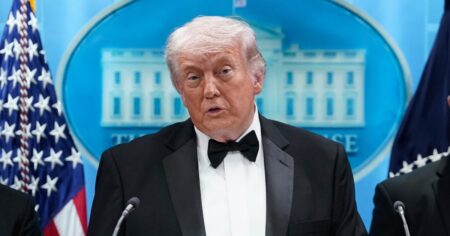
President Trump has been unequivocal in his defense of these aggressive military operations, framing them within a dramatic rhetorical framework that fundamentally redefines America’s relationship with drug cartels. The President has explicitly stated that the United States is in “armed conflict” with drug cartels operating in Latin America, a characterization that carries profound legal and practical implications. By using the language of warfare rather than law enforcement, the administration appears to be claiming broader authority to use lethal military force without the constraints that would typically apply to civilian law enforcement operations or even traditional military engagements with recognized nation-states. Trump has justified the boat strikes as a “necessary escalation” in the long-standing effort to stem the flow of illegal drugs into American communities, arguing that conventional approaches have failed and that the drug crisis killing tens of thousands of Americans annually demands more assertive action, even if that means destroying vessels and killing suspected traffickers in international waters.
However, this justification has not gone unchallenged. Legal experts, human rights organizations, and some members of Congress have raised serious questions about the overall legality of the boat strikes under both domestic and international law. The concerns operate on multiple levels: First, there’s the question of whether the President has the constitutional authority to order what amounts to a sustained military campaign without a formal declaration of war or specific congressional authorization. Second, international maritime law and the laws of war impose strict limitations on when lethal force can be used, typically requiring that targets pose an imminent threat and that force be proportional to that threat. Destroying vessels suspected of carrying drugs, with no apparent effort to interdict, board, or arrest those aboard, may violate these established legal principles. Third, the strikes appear to be taking place in international waters or possibly in the territorial waters of other sovereign nations, raising questions about whether the U.S. is violating the sovereignty of Latin American countries. Finally, the lack of transparency and evidence makes it impossible to determine whether adequate measures are being taken to distinguish between actual drug traffickers and innocent civilians, a fundamental requirement under the laws of armed conflict.
The Human Cost and Regional Impact
Behind the statistics and policy debates are real human lives lost, families devastated, and communities affected by this military campaign. The 186 people killed since September weren’t abstractions or statistics—they were individuals, some possibly involved in drug trafficking but others potentially innocent fishermen, boat crew members working under duress, or even migrants attempting dangerous ocean crossings. The lack of information about who was killed, where they came from, and what evidence existed against them compounds the tragedy. In many cases, families may never know what happened to their loved ones, whether they were targeted deliberately or were simply collateral damage in America’s war on drugs. The psychological impact on coastal communities throughout Latin America, where residents now live with the knowledge that boats in their waters might be destroyed without warning, cannot be understated. Fishermen, who often use similar vessels and travel the same routes as suspected smugglers, must now conduct their livelihoods under the shadow of potential military strikes.
The regional diplomatic implications of this campaign are equally significant and potentially destabilizing. Latin American nations have long had complicated relationships with U.S. counter-narcotics efforts, often viewing them as heavy-handed interventions that undermine sovereignty while failing to address the root causes of drug production and trafficking. The boat strikes, particularly if they’re occurring in or near the territorial waters of countries like Colombia, Panama, or the various Caribbean nations, could severely damage diplomatic relations and cooperation on other security issues. Some regional leaders have remained conspicuously silent about the strikes, possibly out of fear of antagonizing Washington or because they privately support aggressive action against traffickers. Others have expressed concern about the precedent being set and what it means for international norms. The capture of Nicolás Maduro, while celebrated by some as accountability for a corrupt regime, has also raised fears among other Latin American leaders about the extent of American willingness to intervene directly in regional affairs. This climate of uncertainty and military assertiveness may ultimately undermine the international cooperation that’s essential for effective long-term solutions to drug trafficking, as countries become more defensive about their sovereignty and less willing to share intelligence or coordinate operations with U.S. forces.
Looking Ahead: Policy, Accountability, and Alternative Approaches
As this controversial military campaign continues and potentially expands, fundamental questions about American drug policy, the use of military force, and international law remain unresolved. The Trump administration’s approach represents a significant departure from previous strategies, which typically emphasized interdiction, arrest, prosecution, and cooperation with partner nations rather than the summary destruction of vessels and killing of suspected traffickers. Whether this escalation will prove effective in reducing drug flows into the United States remains unclear, as most experts believe that as long as demand remains high in American markets, traffickers will find alternative routes and methods, making the deadly naval strikes a potentially futile exercise that costs lives without solving the underlying problem. The lack of publicly available metrics about whether drug seizures have increased, prices have risen, or availability has decreased since the campaign began makes it impossible to evaluate whether the strategy is achieving its stated objectives or simply creating new problems while failing to address the old ones.
Moving forward, there are urgent calls for greater transparency, accountability, and congressional oversight of these military operations. Lawmakers from both parties should demand detailed briefings about the legal justifications, rules of engagement, targeting procedures, and effectiveness measures being used in the boat strike campaign. Independent investigations into specific incidents where questions have been raised about the evidence or appropriateness of force could help ensure accountability and prevent future mistakes. More broadly, this moment offers an opportunity to reconsider America’s entire approach to the drug problem, potentially shifting resources from military interdiction efforts that have shown limited long-term success toward demand reduction, treatment, harm reduction, and addressing the economic conditions in Latin America that make drug trafficking attractive to impoverished communities. The 186 lives lost since September should prompt serious reflection about whether the current path is sustainable, legal, or effective—and whether there might be better ways to address the complex challenge of drug trafficking that don’t involve raining missiles down on boats in international waters, killing people who may or may not be guilty of any crime, and doing so without transparency, accountability, or clear evidence of success.