


The Tampa Bay Tragedy: A Heartbreaking Case of Missing Doctoral Students
Discovery of Human Remains in Tampa Bay Waters
In a deeply troubling development that has shaken the Tampa Bay community, authorities have discovered human remains in the local waterways during their intensive search for Nahida Bristy, a 27-year-old doctoral student from the University of Florida who has been missing since mid-April. The Hillsborough County Sheriff’s Office made the somber announcement late Sunday evening, though the remains found in Pinellas County, specifically near the intersection of Interstate 275 and 4th Street North on the St. Petersburg side of the Howard Frankland Bridge, have not yet been officially identified. This discovery comes as investigators work tirelessly to piece together what appears to be a tragic double homicide that has left two promising young scholars presumed dead and their families devastated. The location of the discovery is particularly significant as it’s in the same general area where other evidence related to this case has been found, suggesting a pattern in how the suspect may have attempted to conceal his alleged crimes.
The Victims: Two Young Lives Cut Short
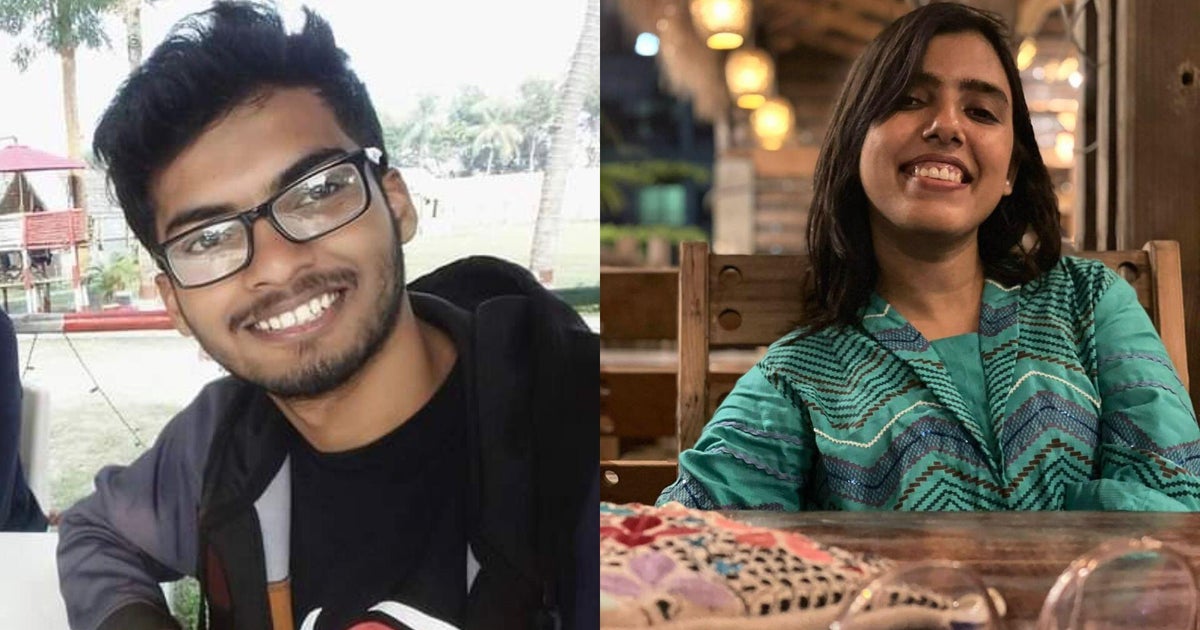
Nahida Bristy and Zamil Limon were both 27-year-old doctoral students pursuing their academic dreams in the Tampa area when they mysteriously disappeared on April 16. These weren’t just statistics or case numbers – they were real people with families who loved them, friends who cherished them, and bright futures ahead of them. Both were working toward advanced degrees, representing the kind of dedication and intelligence that makes a difference in the world. The University of South Florida Police Department initially reported their disappearance, sparking immediate concern among their academic community and families. Tragically, Limon’s remains were discovered on Friday near a Tampa bridge, and now investigators fear that Bristy met a similar fate. The loss of these two young scholars has sent shockwaves through the academic community, reminding everyone how fragile life can be and how quickly promising futures can be stolen away. Their families, who have been cooperating with authorities throughout this ordeal, now face the unimaginable pain of losing loved ones in such a violent and senseless manner.
The Suspect and Disturbing Digital Evidence
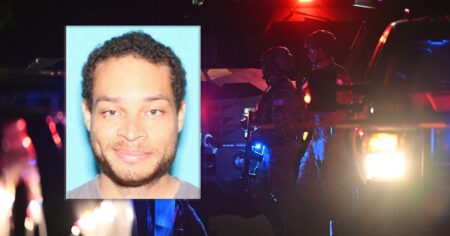
Twenty-six-year-old Hisham Abugharbieh, who was Limon’s roommate, was arrested on Saturday and now faces two counts of premeditated first-degree murder with a weapon. He is currently being held without bond as prosecutors build their case against him. What makes this case particularly chilling is the evidence revealed in court documents released on Sunday, which paint a picture of calculated planning and cold-blooded execution. According to investigators, Abugharbieh allegedly turned to artificial intelligence – specifically ChatGPT – in the days leading up to the students’ disappearance, asking the AI chatbot deeply disturbing questions about how to dispose of a body. On April 13, just three days before the victims went missing, he allegedly asked what would happen if someone was “put in a black garbage bag and thrown in dumpster.” When the AI responsibly indicated this sounded dangerous, the suspect allegedly pressed further, asking “How would they find out.” This digital trail has become a crucial piece of evidence, showing not only intent but premeditation. The suspect is currently being represented by a public defender, and CBS News has attempted to reach out for comment but has not received a response. His next court appearance is scheduled for Tuesday.
The Grim Details of the Investigation
The investigation has uncovered horrifying details that speak to the brutality of these alleged crimes. When Limon’s body was discovered on the Howard Frankland Bridge, which spans part of Tampa Bay, it was found wrapped in multiple black utility trash bags and was already in advanced stages of decomposition. An autopsy conducted by the Pinellas County Medical Examiner’s Office revealed that Limon had sustained numerous lacerations and stab wounds, with the manner of death officially ruled as homicide due to “multiple sharp force injuries.” Prosecutors believe that Bristy was “disposed of in a similar way,” which makes the recent discovery of remains in the waterway all the more significant. The court documents also reveal that on April 15, the day before the students disappeared, Abugharbieh allegedly asked ChatGPT additional incriminating questions, including whether a VIN number on a car could be changed and whether someone could keep a gun at home without a license. These queries suggest he was thinking through multiple aspects of committing and covering up serious crimes.
Physical and Digital Evidence Pointing to the Crime Scene
The timeline constructed by investigators through phone records and other digital evidence is particularly damning. Just after midnight on April 17, the day after the students went missing, court documents indicate that Abugharbieh asked ChatGPT whether cars are “checked at the Hillsborough River state park,” a location northeast of Tampa. That same night, his phone pinged at the exact location on the bridge where Limon’s remains were later discovered, placing him at the scene during what investigators believe was when he was disposing of the body. When detectives searched the apartment that Limon and Abugharbieh shared, they used specialized “enhancement agents” that revealed extensive blood evidence throughout the residence. The blood patterns were found from the entry foyer, through the kitchen, into the hallway, and into the suspect’s bedroom. Most disturbingly, the blood in the bedroom formed “two distinct patterns on the floor which appeared to have a relatively human-sized shape,” suggesting that at least one, if not both, victims may have died or been wrapped for disposal in that location. Additionally, investigators noted that Abugharbieh himself had numerous lacerations on his body, including on both his left and right legs, which could indicate a violent struggle or self-inflicted injuries during the commission of the crimes.
The Broader Implications and Community Impact
This tragic case raises numerous questions about safety, the misuse of artificial intelligence, and the vulnerability of students living in shared housing situations. While ChatGPT and similar AI platforms are designed with safety features that recognize and respond to concerning queries, this case demonstrates how someone with malicious intent might attempt to use technology to plan crimes. It’s a sobering reminder that as technology advances, we must continue to think critically about its potential misuse while recognizing that the technology itself appropriately flagged the dangerous nature of the questions being asked. For the Tampa Bay community and the broader academic world, this case represents a profound loss of two bright young minds who were working toward making positive contributions to society. Doctoral students invest years of their lives in rigorous study and research, often making significant personal sacrifices to advance knowledge in their fields. The fact that these two individuals were allegedly murdered by someone they knew and trusted enough to share living space with makes the tragedy even more heartbreaking. As the investigation continues and the legal process unfolds, the families of Nahida Bristy and Zamil Limon are left to grieve and search for answers about why their loved ones were taken from them in such a violent manner. The community awaits the formal identification of the remains found in Tampa Bay waters, hoping to bring closure to at least one family while holding out diminishing hope that somehow the unidentified remains might not be those of Bristy, though all evidence suggests otherwise. This case will likely continue to develop as prosecutors prepare for trial and as the full scope of what happened to these two promising students comes to light.