


Senator Mullin Walks Back Comments on Fatal Police Shootings During Confirmation Hearing
Controversial Remarks Come Under Scrutiny
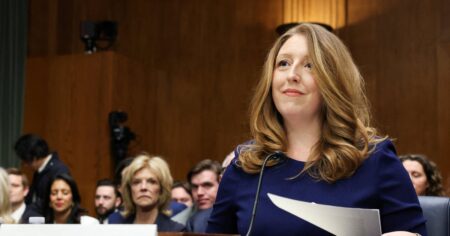
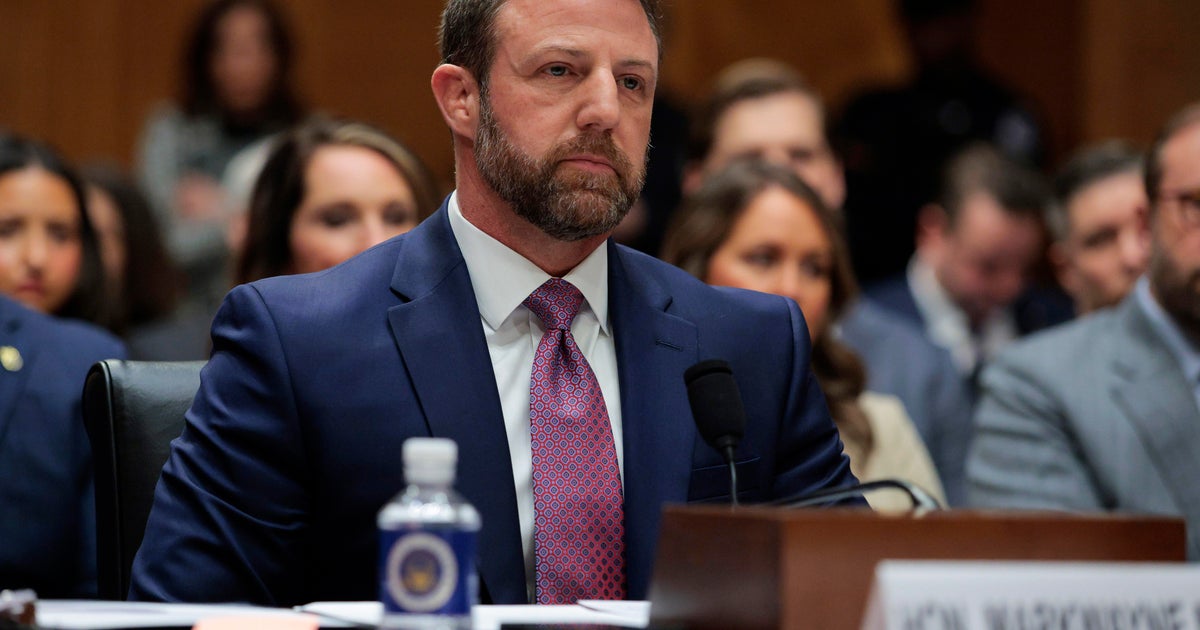
Senator Markwayne Mullin found himself in the hot seat Wednesday during his confirmation hearing to lead the Department of Homeland Security, facing pointed questions about inflammatory comments he made regarding civilians killed by federal agents. President Trump’s nominee to replace Kristi Noem appeared before the Senate Homeland Security and Governmental Affairs Committee, where he was forced to address his description of Alex Pretti as “a deranged individual” following Pretti’s fatal shooting by Customs and Border Patrol agents in south Minneapolis. The hearing revealed a pattern of premature judgment by Mullin, who made definitive statements about the incident on Fox News before all facts were known. Senator Gary Peters of Michigan led the charge in questioning Mullin’s readiness to lead such a critical department, specifically challenging whether the American public should expect similar “quick” and potentially inaccurate comments from him as secretary. The exchange highlighted concerns about leadership temperament and the importance of measured responses from officials in positions of significant authority, especially when dealing with matters of life and death.
Acknowledgment of Error Without Full Apology
Under persistent questioning, Mullin eventually conceded that his words were inappropriate, stating “Those words probably should have been retracted. I shouldn’t have said that.” When pressed further about his hasty characterization of Pretti, he admitted, “I responded immediately without the facts. That’s my fault, that won’t happen again as secretary.” This acknowledgment represents a significant moment in the confirmation process, as nominees rarely admit to such clear errors in judgment. However, Mullin’s contrition had its limits. Despite admitting his mistake in making premature statements, he stopped short of offering a direct apology to Pretti’s family, citing an ongoing investigation as his reason for withholding further comment. This partial walk-back satisfied neither critics nor the family of the deceased, who have been seeking accountability and answers. The situation is further complicated by the nature of Mullin’s original comments, which weren’t merely premature but actively painted the victim in a negative light that has been contradicted by video evidence from the scene and witness testimony, raising questions about whether Mullin was speaking carelessly or pushing a particular narrative.
Questions About the Investigation’s Credibility
The investigation that Mullin cited as his reason for not fully apologizing has itself become a point of controversy and concern among senators and justice reform advocates. Multiple sources informed CBS News that the probe does not involve federal prosecutors from the Department of Justice’s Civil Rights Division who typically specialize in cases involving excessive force by law enforcement. This absence is significant because it suggests the investigation may not be examining potential civil rights violations, which are central to many community concerns about the shooting. Mullin admitted during the hearing, “I haven’t seen the investigation,” adding that “We’ll let the investigation go through, and if I’m proven wrong, then I will, absolutely” – presumably referring to a potential future apology. This conditional stance troubled many observers who noted that video evidence and witness accounts already contradicted the “deranged individual” characterization. The structure of the investigation itself has raised red flags, with Minnesota officials reportedly being cut out from accessing case material in a federal probe that has focused on the incident as an assault on a federal officer rather than as a potential civil rights issue, suggesting a predetermined narrative that may not seek the full truth.
Pattern of Premature Judgment Emerges
The hearing revealed that Mullin’s problematic comments weren’t limited to a single incident. Senator Richard Blumenthal of Connecticut questioned Mullin about another shooting involving Renee Good, where Mullin had previously stated in a CNN interview that her shooting was “absolutely” justified. When asked whether he regretted making such a definitive statement, Mullin notably did not express regret, instead telling Blumenthal, “Senator, it’s very clear than an officer had to make a split decision in that case.” He again cited an ongoing investigation, though when Blumenthal pressed him on whether such an investigation actually exists, Mullin could only respond, “my understanding is that there is. I will find out if I’m able to get confirmed.” This uncertainty about basic facts surrounding cases he had already publicly commented on with such certainty further undermined confidence in his judgment and readiness for the position. The pattern suggests a tendency to immediately side with law enforcement narratives without waiting for complete information or considering alternative perspectives – a concerning trait for someone who would oversee major federal law enforcement agencies and set the tone for accountability and civil rights protections within the Department of Homeland Security.
Internal Justice Department Dissent
The handling of these investigations has sparked significant internal dissent within the Department of Justice itself, adding another layer of controversy to Mullin’s nomination. Several career prosecutors at both the Department of Justice and the Minneapolis U.S. Attorney’s office disagreed with the direction and focus of the investigation into the shootings. Their concerns were serious enough that they resigned from their positions rather than continue working on cases they viewed as improperly framed. The fact that experienced federal prosecutors felt compelled to resign over these matters speaks volumes about the integrity concerns surrounding how these incidents have been investigated. These prosecutors likely saw the decision to frame the investigation around assault on a federal officer rather than potential civil rights violations as a fundamental mischaracterization that would prevent justice from being served. Their departures represent a loss of institutional knowledge and experience, but also serve as a form of protest against what they perceived as a predetermined outcome. This internal resistance raises serious questions about whether Mullin, who has already shown his willingness to prejudge these situations publicly, would create an environment at DHS that values truth-seeking and accountability or one that reflexively defends federal agents regardless of circumstances.
Implications for Leadership and Accountability
Mullin’s confirmation hearing has crystallized broader concerns about accountability, transparency, and leadership temperament in federal law enforcement agencies. His admission that he “responded immediately without the facts” is refreshing in its honesty but deeply troubling in its implications. The Department of Homeland Security oversees numerous law enforcement agencies, including Customs and Border Protection, Immigration and Customs Enforcement, and the Secret Service. The secretary’s public statements carry enormous weight, influencing not only public perception but potentially affecting investigations, prosecutions, and the morale and behavior of thousands of federal agents. A secretary who rushes to judgment, particularly in ways that appear to prejudge investigations in favor of federal agents, risks creating a culture of impunity where agents feel protected regardless of their actions. While Mullin’s promise that “that won’t happen again as secretary” offers some reassurance, his refusal to more fully acknowledge the harm caused by his statements and his continued hedging on the Renee Good case suggest the lesson may not have been fully learned. As the Senate weighs his confirmation, senators must consider whether his acknowledgment of past mistakes is sufficient evidence of growth, or whether his pattern of premature, inflammatory statements reveals a fundamental approach to law enforcement accountability that is incompatible with the leadership role he seeks. The families of those killed deserve better than conditional apologies tied to investigation outcomes, and the American public deserves a DHS secretary who understands that measured, fact-based responses aren’t just preferable – they’re essential to maintaining public trust and ensuring justice.