


TSA’s “Shoes-On” Policy Faces Mounting Congressional Pressure Over Security Concerns
Senator Demands Immediate Policy Reversal Amid Safety Warnings
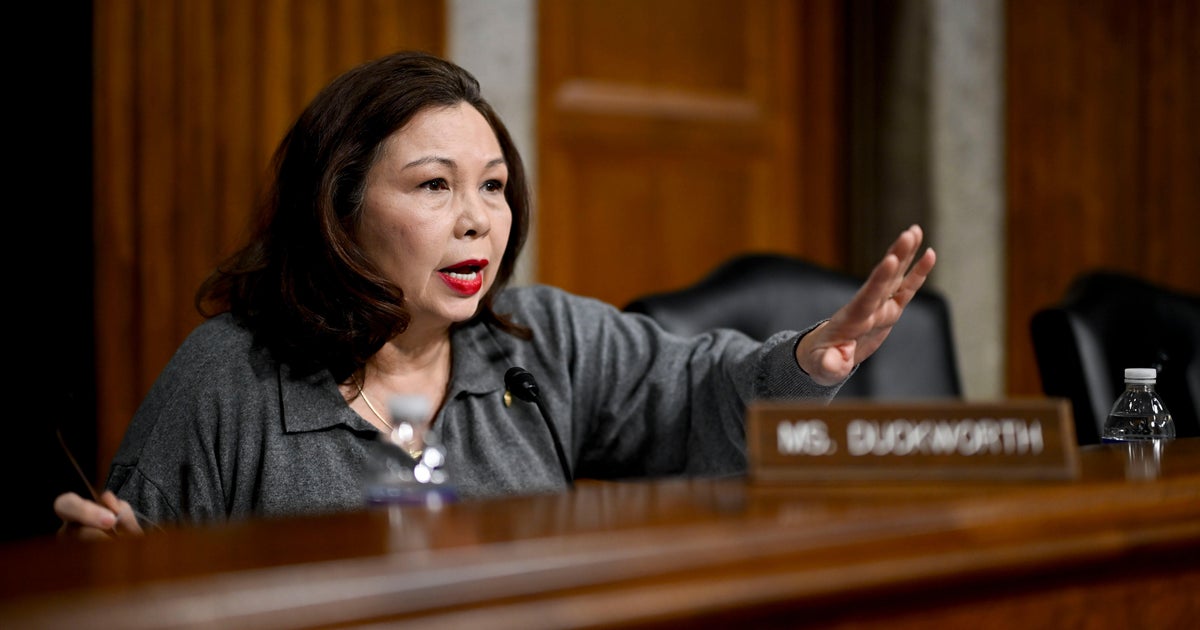
The Transportation Security Administration is facing intense scrutiny from Capitol Hill after a key senator called for the immediate reversal of a controversial policy allowing airline passengers to keep their shoes on during security screening. Senator Tammy Duckworth of Illinois, who holds a senior position on the Senate subcommittee responsible for aviation oversight, has issued a forceful demand that TSA abandon what she characterizes as a “reckless” policy change that potentially endangers millions of travelers. In a letter exclusively obtained by CBS News, the Democratic senator minced no words in her assessment of the situation, describing the agency’s handling of known security vulnerabilities as “outrageous, unacceptable and dangerous to the flying public.” Her intervention represents the first direct congressional call to overturn the policy and comes after months of growing concerns about vulnerabilities in the nation’s airport security infrastructure. The senator’s letter underscores a deepening rift between lawmakers focused on transportation security and an administration that critics say prioritized traveler convenience over safety protocols that have been in place for nearly two decades.
Classified Audit Reveals Critical Screening Vulnerabilities
At the heart of this controversy lies a classified inspector general audit that employed undercover “red team” testing to evaluate the effectiveness of TSA screening procedures across the country. The results were deeply troubling: according to CBS News reporting, the Department of Homeland Security’s internal watchdog discovered that current TSA scanning technology is unable to effectively screen footwear for potential threats. This means that dangerous items concealed in shoes could potentially evade detection, creating a significant gap in airport security. The findings were so serious that the inspector general took the unusual step of issuing what’s known as a “Seven-Day Letter” to then-Homeland Security Secretary Kristi Noem, a designation reserved for the most urgent security concerns requiring immediate attention and corrective action. However, according to previous reporting, these critical findings were effectively buried by DHS leadership, with no meaningful steps taken to address the vulnerability. The fact that such alarming results from covert testing were not acted upon has raised questions about whether political considerations or public relations concerns took precedence over the fundamental mission of keeping travelers safe. Senator Duckworth’s letter suggests that the policy change may have been implemented “without meaningful consultation with TSA,” indicating a top-down decision that potentially bypassed the very security professionals responsible for protecting the aviation system.
Historical Context: The Shoe Bomber and Post-9/11 Security Measures
To understand the significance of this policy reversal, it’s important to revisit the events that led to the shoe-removal requirement in the first place. The rule was established several years after the infamous 2001 “shoe bomber” incident, when Richard Reid attempted to detonate explosives he had hidden in his footwear aboard an American Airlines flight from Paris to Miami. Though Reid was subdued by passengers and crew before he could carry out his attack, the incident exposed a critical vulnerability in airport security screening. In response, authorities implemented the requirement that passengers remove their shoes during the screening process, allowing security personnel and scanning equipment to examine footwear for potential threats. This measure became one of the most recognizable and, for many travelers, most inconvenient aspects of post-9/11 airport security. For nearly two decades, removing shoes at airport checkpoints was simply accepted as part of the price of air travel safety. The policy remained in place through multiple presidential administrations of both parties, reflecting a bipartisan consensus that this particular security measure was necessary and justified by the real-world threat it was designed to counter.
The Policy Change and Its Justification
On July 8, 2025, the Department of Homeland Security under Secretary Kristi Noem made the decision to eliminate the shoe-removal requirement, implementing what became known as the “shoes-on” policy. In announcing the change, DHS framed it as a customer service improvement that would enhance the travel experience without compromising security. According to the agency’s official statement, the new policy would “increase hospitality for travelers and streamline the TSA security checkpoint process, leading to lower wait times.” The department defended its decision by pointing to what it described as “cutting-edge technological advancements and multi-layered security approach” that would maintain security standards even without the shoe-removal requirement. The implication was that scanning technology had advanced sufficiently since the early 2000s to detect threats in footwear without requiring passengers to remove their shoes. On its face, the policy change seemed like a reasonable evolution of security procedures—using improved technology to maintain safety while reducing the hassle factor that has long frustrated travelers. However, the classified inspector general audit appears to tell a very different story, suggesting that the technology may not be as capable as claimed and that the policy change created a known vulnerability rather than eliminating an unnecessary inconvenience.
Allegations of Legal Violations and Failed Oversight
Senator Duckworth’s letter goes beyond criticizing the policy itself to accuse TSA of potentially violating federal law in its handling of the inspector general’s findings. According to her letter, the agency failed to meet a legally mandated 90-day deadline to outline corrective actions after receiving the watchdog’s urgent security warning. This procedural failure is significant because it represents a breakdown not just in security policy but in the oversight mechanisms designed to ensure that identified vulnerabilities are addressed promptly. “Such inaction violates Federal law, Office of Management and Budget (OMB) guidance and DHS’s own directives,” Duckworth wrote in her April 3 letter to acting TSA Administrator Nguyen McNeill. CBS News reporting confirmed that the agency has yet to issue a required response to the inspector general’s findings, leaving recommended security fixes “open and unresolved” months after they were first identified. This pattern of inaction raises troubling questions about whether other known security gaps throughout the aviation security system are similarly being ignored or inadequately addressed. The senator argues that “allowing a potentially catastrophic security deficiency to remain in place for seven months and counting betrays TSA’s mission.” Her language suggests deep frustration with what she views as a fundamental failure of the agency to prioritize its core security mission over other considerations such as traveler convenience or political optics.
Political Fallout and the Path Forward
The controversy has taken on a distinctly political dimension, with Senator Duckworth directly criticizing former DHS Secretary Kristi Noem by name. In her letter, Duckworth accused Noem of prioritizing politics over security and demonstrating a “willingness to gamble the American people’s security,” characterizing her leadership as a “stunning failure.” Noem left her position last month and was replaced by Secretary Markwayne Mullin, creating an opportunity for a fresh policy assessment under new leadership. The timing of Duckworth’s letter, coming shortly after this leadership transition, may be strategic, potentially offering the new secretary a chance to reverse course without the political complications of overturning his own decision. CBS News has reached out to both DHS and TSA for comment on the senator’s allegations and demands, though no response had been received at the time of reporting. The situation presents a significant test for the new DHS leadership: will they prioritize the inspector general’s classified findings and congressional oversight concerns, or will they defend the previous administration’s policy decision? The outcome will have implications not just for this specific policy but for the broader question of how the Department of Homeland Security balances security imperatives against other priorities such as traveler convenience and operational efficiency. As this controversy continues to unfold, millions of American travelers are left to wonder whether the security screening they pass through at airports is as effective as they’ve been led to believe, or whether known vulnerabilities are being left unaddressed for reasons that have more to do with politics and public relations than genuine security improvements.