



Severe Weather Alert: Major Storm Systems Target Southern United States and West Coast
Dangerous Tornado Outbreak Threatens Deep South from Texas to Mississippi
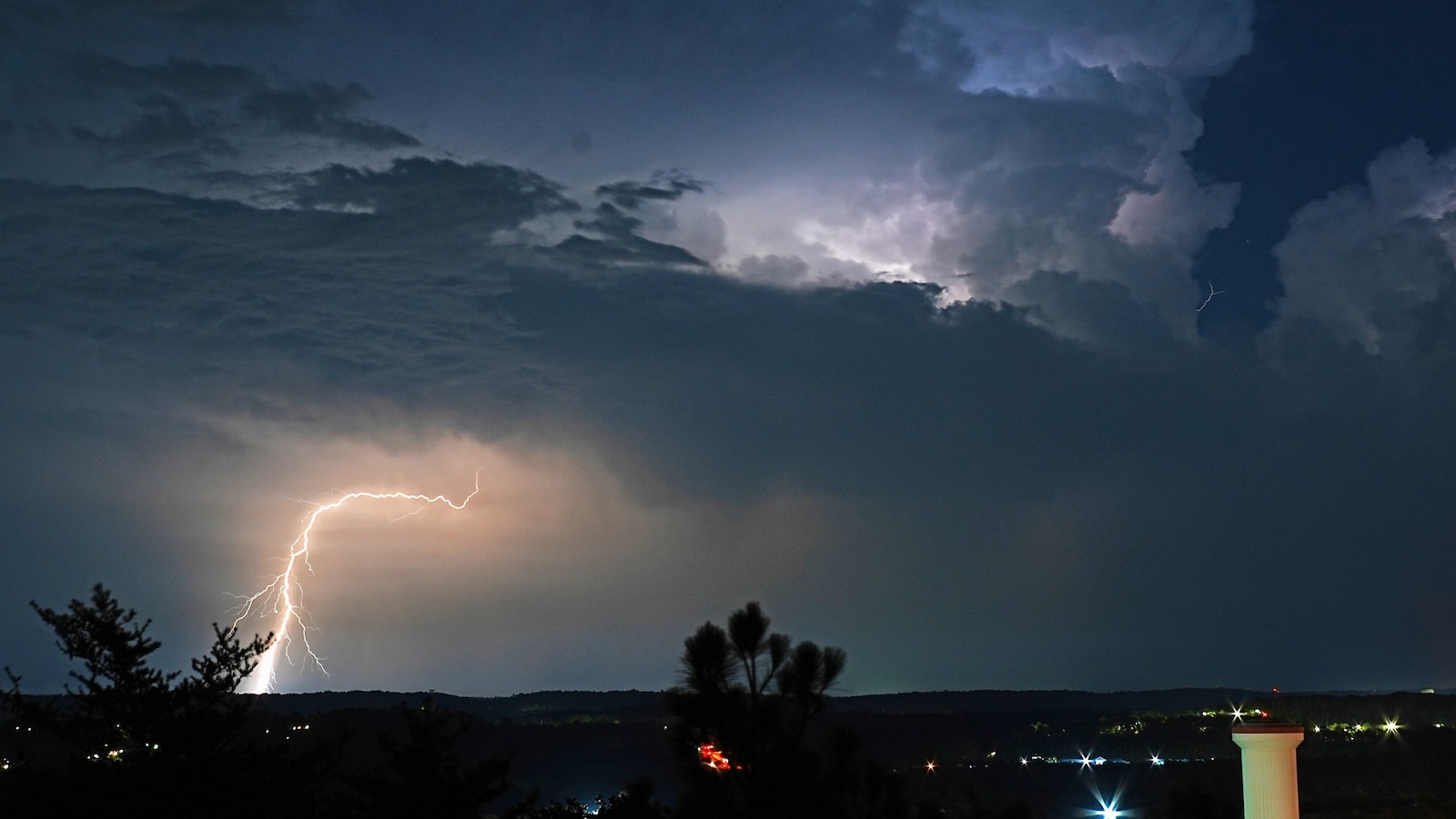
A significant and potentially dangerous weather situation is unfolding across the Deep South, with meteorologists warning residents from Texas all the way to Mississippi to prepare for severe conditions. The National Weather Service has issued a tornado watch for multiple counties in southeast Texas, including the densely populated Houston metropolitan area, which will remain in effect until 9 p.m. Central Time. This isn’t just another spring storm—forecasters are expecting damaging winds capable of downing trees and power lines, the possibility of tornadoes touching down in populated areas, and large hail that could damage vehicles and property. Residents across the region are being urged to stay weather-aware, keep their phones charged, and have multiple ways to receive weather warnings as this dangerous system moves through their communities throughout the weekend.
Powerful Storm System Moves Eastward Bringing Sequential Threats
A powerful and well-organized storm system that originated in the Rocky Mountains is now marching eastward, bringing a sequential threat to major Southern cities. Late Saturday morning, Dallas, Texas, experienced the initial punch from this system, with residents reporting gusty winds and torrential downpours that reduced visibility and created hazardous driving conditions. The storm system then set its sights on Houston, where meteorologists predicted the most intense weather would arrive between 7 and 9 p.m. Saturday evening. Houston residents could expect damaging straight-line winds, the possibility of an isolated tornado, and heavy rainfall that could lead to street flooding in low-lying areas. As the night progresses, the dangerous weather won’t sleep—New Orleans, Louisiana, and Jackson, Mississippi, are expected to experience severe storms rolling through between midnight and 2 a.m., bringing the same triple threat of damaging winds, potential tornadoes, and heavy rain. Further east, Birmingham and Montgomery, Alabama, will face their turn with the severe weather during the early morning hours of Sunday, roughly between 5 and 8 a.m., when gusty winds and heavy rain will impact the morning commute and potentially cause power outages.
Atlanta and Florida Panhandle Face Sunday Morning Storm Threat
As Sunday morning progresses, the storm system will continue its relentless march eastward, bringing heavy rain and storms to Atlanta during the mid to late morning hours. However, while Atlanta will certainly see significant rainfall and thunderstorms, the most severe weather—including the greatest tornado threat—will remain to the south of the city. Communities from Albany, Georgia, extending through Panama City, Tallahassee, and Gainesville, Florida, need to be especially vigilant as this is where meteorologists expect the most dangerous conditions to persist. The tornado threat in these areas will be considerable, and residents should have their safe places identified and be ready to take shelter immediately if warnings are issued. The Florida Panhandle, in particular, has seen devastating tornado outbreaks in the past, and this system has all the ingredients necessary to produce significant severe weather. Local emergency management officials are preparing for potential rescues, and residents are being advised to secure outdoor furniture, trampolines, and other items that could become dangerous projectiles in high winds.
Flash Flooding Concerns from Texas to the Carolinas
Beyond the tornado and wind threats, this expansive storm system is also creating serious flash flooding concerns across a massive swath of the South and Southeast. Heavy rainfall is expected from Texas all the way to the Carolinas, with some areas potentially receiving dangerous amounts of rain in very short periods. The highest threat for flash flooding has been identified in a corridor extending from just east of Dallas, Texas, through Little Rock, Arkansas, and into Memphis, Tennessee. In these areas, forecasters are predicting that some locations could receive between 2 and 4 inches of rain in a concentrated timeframe, which is more than enough to overwhelm drainage systems, flood roadways, and create life-threatening situations for anyone caught in the deluge. Drivers are being reminded that it takes only about a foot of moving water to sweep away most vehicles, and the National Weather Service’s longstanding advice remains critical: “Turn around, don’t drown.” Low-water crossings, urban areas with poor drainage, and regions near small creeks and streams are particularly vulnerable to rapid flooding, and residents in these areas should be prepared to move to higher ground quickly if flooding begins.
West Coast Braces for Dramatic Shift: Heavy Snow and Rain After Prolonged Drought
After experiencing one of the driest periods in recent memory, the entire western United States is about to experience a dramatic reversal of fortune as an active storm track takes aim at the region. Beginning Sunday afternoon and continuing through the week, a relentless series of storm systems will pound the West Coast from California all the way to Colorado, bringing conditions that will seem almost unbelievable after the persistent drought. The mountains will see extraordinarily heavy snowfall, while coastal California will experience heavy rain that carries significant flooding potential. The greatest concern for flash flooding and debris flows—which are particularly dangerous mudslides that can carry rocks, trees, and even vehicles—extends from just south of the San Francisco Bay Area all the way down to the greater Los Angeles metropolitan area. From Sunday through Friday, some locations in California could accumulate between 3 and 6 inches of rain, amounts that will almost certainly trigger flash flooding and debris flows, especially in areas that have been scarred by recent wildfires, where vegetation that normally holds soil in place has been destroyed. Meanwhile, in the Sierra Nevada Mountains, some elevated locations could see absolutely astounding snowfall totals of 3 to 6 feet, which will create whiteout conditions, make travel virtually impossible, and likely close major mountain passes. The Rockies aren’t being left out of this winter weather bonanza either, with several feet of snow also expected across portions of the Rocky Mountain chain throughout the coming week. Ski resorts will certainly benefit from this atmospheric firehose, but travelers should be prepared for significant disruptions, road closures, and potentially dangerous conditions if caught unprepared in these mountain areas.
Preparing for Severe Weather: Safety Should Be Everyone’s Priority
As these two major storm systems impact vast portions of the United States, from the Deep South to the West Coast, it’s crucial that residents take the threats seriously and make appropriate preparations. For those in the path of severe thunderstorms and potential tornadoes, now is the time to review your family emergency plan, ensure you have multiple ways to receive weather warnings (weather radio, smartphone apps, local TV and radio), and identify your safe place—typically the lowest level of your home in an interior room away from windows. Keep a preparedness kit with flashlights, batteries, a first-aid kit, water, and essential medications in your safe place. Charge your devices and consider having backup battery packs available in case power is lost. For those facing flooding threats, whether from heavy rain in the South or the upcoming deluge in California, never attempt to drive through flooded roadways—the depth and current can be deceiving, and it’s simply not worth the risk. Property can be replaced; lives cannot. In the western mountains, if you must travel, ensure your vehicle is properly equipped with chains, extra food and water, blankets, and a full tank of gas. Better yet, if you don’t have essential travel needs, postpone your trip until conditions improve. Weather can be fascinating and powerful, but it must always be respected, and these storm systems currently taking aim at much of the United States certainly demand our full attention and appropriate preparation.