

The Hidden Crisis: Sexual Assaults on Commercial Flights Are Rising at an Alarming Rate
A Nightmare at 30,000 Feet
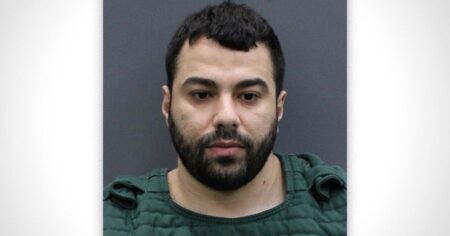
Flying used to be simple – book a ticket, board a plane, and arrive at your destination. But for Renee Solofra, a routine flight from Chicago to Florida in September 2023 became a traumatic experience that would fundamentally change her life. Trapped in a middle seat with nowhere to escape, Solofra found herself next to a visibly intoxicated man who reeked of alcohol and continued drinking throughout the flight. What started as uncomfortable proximity quickly escalated into a harrowing ordeal. The man grabbed the back of her neck, yanked her hand, and even snatched her cellphone from her grasp. As the plane prepared for landing, Solofra crossed her arms protectively over her lap and closed her eyes, counting down the minutes until she could escape. That’s when her seatmate grabbed her breast. When the plane finally touched down and she could leave, Solofra broke down in tears as she reported the assault to the gate agent. She pressed charges against Daniel McAdams, who eventually pleaded guilty to battery. But the legal resolution didn’t erase the trauma. “It affected my job, it affected my life. I was scared to travel,” Solofra shared with CBS News. A woman who had never needed therapy before found herself requiring extensive counseling to cope with what happened in those confined airplane seats. Her world had been turned upside down by an assault she couldn’t escape from, trapped thousands of feet in the air with nowhere to run.
A Growing Problem Hidden in Plain Sight
Solofra’s experience, while deeply personal, represents just the tip of a disturbing iceberg. A comprehensive CBS News investigation revealed that the FBI investigated more than 170 cases of passengers assaulting other passengers on flights during 2024 alone – a significant jump from approximately 130 cases the previous year. While these numbers might seem small compared to the millions of people who fly each year, the sharp upward trend is deeply concerning. Even more troubling is the widespread belief among experts and advocates that these figures represent only a fraction of the actual incidents occurring. The true scope of the problem remains largely invisible because many assaults go unreported, and there’s no comprehensive system tracking these crimes across the aviation industry. What makes this data particularly alarming is that the FBI didn’t even have these figures readily available until CBS News specifically requested them. Since many cases are handled by local airport police departments that don’t publicly report their numbers, creating an accurate picture of how many passengers have suffered similar violations is nearly impossible. The investigation found common patterns among these incidents: many occur on long-distance or international flights, frequently happen at night, and often involve attackers who have consumed alcohol. These findings paint a picture of vulnerability at cruising altitude, where victims find themselves trapped with their assailants for hours with limited options for escape or immediate help.
Why Modern Air Travel Makes Passengers More Vulnerable
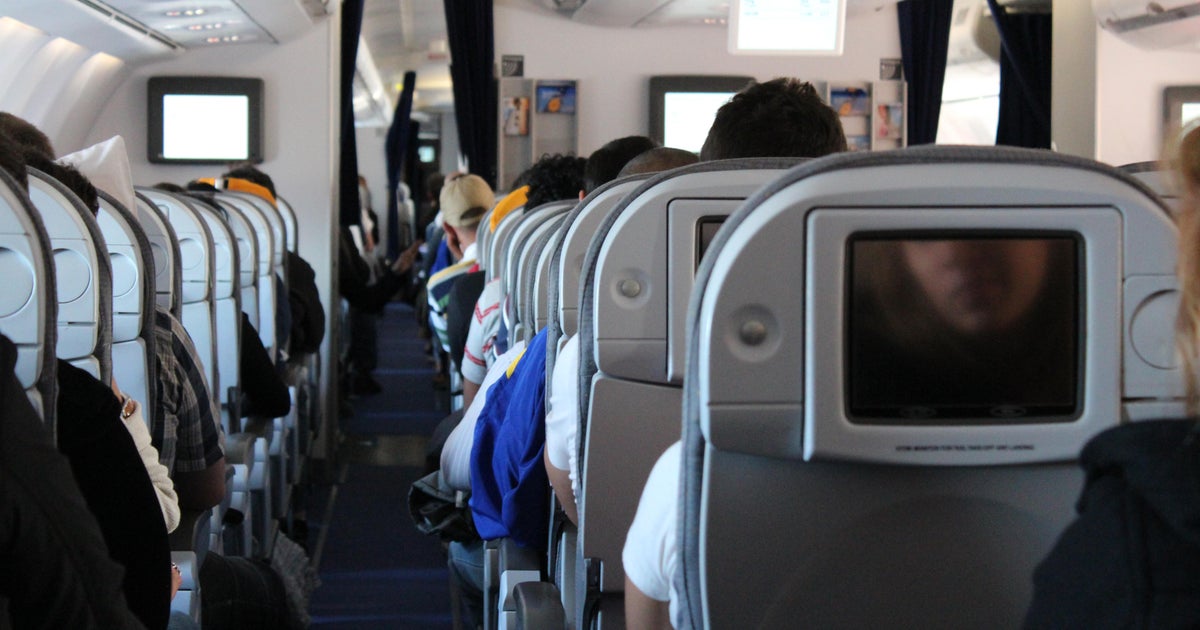
According to Sara Nelson, the international president of the Association of Flight Attendants, today’s air travel environment creates conditions that actually increase passenger vulnerability to assault. The changes in how airlines operate and configure their aircraft have inadvertently created blind spots where predatory behavior can occur more easily. Nelson explained that in previous decades, flights typically had more open seats, providing natural buffers between passengers. The seats themselves weren’t crammed as closely together, and flight attendants had clear lines of sight down the aisles, allowing them to monitor the cabin more effectively. Airlines also staffed flights with more crew members who could regularly walk through and keep watchful eyes on passengers. The modern reality presents a stark contrast. Today’s flights are packed to capacity as airlines maximize profits by filling every available seat. The seats are positioned much closer together, creating an almost claustrophobic environment. Ironically, while there are technically more “eyes” in the cabin simply because more passengers are crammed aboard, the tight configuration eliminates the line of sight between rows. This means that even when other passengers or flight attendants are nearby, they often can’t see what’s happening in adjacent rows. Someone could be assaulted in their seat, and people just feet away would have no idea it was occurring. This combination of packed flights, cramped seating, reduced crew ratios, and limited visibility creates an environment where vulnerable passengers – particularly those in middle seats with assailants on either side – have few options for escape or even for attracting help.
The Broken Reporting Chain and Lack of Accountability
Both the FBI and the airline industry publicly state they take these threats seriously and thoroughly investigate all claims. However, the reality on the ground often falls short of this commitment. Nelson, who revealed she herself has been a victim of sexual assault on a flight, explained that flight attendants are typically the first to receive reports from victims. The problem is what happens next. When a report is made, it gets forwarded through a chain that leads to authorities at the flight’s destination. At any point along this chain, if someone dismisses the incident as “no big deal” or doesn’t take it seriously, the necessary response for accountability simply doesn’t happen. This broken chain of reporting has real consequences. Victims who summon the courage to report what happened to them may find their complaints minimized, mishandled, or lost in bureaucratic shuffle. Without consistent, serious responses to every report, perpetrators face little risk of consequences, and the problem continues unchecked. The lack of a unified reporting system means there’s no central database tracking these incidents, no way to identify repeat offenders who might assault passengers on multiple flights, and no mechanism for the industry to recognize and address patterns. This fragmented approach protects airlines from public scrutiny but leaves passengers vulnerable and in the dark about the risks they face when they board a plane.
Legal Action and the Fight for Transparency
Frustrated by the lack of systemic response, Renee Solofra has filed a lawsuit against American Airlines, seeking accountability not just for her individual assault but for the broader failures that allowed it to happen and continue happening to others. American Airlines responded with a brief statement noting that “the safety and security of our customers and team members remains our top priority,” but declined further comment due to the active litigation. Solofra is one of about a dozen women represented by the Chicago-based law firm Romaucci and Blandin, all of whom report being sexually assaulted on airplanes. Daisy Ayllón, a partner at the firm, emphasized that many people simply don’t realize how consistently these assaults are occurring because the information isn’t being shared publicly. Ayllón identified a critical gap in the system: there is currently no requirement for airlines to report assault numbers to any central authority or to the public. The FBI’s figures come exclusively from victims who decide to come forward and file reports directly with law enforcement. However, airlines receive many more complaints directly from passengers that never make it into any official count. These unreported incidents create enormous gaps in our understanding of the problem’s true scope. Without mandatory reporting requirements, airlines have little incentive to publicly acknowledge the extent of assaults occurring on their flights, as such admissions could damage their reputations and potentially affect their bottom line. This information vacuum serves the airlines’ interests but leaves passengers flying blind, unaware of the risks they face or the precautions they might want to take.
The Path Forward: Breaking the Silence
Solofra has become an advocate for change, urging passengers who experience assault to report it promptly despite the difficulties and potential dismissals they might face. She’s also calling for airlines to be required to report their assault numbers to authorities and make them public, allowing passengers to make informed decisions and understand the risks. Her message is clear and powerful: “Silence only protects the aggressor.” By keeping these incidents quiet, by not tracking them systematically, and by not sharing information about their frequency and patterns, the current system effectively shields perpetrators while leaving potential victims vulnerable and uninformed. Solofra and other advocates are demanding reform, and they’ve vowed not to stop until meaningful changes are implemented. These reforms might include mandatory reporting requirements for airlines, a centralized database of assault incidents, better training for flight crews on recognizing and responding to assaults, improved protocols for supporting victims and preserving evidence, and perhaps even aircraft design considerations that reduce the isolated vulnerability passengers currently face. The increasing number of reported incidents suggests we’re facing a growing crisis in aviation safety that has nothing to do with mechanical failures or pilot error and everything to do with how we protect the most vulnerable people on our flights. As air travel continues to recover and grow following the pandemic, addressing this hidden epidemic of in-flight sexual assault has become an urgent priority that can no longer be ignored or swept under the rug. The courage of survivors like Renee Solofra in speaking out and demanding accountability may finally force the changes needed to make flying safe for everyone.