

America’s Coffee Crisis: How Rising Prices Are Forcing Beloved Routines to Change
A Daily Ritual Under Pressure
For millions of Americans, coffee isn’t just a beverage—it’s a sacred morning ritual, a social connection, and for many, an absolute necessity to function throughout the day. Chandra Donelson, a 35-year-old data and artificial intelligence strategist from Washington, D.C., embodies this relationship perfectly. Growing up, she watched her mother religiously make her daily pilgrimage to McDonald’s for coffee with 10 sugars and five creams, a habit Donelson herself adopted as soon as she was old enough. Through college, military service in the Air Force, and into her professional career, coffee remained her constant companion. Later, her tastes evolved to Starbucks caramel macchiatos with almond milk and two pumps of syrup—a daily indulgence that felt as essential as breathing. But recently, something changed. Faced with relentlessly climbing prices, Donelson did what once seemed impossible: she gave up her beloved coffee shop routine entirely. “I did that daily for years. I loved it. That was just my routine,” she reflects with a hint of nostalgia. “And now it’s not.” Her story isn’t unique—across the country, devoted coffee drinkers are confronting an uncomfortable reality as their cherished habit becomes increasingly expensive.
The Shocking Numbers Behind Your Morning Cup
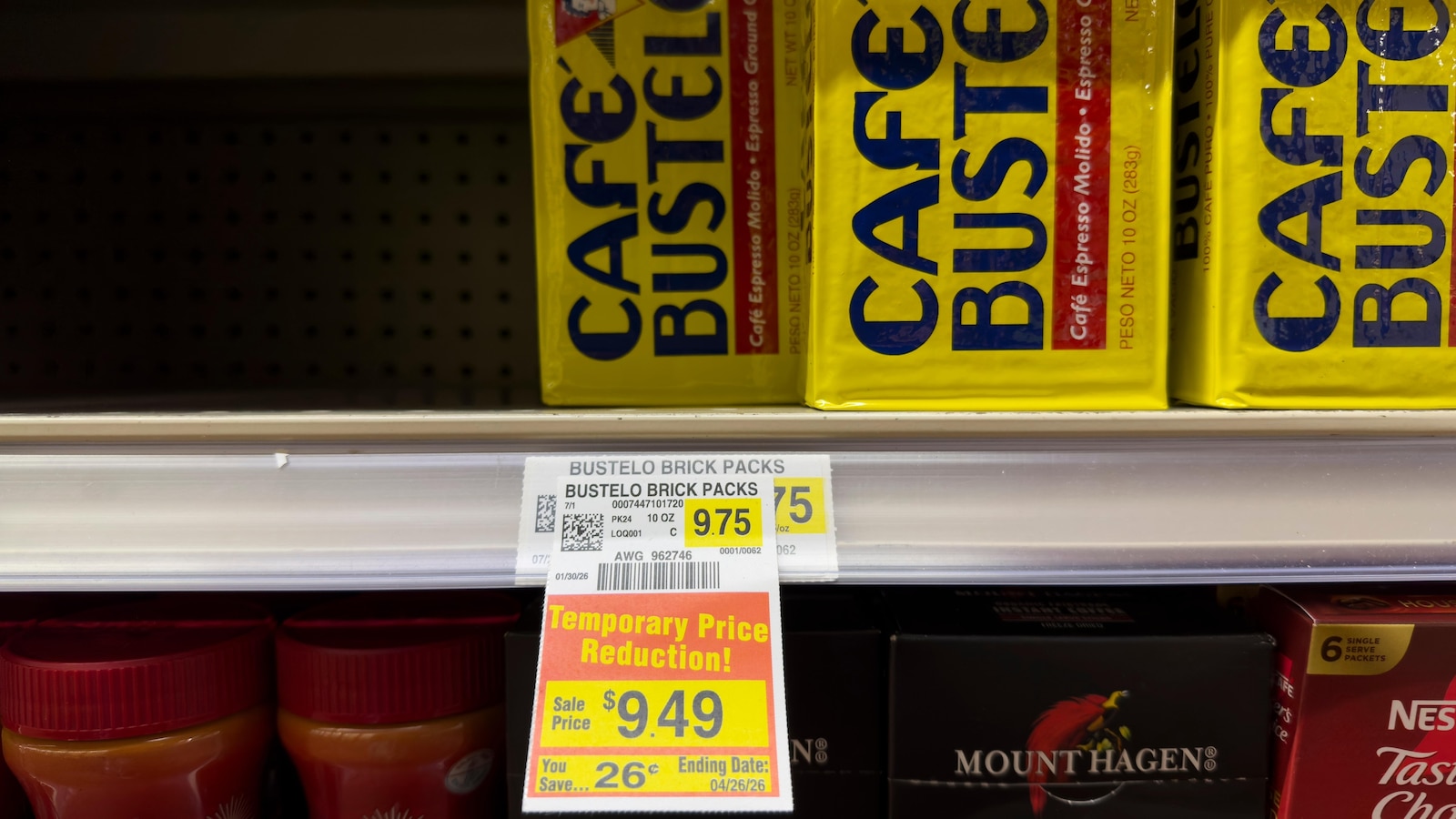
The statistics tell a sobering story about what’s happening to coffee prices in America. According to the latest Consumer Price Index data released in February, coffee prices surged by an eye-watering 18.3% in January compared to the previous year. Even more striking, over a five-year period, coffee prices have climbed a staggering 47%. These aren’t just abstract numbers on a government report—they represent real changes to people’s wallets and daily routines. Data from Toast, a payment platform serving over 150,000 restaurants nationwide, reveals that by December, the median price for a regular hot coffee had reached $3.61, with considerable variation depending on location. For those preferring cold brew, the median price had climbed even higher to $5.55. Dan DeBaun, a 34-year-old from Minnetonka, Minnesota, has watched this transformation firsthand. “What used to be a $2 coffee, it’s now $5, $6,” he observes with frustration. As he and his wife diligently save for a house, those seemingly small daily expenses have taken on new significance, prompting him to reconsider his coffee shop habits and switch to brewing Trader Joe’s ground coffee at home in a travel mug.
Why Your Coffee Costs So Much More
The dramatic price increases aren’t happening in a vacuum—they’re the result of converging global challenges that have disrupted coffee production worldwide. Virtually all coffee consumed in the United States is imported, making American consumers vulnerable to international supply chain issues and climate events happening thousands of miles away. While tariffs briefly affected some coffee imports in 2025, they were ultimately removed, so the current crisis stems primarily from agricultural challenges. Drought conditions in Vietnam, one of the world’s largest coffee producers, have severely impacted crop yields. Meanwhile, Indonesia has faced the opposite problem—excessive rainfall that has damaged coffee plants and reduced harvests. In Brazil, another coffee powerhouse, hot and dry weather has created hostile growing conditions that have diminished production. These climate-related agricultural problems have created a perfect storm that’s reduced global coffee supplies while demand remains steady, inevitably driving prices upward. For American consumers already squeezed by inflation affecting everything from housing costs to grocery bills, the rising price of their morning coffee represents yet another financial pressure point forcing difficult decisions about daily habits.
Breaking the Coffee Shop Habit
For self-described “coffee addict” Liz Sweeney, 50, from Boise, Idaho, the price increases prompted a dramatic lifestyle change. Before the recent price surge, Sweeney’s relationship with coffee was all-consuming—she would drink three cups at home daily and automatically stop at a café whenever she left the house. “Before, I thought, ‘There’s no way I could make it through my day without coffee,'” she admits. “Now my car’s not on automatic pilot.” As prices climbed last year, Sweeney took decisive action, eliminating coffee shop visits entirely and cutting her home consumption to just one cup per day. To compensate for the reduced caffeine intake, she’s turned to alternatives—popping open a can of Diet Coke at home or occasionally driving through McDonald’s for an affordable coffee substitute. Her experience reflects a broader pattern of Americans fundamentally rethinking their relationship with coffee, questioning assumptions about what’s truly necessary versus what’s simply habitual. The psychological shift from viewing coffee as non-negotiable to recognizing it as optional represents a significant change for many devoted coffee drinkers who never imagined they’d reduce their consumption.
Finding Alternatives and New Discoveries
Sharon Cooksey, a 55-year-old from Greensboro, North Carolina, went through her own journey of coffee reinvention that led to surprising discoveries. She had been a regular at her local Starbucks, visiting most weekday mornings for a caramel latte until the mounting costs became impossible to ignore. Her transition happened in stages—first, she switched to brewing Starbucks coffee at home, maintaining brand loyalty while saving money. Then, while browsing the coffee aisle at Publix, she made a revelation that felt almost miraculous: Lavazza coffee was approximately 40% cheaper than what she’d been buying. “I can buy a bag of coffee for $6?” she remembered thinking with astonishment. “It was like I had just discovered another world. The multiverse opened up to me in the coffee aisle of Publix.” The economics are compelling—a bag of beans that lasts several weeks costs roughly the same as a single café latte. While she acknowledges missing the social dimension of her Starbucks visits, where baristas knew her name and greeted her warmly, she’s been genuinely surprised to discover that her homemade coffee actually tastes better to her palate. “I’ll be damned if it didn’t taste so good,” she says with evident satisfaction, having found an unexpected silver lining in her forced cost-cutting measures.
The Future of American Coffee Culture
Despite the dramatic price increases affecting individual consumers, the National Coffee Association reports that two-thirds of Americans still drink coffee daily, and their surveys indicate that overall coffee consumption is broadly holding steady. For many people, coffee remains such an indispensable part of their daily routine that the soaring prices have generated nothing more than complaints without significant behavioral changes. However, for others already stretched financially by increases in essential expenses like rent, groceries, and gas, coffee has become an area where cuts are possible and necessary. Chandra Donelson’s transformation exemplifies this shift—when a government shutdown halted her paychecks last fall, she finally had the motivation to find an alternative. She discovered Republic of Tea blends with a generous squeeze of honey that satisfied her morning beverage craving. The financial comparison is stark: “Twenty cents a cup compared to $7 or $8 a cup,” she notes matter-of-factly. “The math just makes sense.” These individual stories represent a potentially significant cultural shift in how Americans approach their coffee consumption. What was once an unquestioned daily expense is now being scrutinized and reconsidered, with many discovering that alternatives—whether cheaper brands, home brewing, or different beverages entirely—can adequately replace expensive café habits. While coffee culture isn’t disappearing from America, it’s certainly evolving in response to economic pressures, potentially permanently changing consumption patterns for a generation of coffee drinkers who’ve learned they can adapt when circumstances demand it.