


ESPN’s Herm Edwards Weighs In: College Football Playoff Controversy and the Chiefs’ Shocking Collapse
A Coach’s Perspective on College Football’s Biggest Decisions
When it comes to understanding the intricacies of football at every level, few voices carry as much weight as Herm Edwards. The ESPN analyst and former NFL head coach recently sat down with ABC News’ Linsey Davis to discuss some of the most pressing topics in football today. From the heated controversy surrounding the College Football Playoff bracket to the Kansas City Chiefs’ unexpected struggles during their 2025 season, Edwards brought his characteristic blend of insight, experience, and straight talk to the conversation. His analysis touched on what makes college football’s playoff system so challenging, why Notre Dame fans might have legitimate grievances, and how quickly fortunes can change in the NFL—even for a dynasty that seemed untouchable just months ago.
Edwards, who coached in the NFL for a decade and has been analyzing the game for ESPN, approaches these topics with the credibility of someone who has stood on sidelines at the highest levels of competition. He understands the pressure that comes with selection committees making billion-dollar decisions, and he knows firsthand how devastating a losing streak can feel when you’re the one calling the plays. In this wide-ranging discussion, Edwards didn’t shy away from controversial takes or difficult truths about the current state of football in America. His comments about Notre Dame’s playoff exclusion have already sparked debate among fans and analysts alike, while his assessment of the Chiefs’ downfall offers a sobering reminder that in professional football, nothing is guaranteed, and yesterday’s champions can quickly become tomorrow’s cautionary tale.
The Notre Dame Dilemma: When Tradition Meets Modern Selection Politics
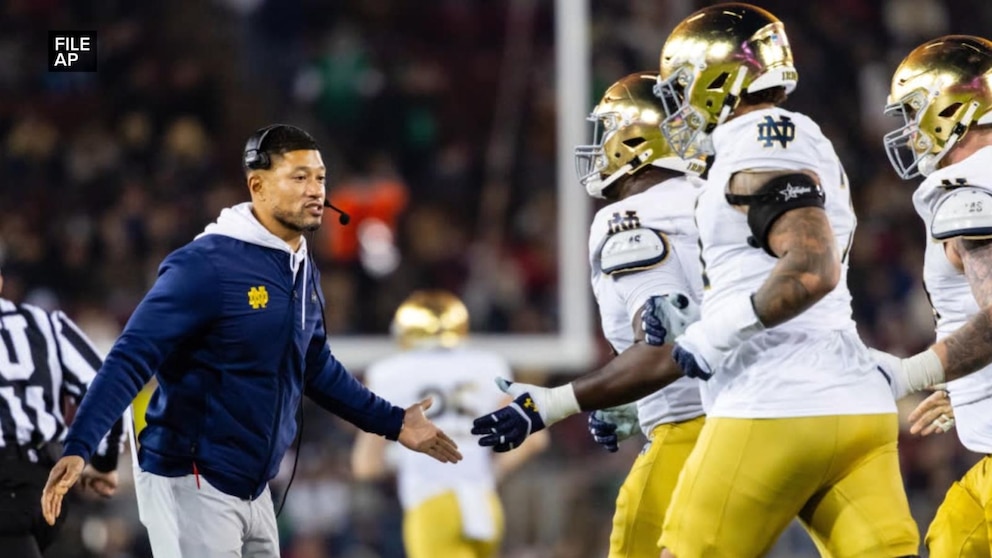
The controversy surrounding Notre Dame’s exclusion from the College Football Playoff has ignited passionate debates across sports media, alumni associations, and fan forums nationwide. Edwards addressed this contentious decision head-on, acknowledging that the Fighting Irish had legitimate arguments for inclusion. With a storied football program that represents one of college football’s most recognized brands, Notre Dame’s absence from the playoff conversation strikes many as not just a competitive oversight but a fundamental misunderstanding of what the program has accomplished this season. Edwards pointed out that the selection committee faces an increasingly impossible task as college football expands and more teams make compelling cases for playoff spots.
What makes this situation particularly frustrating for Notre Dame supporters is the subjective nature of the selection process. Unlike professional sports with clear-cut playoff qualification systems based on division standings and win-loss records, college football’s playoff selection involves human judgment calls about strength of schedule, quality wins, and the infamous “eye test.” Edwards explained that Notre Dame’s independent status—not belonging to a major conference—can work against them in these deliberations. Without a conference championship game to serve as a final showcase or resume-builder, the Irish must rely entirely on their regular-season performance and the perception of their schedule difficulty. Edwards suggested that this structural disadvantage puts Notre Dame in a uniquely challenging position that few other programs face.
Furthermore, Edwards highlighted how the criteria for playoff selection seem to shift depending on the year and the teams involved. What constitutes a “quality loss” one season might be viewed as a disqualifying blemish the next. Conference strength is emphasized in some years while being downplayed in others. This inconsistency, Edwards argued, undermines confidence in the system and leaves deserving teams on the outside looking in. For Notre Dame specifically, the question becomes whether their body of work throughout the entire season should outweigh potential weaknesses the committee identified. Edwards noted that coaches and players can only control what happens on the field, but when subjective evaluation by a committee determines championship opportunities, frustration is inevitable when the decisions don’t align with what many consider reasonable conclusions based on the available evidence.
The Kansas City Chiefs’ Unexpected Downfall: How Dynasty Dreams Turned to Dust
Perhaps even more shocking than any college football playoff decision is the Kansas City Chiefs’ horrendous 2025 season, a dramatic fall from grace that few analysts predicted. Edwards didn’t mince words when discussing how the defending champions have struggled through what can only be described as a catastrophic campaign. The team that had established itself as the NFL’s premier franchise, with Patrick Mahomes at quarterback and Andy Reid orchestrating the offense, suddenly found themselves unable to recapture the magic that had made them seemingly unstoppable. Edwards pointed to several factors that contributed to this stunning decline, from injuries to key players to potential complacency after years of sustained success.
The Chiefs’ struggles serve as a stark reminder of how quickly circumstances can change in professional football. Edwards emphasized that the NFL’s competitive balance—strengthened by salary cap restrictions, the draft system favoring weaker teams, and the physical toll of playing at the highest level—makes sustained excellence extraordinarily difficult. What separates dynasties from one-hit wonders isn’t just talent but the ability to maintain hunger, health, and organizational focus year after year. When any of these elements falters, even the most talented rosters can crumble. For Kansas City, Edwards suggested that the combination of key injuries, defensive struggles, and perhaps an inability to evolve their offensive scheme as defenses adapted to their tendencies created a perfect storm of failure.
Edwards also addressed the psychological aspect of the Chiefs’ downfall, noting that championship teams often face unique challenges that losing organizations don’t encounter. The pressure to repeat, the target on their back with every opponent bringing their best effort, and the difficulty of maintaining intensity when you’ve already reached the pinnacle of success—all of these factors can contribute to unexpected declines. Additionally, Edwards pointed out that roster decisions made during the offseason, which might have seemed reasonable at the time, can prove devastating when they don’t pan out. Whether it’s letting veteran players leave in free agency, draft picks that don’t develop as hoped, or scheme changes that backfire, the margin for error in the NFL is razor-thin. For the Chiefs, several of these decisions apparently came back to haunt them simultaneously, creating a season that went from championship expectations to potential organizational reset in just a few months.
Monday Night Football: The Spotlight That Defines Careers and Seasons
The conversation with Edwards also touched on Monday Night Football, the NFL’s signature primetime showcase that continues to captivate audiences and define moments in football history. Edwards spoke about the unique pressure and opportunity that comes with playing under the Monday night lights, where the entire football world is watching a single game. For players and coaches, these games represent chances to make statements, shift narratives, and create memorable moments that define careers. Edwards, having coached in numerous primetime games himself, understands the heightened intensity that comes when your team is the only show in town and millions of viewers are focused exclusively on your performance.
From a strategic standpoint, Monday Night Football games present distinctive challenges. Teams have different preparation schedules, often coming off Sunday games with one fewer day to recover and prepare. The travel logistics, the media attention, and the psychological pressure of performing on the sport’s biggest regular-season stage all factor into outcomes. Edwards discussed how coaches approach these games differently, sometimes holding back certain plays or adjustments they’d been saving for the right moment, knowing that a successful Monday night performance can energize a season while a poor showing can create momentum-crushing doubt. For struggling teams, Monday Night Football can offer redemption or confirmation of their difficulties. For contenders, it’s an opportunity to intimidate opponents and validate their championship credentials.
The Broader Implications: What These Storylines Tell Us About Football’s Current State
Taking a step back from specific teams and controversies, Edwards’ commentary reveals broader truths about the current state of football at both the college and professional levels. The Notre Dame playoff debate exemplifies the growing pains of a college football system trying to balance tradition with modern competitive fairness. As the sport continues to evolve with conference realignment, name-image-likeness compensation for players, and the transfer portal fundamentally changing roster construction, the playoff selection process will face continued scrutiny. Edwards suggested that expansion of the playoff field might be inevitable, though that brings its own complications regarding scheduling, player safety, and whether more teams dilute the championship’s prestige.
Meanwhile, the Chiefs’ collapse highlights the NFL’s competitive volatility and the challenge of sustained excellence. In an era where information travels instantly, where coaches can study opponent tendencies in unprecedented detail, and where one or two key injuries can derail a season, maintaining dynasty-level performance requires not just talent but also luck, depth, and constant innovation. Edwards’ analysis suggests that we may be entering an NFL era where sustained dominance becomes increasingly rare, replaced by more parity and unpredictability. For fans, this creates more suspense and competitive balance, but for teams that experience rapid declines like the 2025 Chiefs, it represents the harsh reality that football success is fleeting and must be appreciated in the moment because tomorrow’s struggles can arrive without warning.
Conclusion: Herm Edwards’ Enduring Wisdom in an Ever-Changing Football Landscape
Herm Edwards’ conversation with ABC News provided valuable perspective during a moment when football fans at all levels are grappling with unexpected outcomes and controversial decisions. His unique position as both a former coach and current analyst allows him to bridge the gap between the emotional reactions of fans and the practical realities that teams and decision-makers face. Whether discussing Notre Dame’s playoff exclusion, the Chiefs’ shocking struggles, or the enduring significance of Monday Night Football, Edwards brought clarity, experience, and honest assessment to complex topics that often generate more heat than light in public discourse.
What emerges from Edwards’ analysis is a picture of football as a sport in transition, where old certainties no longer hold and new challenges constantly emerge. The college game wrestles with how to fairly determine champions while honoring tradition and managing an increasingly professional player environment. The NFL confronts the reality that even its most dominant franchises can experience rapid decline, reminding everyone that competitive balance is both the league’s greatest strength and a source of heartbreak for fans of struggling teams. Through it all, Edwards remains a steady voice, offering insights grounded in real experience while acknowledging the emotional investment that makes football America’s most popular sport. His willingness to tackle controversial topics directly, combined with his credibility earned through years on the sideline, makes his perspective particularly valuable during a season filled with unexpected twists, difficult decisions, and the kind of drama that keeps football fans engaged from the first kickoff of the season through the final championship celebration.