


Hangin’ with Herm Edwards: AFC and NFC Recap and Look Ahead to Super Bowl
A Legendary Coach’s Perspective on Championship Sunday
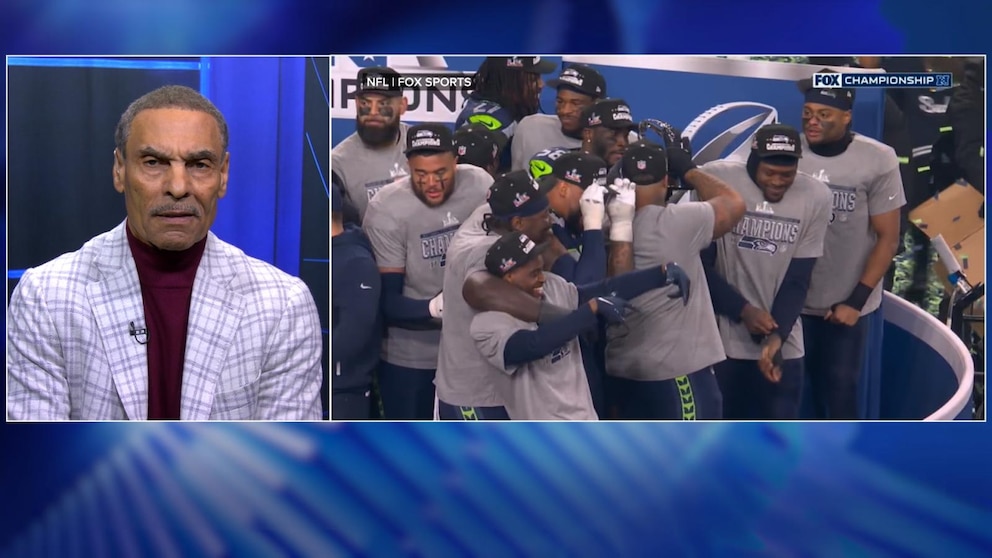
When you’ve walked the sidelines as both a player and a head coach in the NFL, championship weekend hits differently. Herm Edwards, the charismatic former NFL coach turned ESPN analyst, recently sat down with ABC News’ Linsey Davis to break down what happened in the AFC and NFC Championship games and share his thoughts on the upcoming Super Bowl matchup. Edwards, known for his passionate coaching style and his famous “You play to win the game!” speech, brought his trademark energy and insider knowledge to the conversation, offering fans a unique window into the high-stakes world of championship football. His analysis went beyond the X’s and O’s, diving into the mental warfare, coaching decisions, and those critical moments that separate champions from everyone else.
Edwards has always had a gift for making football accessible to everyone, whether you’re a die-hard fan who knows every formation or someone just tuning in for the big games. His ability to break down complex strategies while keeping things conversational is what makes him such a valued voice in sports media. During this interview, he didn’t disappoint, offering both technical insights and those human moments that remind us why we love this game. From discussing the pressure on quarterbacks to the chess match between opposing coaches, Edwards painted a vivid picture of what it takes to reach football’s biggest stage. His commentary carried the weight of someone who’s experienced these moments firsthand, who knows what it feels like when everything is on the line and millions are watching.
Breaking Down the Championship Games: Where Games Are Won and Lost
The conversation naturally turned to the specifics of the conference championship games, where Edwards demonstrated why his analysis is so highly regarded. He talked about how championship games have a different rhythm, a different intensity than regular season contests or even earlier playoff games. According to Edwards, this is where mental toughness becomes just as important as physical talent. Players who’ve never been in these situations can freeze up, while veterans who’ve been there before often rise to the occasion. He pointed out specific sequences in both games where experience made the difference, where a quarterback’s calm under pressure or a coach’s timely timeout changed the entire trajectory of the contest.
Edwards emphasized how coaching decisions get magnified in these moments. A choice to go for it on fourth down, when to use timeouts, whether to be conservative or aggressive – these decisions that might go unnoticed in October become the stuff of legend in January. He discussed how the best coaches trust their preparation and their players, even when conventional wisdom might suggest playing it safe. Throughout the interview, Edwards referenced specific plays and decisions that showcased coaching brilliance or, in some cases, questionable judgment. His analysis wasn’t about criticizing from a comfortable studio chair; it was about acknowledging how incredibly difficult these decisions are when the stakes are this high and you have mere seconds to make choices that could define careers.
The former coach also highlighted the importance of adjustments throughout these championship games. Football at this level is like a high-speed chess match, he explained. What works in the first quarter might be completely shut down by the second half because the opposing coaching staff has made their tweaks. The teams that win championships are the ones that can adapt on the fly, that have multiple game plans ready to deploy depending on what the opponent shows them. Edwards spoke with evident respect for coaches who can stay ahead of their opponents in this cat-and-mouse game, noting that sometimes the championship is won not by the team with the most talent, but by the one that makes the fewest mistakes and adjusts most effectively when their initial plan isn’t working.
The Human Element: Pressure, Legacy, and What Drives Champions
What made Edwards’ analysis particularly compelling was his focus on the human element of these championship games. He talked about the immense pressure these players and coaches face, pressure that most of us can barely imagine. For some players, this might be their only shot at reaching a Super Bowl. NFL careers are notoriously short, and the window for championship opportunities can close in an instant due to injury, age, or changes in team dynamics. Edwards spoke about how this awareness affects everything – how players prepare, how they handle adversity during the game, and how they respond when things aren’t going according to plan.
The conversation also touched on legacy and what these games mean beyond just wins and losses. Edwards discussed how a single game, a single play even, can define how a player or coach is remembered for generations. A quarterback can have a Hall of Fame career, but without that Super Bowl ring, there’s always an asterisk in some people’s minds. A coach can win countless games in the regular season, but playoff success is what separates the good from the great in the history books. This reality creates an additional layer of pressure that affects everyone involved. Edwards spoke candidly about his own experiences with this pressure, acknowledging that while coaches try to treat every game the same, championship games simply feel different because everyone knows what’s at stake.
Edwards also highlighted the emotional journey these teams have been on to reach this point. Behind every championship appearance is a story of sacrifice, of overcoming injuries and adversity, of players who bought into a system and coaches who got everyone rowing in the same direction. He talked about the bonds that form in locker rooms during successful seasons, relationships that often last long after playing careers end. These aren’t just athletic competitions; they’re deeply personal journeys that involve hundreds of people working toward a common goal. When Edwards discussed the teams that advanced to the Super Bowl, you could hear the genuine respect and even a bit of nostalgia in his voice for what these organizations had accomplished.
Edwards’ Super Bowl Pick: Analysis and Prediction
When Linsey Davis pressed Edwards for his early Super Bowl prediction, the former coach approached it the way he approaches everything – with thoughtful analysis mixed with gut instinct developed over decades in the game. He was careful to give both teams their due, acknowledging the strengths that got each of them to this point. Edwards broke down matchups that he thought would be critical, discussing everything from trenches battles between offensive and defensive lines to the chess match between coordinators to those individual matchups where one player’s ability to win their battle could swing the entire game.
Edwards emphasized that Super Bowls often come down to which team handles the moment better. The two-week buildup to the game can be mentally exhausting, with media obligations and distractions everywhere. The team that maintains focus, that sticks to their routine and doesn’t get caught up in the hype, usually has an advantage. He also talked about the importance of those first few possessions – teams that can establish their identity early, whether that’s a running game, a dominant defense, or quick-strike passing, often set the tone for the entire contest. His prediction wasn’t just about which team had better players on paper, but which organization he believed would execute better under the brightest lights in sports.
While Edwards made his pick clear, he also acknowledged the unpredictability that makes the Super Bowl so compelling. He’s seen too many games over his decades in football to be overly confident in any prediction. The team that looks dominant on paper can falter, while underdogs can catch fire at exactly the right moment. Special teams plays, turnovers, injuries – any number of factors can completely change the game’s trajectory in an instant. That unpredictability, Edwards suggested, is part of what makes football so captivating and why millions of people will tune in to watch two teams battle for supremacy.
The Bigger Picture: What This Super Bowl Means for the NFL
Beyond just analyzing the specific matchup, Edwards and Davis discussed what this particular Super Bowl represents for the NFL as a whole. The league is in an interesting moment, with some traditional powers struggling while new contenders emerge. Edwards talked about the cyclical nature of NFL success and how difficult it is to maintain excellence year after year in a league designed to promote parity. The teams that make it to the Super Bowl have usually found some combination of smart drafting, effective coaching, and a bit of luck with health at crucial times.
The conversation also touched on the evolution of the game itself and how modern football differs from the era when Edwards was coaching. The game is faster now, more complex offensively, with rules that favor scoring and protect players in ways that simply didn’t exist a generation ago. Edwards discussed how coaches and players have adapted to these changes, how offenses now do things that would have seemed impossible twenty years ago, and how defenses are constantly innovating to counter these explosive attacks. This Super Bowl, like all of them, would offer a showcase for where the game currently stands and provide hints about where it might be heading.
Edwards wrapped up this portion of the discussion by emphasizing the Super Bowl’s unique place in American culture. It’s more than just a football game; it’s become an unofficial national holiday, a cultural touchstone that brings people together regardless of whether they’re die-hard fans or just there for the commercials and halftime show. For the players and coaches involved, it’s the culmination of a lifetime of work. For fans, it’s a celebration of their team and city. And for the NFL, it’s the crown jewel event that captivates the world’s attention and showcases American football at its absolute highest level. The game’s significance extends beyond the field, representing dreams realized and, for one team, dreams deferred for at least another year.
Final Thoughts: Wisdom from a Football Lifer
As the interview concluded, Edwards reflected on what makes championship football so special from his unique vantage point as someone who’s experienced it as a player, coach, and now analyst. There’s nothing quite like it in sports, he suggested – the intensity, the pressure, the knowledge that every play could be the one people remember forever. He spoke about the respect he has for everyone involved at this level, from the star quarterbacks to the practice squad players who might never see the field but who contribute every day in preparation.
Edwards left viewers with a reminder of why we invest so much emotion in these games. Football, at its best, represents teamwork, preparation, overcoming adversity, and the pursuit of excellence. The Super Bowl is where all of those elements come together on the biggest stage. Whether your team is playing or you’re just a neutral observer, there’s something compelling about watching the best compete when everything is on the line. As Herm Edwards knows better than most, in the end, you really do play to win the game – and in a couple of weeks, one team will do exactly that, cementing their place in history while another will have to wait until next year for another chance at glory.