
How Putin is Cashing In on Oil War: Russia’s Energy Strategy Amid Global Turmoil
The Geopolitical Chess Game of Global Energy
In the complex world of international relations and global economics, few leaders have demonstrated the strategic cunning of Vladimir Putin when it comes to leveraging energy resources as a geopolitical weapon. The Russian president has masterfully positioned his country at the center of a global oil war, transforming what many Western nations hoped would be crippling sanctions into opportunities for profit and influence. This isn’t just about barrels of crude or natural gas pipelines; it’s about power, survival, and the reshaping of the global economic order. Putin’s approach to the energy sector has revealed a sophisticated understanding of supply and demand dynamics, diplomatic pressure points, and the willingness of nations to prioritize their immediate economic interests over long-term political principles. As Europe shivers through energy crises and developing nations scramble for affordable fuel, Russia has found itself in an unexpectedly strong position, selling its oil and gas to new markets while Western sanctions fail to deliver the knockout punch they were designed to inflict. The oil war has become a testament to Putin’s patience and strategic vision, proving that in the global energy game, geography and resources can trump military alliances and moral posturing.
Redirecting the Flow: New Markets and Creative Solutions
When Western nations imposed sweeping sanctions on Russian oil following the invasion of Ukraine, the intention was clear: strangle Russia’s economy by cutting off its primary revenue source. However, Putin and his economic advisors quickly pivoted, redirecting oil exports away from Europe and toward hungry markets in Asia, particularly China and India. This wasn’t merely a simple rerouting of tankers; it required building new trade relationships, offering attractive discounts, and developing payment systems that bypassed Western financial infrastructure. India, traditionally a relatively minor buyer of Russian oil, has increased its purchases dramatically, becoming one of Moscow’s largest customers. These nations, unwilling to sacrifice their economic development on the altar of Western geopolitical goals, have taken advantage of discounted Russian crude, sometimes paying 30-40% below market prices. Meanwhile, China has deepened its energy partnership with Russia, securing long-term contracts that guarantee stable supplies at favorable rates. The irony hasn’t been lost on observers: while Europe pays premium prices for liquefied natural gas shipped from the United States and Qatar, some of that same Russian oil that was supposedly banned finds its way back to European markets through intermediaries, having been refined in India or mixed with other grades to obscure its origins. This shell game has allowed Russia to maintain export volumes at levels that, while lower than pre-war peaks, have been sufficient to keep revenues flowing. Putin has also accelerated Russia’s “Power of Siberia” pipeline projects and other infrastructure developments aimed at cementing these new eastern partnerships, ensuring that even if relations with the West eventually thaw, Russia will have diversified its customer base beyond reversal.
The Price Cap Paradox and Enforcement Challenges
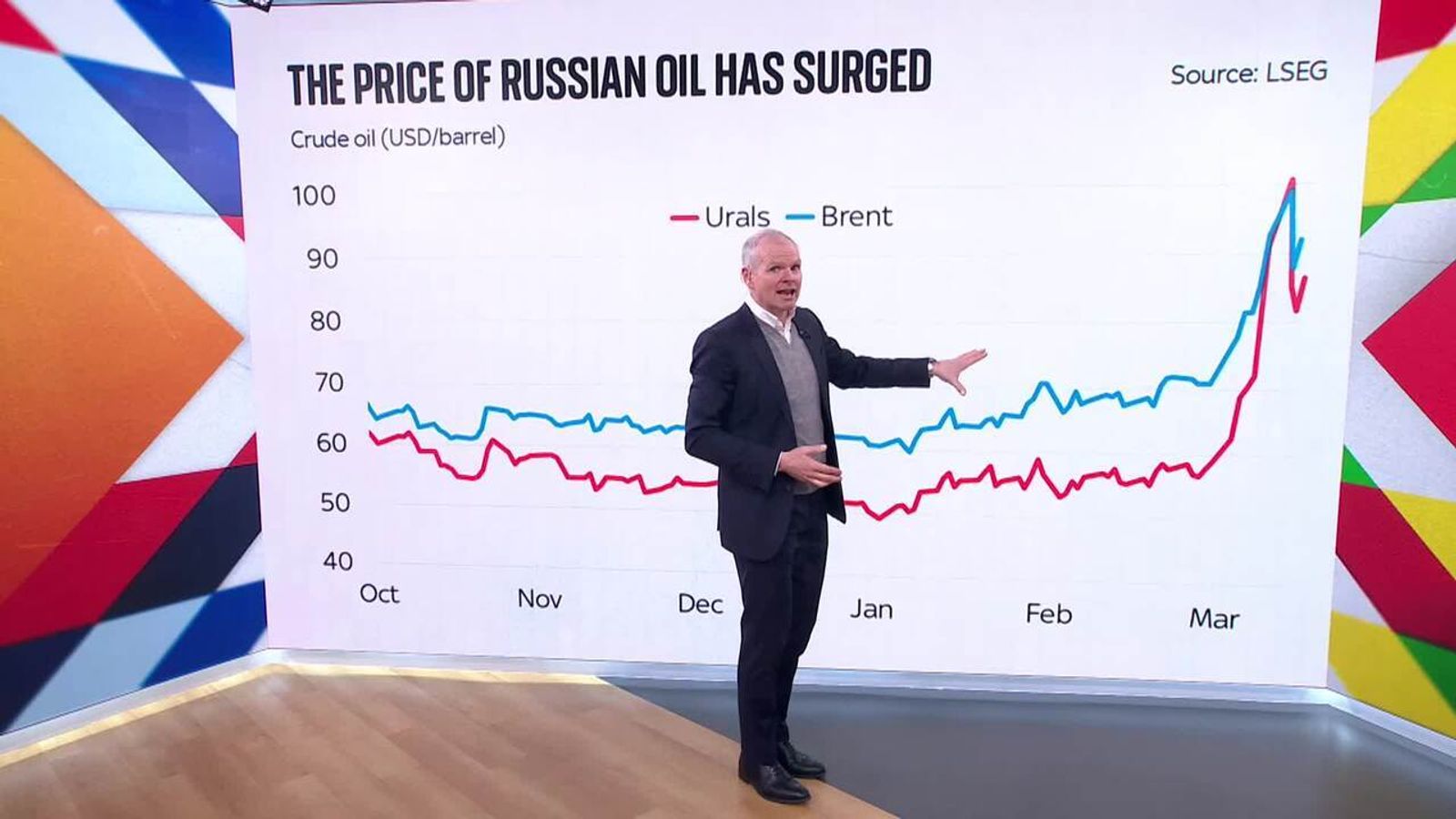
The G7 nations’ attempt to impose a price cap on Russian oil—limiting what buyers could pay to $60 per barrel—represented an innovative approach to sanctions, theoretically allowing oil to continue flowing to prevent global supply shocks while limiting Russia’s profits. In practice, however, this mechanism has proven far less effective than its architects hoped. The price cap relies on denying insurance and shipping services to tankers carrying Russian oil sold above the threshold, but Russia has responded by developing its own “shadow fleet” of aging tankers, often with obscure ownership structures and insurance arrangements that operate outside Western regulatory frameworks. This fleet, numbering in the hundreds of vessels, has allowed Russia to sell oil above the price cap to willing buyers, particularly in Asia, without triggering the sanctions mechanism. Furthermore, the enforcement of the price cap has been inconsistent at best, with limited resources devoted to tracking individual transactions and determining actual sale prices, which can be obscured through various financial arrangements. Some analysts estimate that Russia has regularly exceeded the price cap on significant portions of its exports, particularly when global oil prices have risen due to OPEC+ production cuts or other supply disruptions. The price cap’s failure highlights a fundamental challenge in modern economic warfare: in a globalized economy with multiple centers of power, unilateral or even multilateral sanctions can be circumvented by determined actors willing to develop alternative systems. Putin has capitalized on this reality, understanding that while Western nations can control their own markets and financial systems, they cannot dictate behavior to the entire world, particularly to large developing economies that prioritize their own growth over alignment with Western foreign policy objectives.
Energy Leverage Over Europe: The Long Game
Perhaps nowhere has Putin’s energy strategy proven more effective than in his dealings with Europe, a continent that spent decades becoming increasingly dependent on Russian natural gas. When Russia dramatically reduced gas flows through pipelines like Nord Stream 1 and eventually ceased them entirely following the mysterious explosions that destroyed Nord Stream 2, Europe faced an energy crisis of historic proportions. Electricity prices skyrocketed, industries faced shutdowns, and governments scrambled to secure alternative supplies while urging citizens to reduce consumption. While this crisis has accelerated Europe’s transition away from Russian energy—with countries building LNG terminals, securing contracts with alternative suppliers, and investing heavily in renewables—the transition has come at enormous economic cost and has by no means eliminated European vulnerability. Putin’s willingness to weaponize energy supplies has demonstrated to European leaders that their previous policy of economic interdependence, which they hoped would create shared interests and prevent conflict, was based on a fundamental miscalculation of his intentions and risk tolerance. The revenue Russia has sacrificed from reduced European sales has been partially offset by the higher prices those reduced supplies commanded, both for Russian gas sold elsewhere and for global energy markets generally. Moreover, the energy crisis has strained European unity, with different nations pursuing divergent strategies based on their specific vulnerabilities and resources—exactly the kind of division that serves Russian interests. Some European countries, particularly in Central and Eastern Europe, have maintained strong opposition to Russia and pushed for the strictest possible sanctions, while others, facing severe economic pressures, have occasionally wavered or sought carve-outs. Putin’s energy warfare has imposed real costs on Russia’s economy and accelerated a long-term decline in its position as Europe’s energy supplier, but in the short to medium term, it has generated substantial revenue while demonstrating Russia’s willingness to endure economic pain in pursuit of geopolitical objectives—a demonstration that has implications far beyond the energy sector.
Building an Alternative Financial Architecture
One of the most significant long-term consequences of the oil war has been Russia’s accelerated efforts, often in coordination with China and other nations, to build financial and trading systems that operate independently of Western institutions. When Western nations froze Russian central bank assets and excluded major Russian banks from the SWIFT international payment system, they deployed what many considered the “nuclear option” of economic sanctions. Putin’s response has been to double down on developing alternatives that, if successful, could fundamentally reshape the global financial system. Russia and China have dramatically increased trade conducted in their own currencies rather than dollars, with Russian oil sales to China increasingly settled in yuan. Russia has connected its own financial messaging system, SPFS, with China’s CIPS system, creating an alternative to SWIFT for transactions between the two countries and potentially other nations seeking to avoid Western financial oversight. India has explored payment mechanisms using rupees for Russian oil purchases, though this has created its own complications given Russia’s limited interest in holding large rupee balances. These developments represent more than temporary workarounds; they’re building blocks of a potential alternative financial architecture that could eventually allow a significant portion of global trade to occur outside the dollar-dominated system that has underpinned American economic power since World War II. For Putin, this is about more than surviving current sanctions—it’s about creating a multipolar financial world in which Western economic pressure becomes less effective against any nation. The irony is that Western sanctions, intended to isolate and weaken Russia, may have accelerated the development of systems that could ultimately reduce Western financial influence globally. While the dollar’s dominance remains overwhelming and these alternative systems are still in their relative infancy, the trajectory is clear, and it’s one that serves Putin’s long-term vision of a world in which American hegemony is constrained and regional powers have greater autonomy.
The Sustainability Question and Future Prospects
The critical question surrounding Putin’s oil war strategy is whether Russia’s current approach is sustainable in the long term or whether it represents a temporary exploitation of favorable circumstances that will eventually reverse. There are compelling arguments on both sides. On one hand, Russia has demonstrated remarkable resilience in adapting to sanctions, finding new markets, and maintaining revenue flows that, while reduced from peak levels, have prevented economic collapse and continued funding government operations, including the war in Ukraine. The global transition to renewable energy, while accelerating, will take decades to complete, ensuring continued demand for fossil fuels in which Russia has abundant reserves. Russia’s strengthened energy partnerships with China and India may prove durable, particularly as these rapidly growing economies require secure energy supplies and see value in a multipolar world order. On the other hand, Russia faces significant long-term challenges. European markets, once the most lucrative customers for Russian energy, are unlikely to return to previous dependency levels regardless of how the current conflict resolves. The discounts Russia has been forced to offer Asian customers to secure their business reduce profit margins significantly. Russia’s energy infrastructure, facing reduced access to Western technology and services due to sanctions, may deteriorate over time, making production more difficult and expensive. The global acceleration of renewable energy development, driven partly by the desire to reduce dependency on unreliable suppliers like Russia, may reduce fossil fuel demand more quickly than currently projected. Perhaps most significantly, Russia’s reputation as a reliable supplier has been permanently damaged; even nations that currently purchase Russian energy do so with the understanding that supplies could be weaponized at any moment for political purposes. This reputation damage will make it difficult for Russia to command premium prices or secure the most favorable terms in future negotiations. Putin’s oil war has undeniably generated significant short-term benefits for Russia, allowing the country to weather sanctions better than many predicted and providing resources to continue pursuing his geopolitical objectives. However, the strategy may prove to be a Pyrrhic victory, maintaining current power at the cost of long-term economic development and international standing. The final verdict on whether Putin’s oil war gambit was brilliant strategic thinking or a destructive dead-end may not be clear for years or even decades, but what is certain is that the global energy landscape has been fundamentally transformed, with consequences that will echo long after current conflicts fade from headlines.