


NCAA Illegal Betting Investigation Widens: A Growing Scandal in College Sports
The Expanding Scope of the Investigation
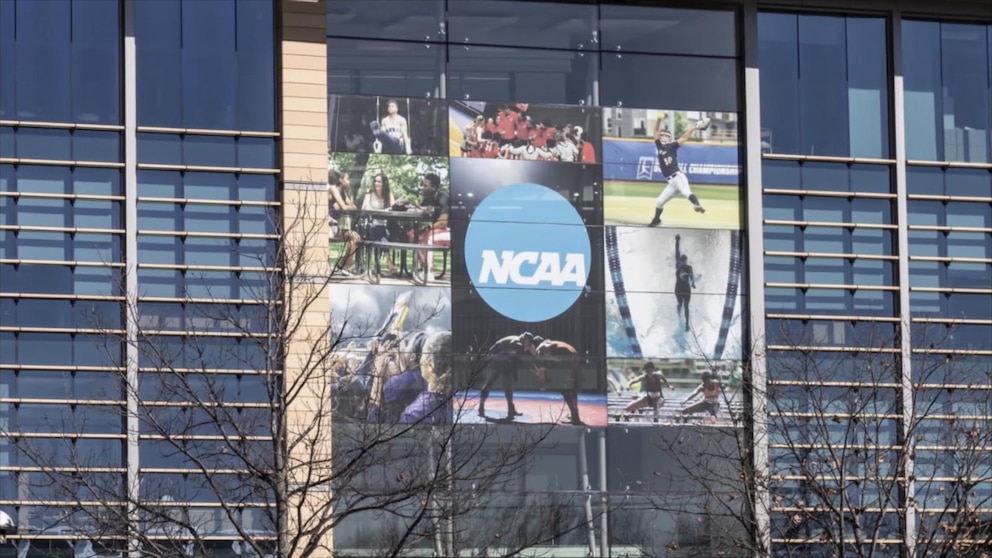
The NCAA is currently dealing with one of its most serious challenges in recent memory as an illegal betting investigation continues to expand across multiple universities and sports programs throughout the country. What initially began as isolated incidents has transformed into a sweeping examination of potential gambling violations that threatens to shake the very foundation of collegiate athletics. The investigation has already implicated numerous student-athletes, coaches, and individuals associated with various college sports programs, raising serious questions about the integrity of competition and the effectiveness of current safeguards against illegal gambling in college sports. As the probe deepens, the NCAA is uncovering a complex web of betting activities that spans different conferences, sports, and geographic regions, suggesting that the problem may be far more widespread than initially anticipated. The governing body of college athletics is now facing mounting pressure to not only address the current violations but also to implement more robust preventive measures to protect the integrity of collegiate competition moving forward.
The investigation has sent shockwaves through the college sports community, as administrators, coaches, athletes, and fans grapple with the implications of these revelations. The timing of this scandal is particularly troubling given the recent expansion of legalized sports betting across numerous states, which has created both opportunities and challenges for maintaining the integrity of amateur athletics. While legal sports betting has brought the activity out of the shadows in many jurisdictions, it has also apparently made it easier for those within college sports programs to engage in prohibited gambling activities. The NCAA’s strict rules prohibit student-athletes, coaches, athletic department staff, and others associated with college sports from betting on any NCAA-sanctioned sport, regardless of whether they have any connection to the specific teams or events in question. These regulations exist to preserve the fundamental principle that college sports should be about education, character development, and fair competition rather than financial gain through gambling.
High-Profile Cases and Consequences
Several high-profile cases have emerged as the investigation has progressed, with student-athletes from major programs facing serious consequences for their involvement in illegal betting activities. In some instances, talented players who were crucial to their teams’ success have been suspended or permanently banned from competition after evidence surfaced that they had violated NCAA gambling policies. These cases have ranged from relatively minor infractions involving small wagers on professional sports to more serious allegations of athletes betting on games in which they participated or had inside knowledge. The most troubling cases involve situations where the integrity of actual competition may have been compromised, with investigations exploring whether any athletes or coaches deliberately influenced game outcomes for gambling purposes. While the majority of cases appear to involve poor judgment rather than actual game-fixing, the mere possibility of compromised competition has raised alarm bells throughout the college sports world.
The consequences for those found guilty of violating NCAA gambling policies have been severe and life-changing. Student-athletes who have spent years developing their skills and dreaming of professional careers have seen those aspirations crumble in the wake of betting scandals. Some have lost their scholarships, which for many represents not just the opportunity to play sports but also the chance to obtain a college education that might otherwise have been financially out of reach. Coaches and staff members implicated in the investigations have faced termination, professional disgrace, and in some cases, potential legal consequences beyond the NCAA’s disciplinary actions. The ripple effects extend beyond the individuals directly involved, as entire teams have suffered from the loss of key players, tarnished reputations, and the distraction that such scandals inevitably create. Universities have also faced significant reputational damage, with prospective students, athletes, donors, and sponsors reconsidering their associations with programs embroiled in gambling controversies.
The Role of Technology and Social Media
Modern technology and social media platforms have played a complex dual role in the current gambling crisis, both facilitating illegal betting activities and helping authorities uncover violations. The proliferation of online sports betting platforms, many of which operate in legal gray areas or from offshore locations, has made it remarkably easy for anyone with a smartphone to place bets on virtually any sporting event. Student-athletes, like their peers, are deeply embedded in digital culture and constantly connected to devices that provide instant access to these betting platforms. The convenience and perceived anonymity of online betting may have contributed to a false sense of security among those who violated NCAA rules, with some apparently believing they could gamble without detection. Additionally, peer pressure and the normalization of sports betting in broader society may have led some student-athletes to underestimate the seriousness of NCAA prohibitions or to rationalize their rule violations.
Ironically, the same digital technologies that have facilitated illegal betting have also been instrumental in uncovering violations. NCAA investigators have increasingly relied on digital forensics, social media monitoring, and data analysis to identify suspicious patterns and behaviors. Text messages, social media posts, banking records, and betting platform data have all provided crucial evidence in building cases against rule violators. In some instances, student-athletes essentially documented their own violations through social media posts or electronic communications that were later discovered by investigators. The NCAA has also benefited from cooperation with legal sports betting operators, who are required to report suspicious betting patterns that might indicate insider information or manipulation. This collaboration between college athletics authorities and the regulated gambling industry represents a new frontier in efforts to maintain competitive integrity, though questions remain about the adequacy of current detection and prevention systems.
Institutional Responses and Prevention Efforts
In response to the widening scandal, universities and athletic conferences have been scrambling to enhance their education and prevention programs related to gambling. Many institutions have acknowledged that their previous efforts to inform student-athletes about gambling policies were insufficient, often consisting of little more than brief mentions during orientation sessions or inclusion in lengthy rulebooks that few actually read thoroughly. Athletic departments are now implementing more comprehensive and engaging educational programs that clearly explain not only the rules but also the reasoning behind them and the serious consequences of violations. These programs increasingly feature interactive elements, real-world case studies, and testimonials from athletes whose careers were derailed by gambling violations, in an attempt to make the message more impactful and memorable.
Beyond education, institutions are also exploring technological solutions and enhanced monitoring systems to detect potential violations before they escalate. Some programs have implemented social media monitoring tools, though these raise privacy concerns that must be carefully balanced against compliance objectives. Athletic departments are also working more closely with campus compliance offices, sports integrity organizations, and even legal betting operators to identify red flags that might indicate prohibited gambling activities. There is growing recognition that the traditional honor system and reactive approach to gambling violations are insufficient in the current environment, where betting is more accessible than ever and the financial stakes have never been higher. However, implementing effective prevention and detection systems requires significant resources, expertise, and institutional commitment, which varies considerably across the diverse landscape of NCAA member institutions.
The Broader Context of Legalized Sports Betting
The current investigation is unfolding against the backdrop of a dramatic shift in the legal status of sports betting across the United States. Following the Supreme Court’s 2018 decision to overturn the federal ban on sports betting, more than thirty states have legalized the activity in some form, generating billions of dollars in wagers and tax revenue. This transformation has fundamentally altered the relationship between sports and gambling, bringing an activity that was once hidden and stigmatized into the mainstream of American culture. Sports media coverage now routinely includes betting lines and wagering advice, professional leagues have embraced partnerships with gambling companies, and betting advertisements are ubiquitous during sporting events. For young people, including college athletes, sports betting has become normalized in a way that would have been unthinkable just a few years ago.
This broader cultural shift has created significant challenges for the NCAA and its member institutions, which must maintain strict prohibitions on athlete gambling even as society has largely embraced and legalized the activity. The disconnect between what is legal for the general public and what is prohibited for college athletes can be difficult to navigate, particularly for young people who see betting advertisements constantly and may have friends and family members who regularly wager on sports. Critics argue that the NCAA’s absolute prohibition on any sports betting by athletes, regardless of the sport or their connection to it, is overly broad and out of step with modern realities. However, defenders of the current policy argue that maintaining clear, bright-line rules is essential to protecting competitive integrity and that any relaxation of gambling prohibitions would open the door to far more serious problems. The tension between these perspectives is likely to intensify as legal sports betting becomes even more prevalent and integrated into American sports culture.
Looking Forward: Challenges and Reforms
As the investigation continues to widen and more cases come to light, the NCAA faces difficult questions about how to address both the immediate crisis and the underlying systemic issues that have contributed to it. In the short term, the organization must balance the need for accountability and deterrence with fairness to individual athletes, many of whom are young people who made mistakes without fully understanding the consequences. There are legitimate debates about whether lifetime bans are appropriate for all gambling violations or whether some athletes deserve second chances, particularly in cases involving relatively minor infractions with no impact on competitive integrity. The NCAA must also consider how to handle institutional accountability, determining whether universities that failed to adequately educate athletes or monitor for violations should face penalties beyond those imposed on individuals.
Looking to the future, there is growing consensus that the current approach to preventing and detecting gambling violations needs substantial reform. This may include more sophisticated education programs, better monitoring and detection systems, clearer distinctions between different types of violations with proportional consequences, and perhaps even reconsideration of certain aspects of current policies. Some have suggested that the NCAA should focus its absolute prohibitions on betting related to an athlete’s own sport or team while potentially relaxing rules about betting on unrelated sports, though this approach has both supporters and critics. Whatever reforms are implemented, they will need to recognize the reality of the current sports betting landscape while maintaining the fundamental principle that college athletes should not be wagering on sports in ways that could compromise competitive integrity or exploit their insider knowledge. The widening investigation has revealed that the current system is not working as intended, and meaningful change will be necessary to restore trust and protect the future of college athletics in an era when sports betting is more prevalent than ever before.