

Nevada Counter-Terrorism Investigation: What We Know About the Boulder City Power Facility Incident
A Shocking Attack Attempt Unfolds in the Nevada Desert
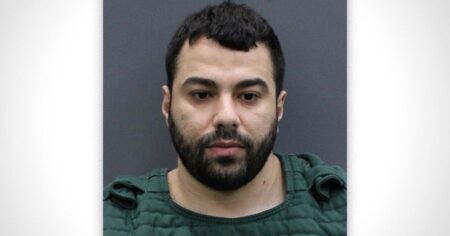
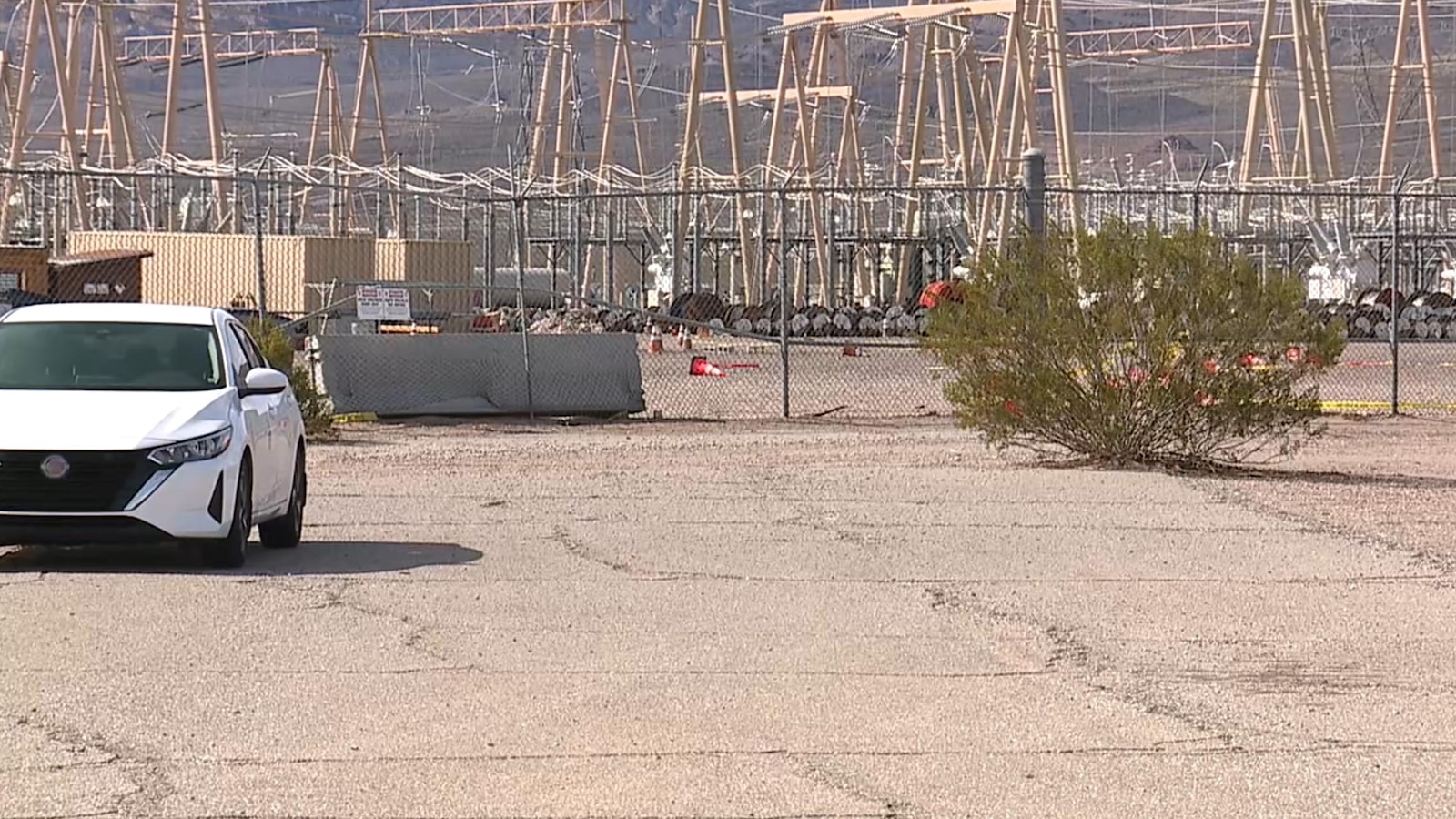
On a seemingly ordinary Thursday morning in Nevada, authorities responded to what would become a complex counter-terrorism investigation involving a cross-country journey that ended in tragedy. The incident centered around the Los Angeles Department of Water and Power facility located near Boulder City, Nevada, where a young man from Albany, New York, allegedly attempted to breach security by ramming a vehicle through the facility’s secured gates. The suspect, identified as 23-year-old Dawson Maloney, was found deceased at the scene from what investigators determined to be a self-inflicted gunshot wound to the head. Las Vegas Metropolitan Police Department Sheriff Kevin McMahill addressed the media during a Friday press conference, revealing the disturbing details of an incident that authorities are treating with the utmost seriousness as a potential act of domestic terrorism. The investigation has revealed a troubling picture of premeditation, ideological confusion, and a young man’s apparent descent into violence that fortunately was stopped before causing widespread damage to critical infrastructure.
The Timeline of Events and Initial Discovery
The incident began to unfold around 10 a.m. local time when emergency dispatchers received a 911 call reporting a vehicle crash at the power substation. The caller described a scene of chaos: a vehicle had crashed through the facility’s secured gate, and the driver appeared to be deceased, with gunshots heard following the collision. Surveillance footage shown during the official press conference captured the moments leading up to the breach, showing Maloney’s vehicle approaching the facility before deliberately ramming through the security gate. However, the attack was effectively halted by an unlikely obstacle—large industrial wire reels positioned within the facility grounds prevented the vehicle from advancing further into the complex. This fortunate placement of equipment may have prevented what could have been a far more catastrophic incident. Sheriff McMahill noted that the suspect was discovered wearing soft body armor at the time of the incident, suggesting he had anticipated potential confrontation with law enforcement or security personnel. The self-inflicted gunshot wound appears to have occurred after the vehicle became immobilized, though the exact sequence of events is still under investigation.
A Cross-Country Journey with Dark Intentions
Investigators pieced together Maloney’s movements using license plate reader data and other surveillance technologies, revealing that he had undertaken a deliberate cross-country trip from New York to Nevada. According to FBI Special Agent in Charge Christopher Delzotto, Maloney rented a vehicle on February 12 and departed the Albany area approximately two days later, on February 14. This multi-day journey across the United States demonstrated a level of planning and commitment that has deeply concerned law enforcement officials. Authorities revealed that Maloney had been reported missing from his Albany home, causing concern among his family members. In a chilling detail that highlights the premeditated nature of the incident, Sheriff McMahill disclosed that Maloney had contacted his family shortly before the attempted ramming. During these communications, he made multiple statements referencing self-harm and expressed intentions to commit an act that would gain media attention and place him “on the news.” In one particularly disturbing message to his mother, Maloney referred to himself as a “dead terrorist son” and stated that he felt obligated to carry out his planned action, suggesting a troubled state of mind combined with a sense of misguided purpose or mission.
Disturbing Discoveries in Hotel Room and Vehicle
When investigators executed a search warrant at the hotel where Maloney had been staying, they uncovered evidence that “significantly elevated the seriousness of this incident,” according to Sheriff McMahill. The hotel room contained an alarming collection of materials that painted a picture of someone preparing for violence and potentially larger-scale attacks. Among the most concerning items were explosive materials and components, including thermite (an incendiary composition used to generate extreme heat), ammonium nitrate (a chemical compound that can be used in explosives), magnesium ribbon (which burns at extremely high temperatures), metal pipes that could be fashioned into explosive devices, and containers of gasoline. The vehicle itself was essentially a mobile arsenal. Investigators recovered multiple firearms, including two shotguns and an AR-style pistol, along with numerous loaded AR magazines, a box of shotgun shells, and remarkably, two flamethrowers. The quantity and variety of weapons suggested that Maloney had prepared for multiple contingencies or had planned for a sustained confrontation. Perhaps equally troubling was the collection of reading materials found in his hotel room—books covering a wide spectrum of extremist ideologies spanning both right-wing and left-wing extremism, environmental extremism, white supremacy, and anti-government ideology. This eclectic mix suggests someone who may have been searching for meaning or purpose across various radical movements without firmly committing to any single ideology.
The Investigation Continues: Searching for Motive
Despite the wealth of physical evidence recovered from both the hotel room and the vehicle, investigators have not yet determined a clear motive for Maloney’s actions. The diverse range of extremist literature found in his possession has complicated efforts to understand what specifically drove him to target this particular facility. The Los Angeles Department of Water and Power facility near Boulder City represents critical infrastructure that serves millions of people in Southern California, making it a potentially high-value target for someone seeking to cause widespread disruption. However, authorities have not disclosed whether Maloney left behind any manifesto, detailed writings, or digital communications that might explain why he chose this specific location or what he hoped to accomplish beyond gaining notoriety. The investigation involves multiple law enforcement agencies, including the Las Vegas Metropolitan Police Department, the FBI, and likely other federal agencies concerned with protecting critical infrastructure and investigating domestic terrorism. Investigators are working to build a complete picture of Maloney’s activities in the days and weeks leading up to the incident, including his online activities, purchases, and any contacts he may have had with other individuals who share extremist views. Understanding the radicalization process and what triggers individuals to move from consuming extremist content to taking violent action remains a critical challenge for law enforcement and counterterrorism professionals.
Community Safety and Broader Implications
Authorities have emphasized that there was no damage to the facility itself and, crucially, no ongoing threat to the community. The power and water infrastructure continues to operate normally, and service to customers was never interrupted. However, the incident has raised important questions about the security of critical infrastructure facilities and the challenge of identifying and intervening with individuals who may be on a path toward violence. The case of Dawson Maloney appears to fit a concerning pattern of young people, often socially isolated and searching for meaning, who consume extremist content online and eventually decide to take violent action. The warning signs were present—he had been reported missing by his family, made statements about self-harm and wanting to make the news, and clearly communicated his intentions to his mother before the attack. This raises questions about what intervention mechanisms might exist to help families and communities identify and assist individuals showing these warning signs before they act on violent impulses. As the investigation continues, authorities will likely examine whether Maloney had any accomplices or whether he communicated with others online who may have encouraged his actions. The incident serves as a stark reminder of the diverse and evolving nature of domestic terrorism threats, which can emerge from individuals across the ideological spectrum and target various types of infrastructure and institutions. For the Boulder City community and the nation as a whole, this incident underscores the importance of vigilance, robust security measures at critical facilities, and the ongoing challenge of addressing radicalization and violence before they manifest in tragic incidents like this one.