

The Federal Reserve Leadership Transition: Powell’s Historic Crossroads
A Defining Moment for America’s Central Bank
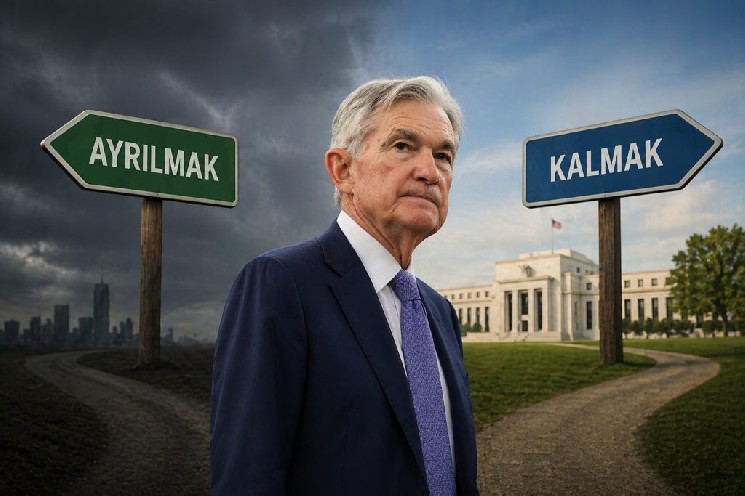
The Federal Reserve, America’s central banking system, stands at a pivotal crossroads as Chairman Jerome Powell’s tenure approaches its conclusion on May 15th. This isn’t just another routine leadership change in Washington—it’s a moment that could fundamentally reshape the institution’s independence and influence over the U.S. economy for years to come. Powell faces a decision that goes beyond simply stepping down from the chairmanship: whether to remain on the Fed’s Board of Governors, a position he could legally hold until 2028. This choice carries enormous weight, not just for Powell personally after nearly fourteen years of service, but for the future direction of monetary policy and the delicate balance between political influence and central bank independence that has defined American economic governance for decades.
The drama surrounding this transition has been heightened by recent legal developments that have added unexpected complexity to what might otherwise have been a straightforward succession process. The U.S. Department of Justice’s decision to drop its criminal investigation into Powell has removed one significant cloud hanging over the transition, yet questions remain about whether the matter is truly settled. Republican Senator Thom Tillis has publicly stated he received assurances that the investigation is effectively over, which has cleared a path for Kevin Warsh—widely expected to be Powell’s successor—to move forward with Senate confirmation. This legal resolution strengthens the likelihood that Warsh could assume leadership even before Powell’s official term expires, potentially accelerating a transition that many had expected to extend into the summer months.
The Lingering Questions About Powell’s Future Role
Despite the apparent resolution of the criminal investigation, Powell’s path forward remains clouded with uncertainty. The chairman himself previously indicated that any decision about remaining on the Board of Governors would require the investigation to be “fully and transparently concluded.” This sets a high bar that current circumstances may not entirely meet. Interim Attorney General Todd Blanche has acknowledged that certain aspects of the inquiry continue under review, particularly an ongoing audit examining the Federal Reserve’s building renovation costs. This revelation suggests the matter isn’t as neatly wrapped up as some political figures have suggested, leaving Powell in the uncomfortable position of making a momentous career decision while legal questions still linger in the background.
The distinction between Powell’s role as chairman and his potential continued service as a board member is crucial to understanding the stakes involved. Historically, the overwhelming majority of Federal Reserve chairmen have chosen to leave the Board of Governors entirely when their terms as chair conclude, viewing the transition as a natural endpoint to their service. However, the legal structure allows for chairmen to remain as regular board members, participating in policy decisions without holding the top leadership position. This would be an unusual choice, but not unprecedented, and it would allow Powell to continue influencing monetary policy discussions even as new leadership takes the helm. The question is whether Powell views this ongoing role as helpful to the institution’s stability or potentially awkward given the transition to new leadership.
Political Implications and the Balance of Power
Powell’s decision carries significant political ramifications that extend far beyond his personal career trajectory. If Powell chooses to leave the Board of Governors entirely, President Donald Trump would gain the opportunity to appoint another member to fill that vacancy. This would represent a substantial shift in the Fed’s composition and could potentially alter the philosophical balance that currently exists among board members regarding monetary policy approaches. Some observers view this prospect with concern, worrying that it could tilt the Fed toward more politically motivated decision-making rather than the data-driven, independent approach the institution has traditionally maintained. The Federal Reserve’s credibility in financial markets depends heavily on perceptions of its independence from short-term political pressures, and any move that appears to compromise that independence could have tangible economic consequences.
Conversely, if Powell decides to remain on the board as a regular member, his continued presence would serve as a form of institutional continuity and potentially a check on dramatic policy shifts. Many economists and market observers believe that Powell’s decision to stay would send a powerful signal about the Fed’s resilience and commitment to maintaining its independence despite the political turbulence that has characterized recent years. His presence would provide valuable institutional memory and experience during what promises to be a consequential period for American monetary policy, as the Fed navigates ongoing concerns about inflation, employment, and economic growth. The symbolism of Powell remaining would also counter narratives that political pressure can force out central bank leaders who don’t align perfectly with executive branch preferences.
Expert Perspectives on the Institutional Stakes
Economic analysts and former Fed officials are divided on what Powell’s best course of action should be, reflecting the genuine complexity of the decision he faces. One camp argues that a clean break would be healthiest for both Powell and his successor. According to this view, Kevin Warsh needs the space to establish his own leadership style and policy priorities without the shadow of his predecessor remaining on the board. Having a former chairman sitting as a regular board member could create awkward dynamics during policy debates and potentially undermine Warsh’s authority as he attempts to guide the Fed through challenging economic conditions. Proponents of this perspective suggest that Powell has served with distinction and should feel comfortable returning to private life knowing he helped steer the economy through the pandemic and its aftermath.
The opposing viewpoint emphasizes the unprecedented political pressures the Federal Reserve has faced in recent years and argues that Powell’s departure under these circumstances could set a dangerous precedent. These observers worry that Powell leaving entirely might be interpreted as validation of the criticism directed at him, potentially emboldening future political interference with the Fed’s operations. They contend that Powell remaining on the board would demonstrate that Fed governors make decisions based on their assessment of economic conditions and institutional responsibilities, not in response to political pressure campaigns. This perspective sees Powell’s continued service as essential to preserving the norms of central bank independence that have served the American economy well for decades, even if it means accepting some awkwardness in the transition period.
Personal Considerations and the Road Ahead
Beyond the institutional and political dimensions, Powell faces genuine personal considerations as he weighs this decision. After nearly fourteen years at the Federal Reserve—first as a board member beginning in 2012, then as chairman since 2018—Powell is reportedly eager to return to private life. The demands of leading the Fed through multiple economic crises, including the COVID-19 pandemic’s economic fallout and the subsequent inflation surge, have been immense. The role requires constant attention to global economic developments, financial market conditions, and domestic economic indicators, along with the political scrutiny that comes with being one of the most powerful economic policymakers in the world. The appeal of stepping away from this pressure and returning to a more private existence is entirely understandable for someone who has served in high-pressure government roles for more than a decade.
However, the current political atmosphere complicates what might otherwise be a straightforward personal decision. Powell faces the uncomfortable reality that the timing and circumstances of his departure will inevitably be interpreted through a political lens, regardless of his actual motivations. If he leaves now, some will view it as capitulation to political pressure, even if his decision is genuinely driven by a desire to return to private life after years of public service. If he stays, others will interpret it as political positioning or an attempt to maintain power and influence. There’s no option available to Powell that avoids political interpretation, which makes an already difficult decision even more complex. As the May 15th deadline approaches, Powell must balance his personal preferences, his sense of institutional responsibility, and his assessment of what’s best for the Federal Reserve’s long-term independence and credibility. Whatever he decides will be remembered as a defining moment not just in his own career, but in the ongoing story of America’s central banking system and its role in the nation’s economic future.