

Investigation into Fatal Drone Attack Raises Critical Questions About U.S. Troop Safety
Senators Demand Answers After Deadly Strike in Kuwait
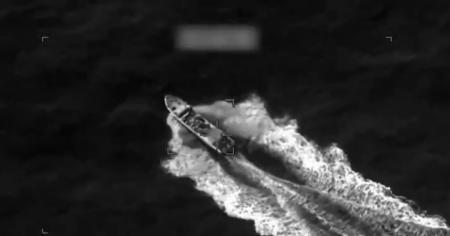
A devastating drone attack that claimed the lives of six American servicemembers and injured more than 20 others in Kuwait has sparked a formal congressional investigation, with four Democratic senators now questioning whether the Pentagon failed to adequately protect U.S. troops stationed at the vulnerable command post. The inquiry, led by Senators Kirsten Gillibrand of New York, Elizabeth Warren of Massachusetts, Richard Blumenthal of Connecticut, and Mark Kelly of Arizona, comes in response to troubling accounts from soldiers who survived the attack. These servicemembers, speaking publicly for the first time, have painted a dramatically different picture of events than the one initially presented by Defense Secretary Pete Hegseth. Their testimonies suggest that troops were stationed at a location known to be a potential Iranian target, yet were left without appropriate defensive measures against modern drone warfare. The attack, which occurred on the opening day of what has now become a prolonged monthslong conflict between the United States and Iran, has raised fundamental questions about military preparedness and whether American forces were unnecessarily put in harm’s way.
Survivors Contradict Official Account of the Attack
The contrast between the official Pentagon narrative and the accounts provided by soldiers on the ground couldn’t be more stark. During a press conference held the day after the attack, Secretary Hegseth characterized the Iranian drone as a “squirter” that “happened to hit a tactical operations center that was fortified,” describing the weapons used as powerful but implying the incident was somewhat anomalous. However, survivors from the Army’s 103rd Sustainment Command have strongly disputed this characterization, with one injured soldier directly contradicting Hegseth’s description: “Painting a picture that ‘one squeaked through’ is a falsehood. I want people to know the unit was unprepared to provide any defense for itself. It was not a fortified position.” These firsthand accounts suggest a systemic failure in preparation rather than an unfortunate breach of otherwise adequate defenses. The survivors’ willingness to speak out, despite potential professional consequences, underscores the seriousness of their concerns and their desire to ensure that the truth about what happened is known. Their testimonies have provided crucial details about the conditions at the base that have now formed the foundation of the senatorial investigation.
Outdated Defenses in an Era of Modern Warfare
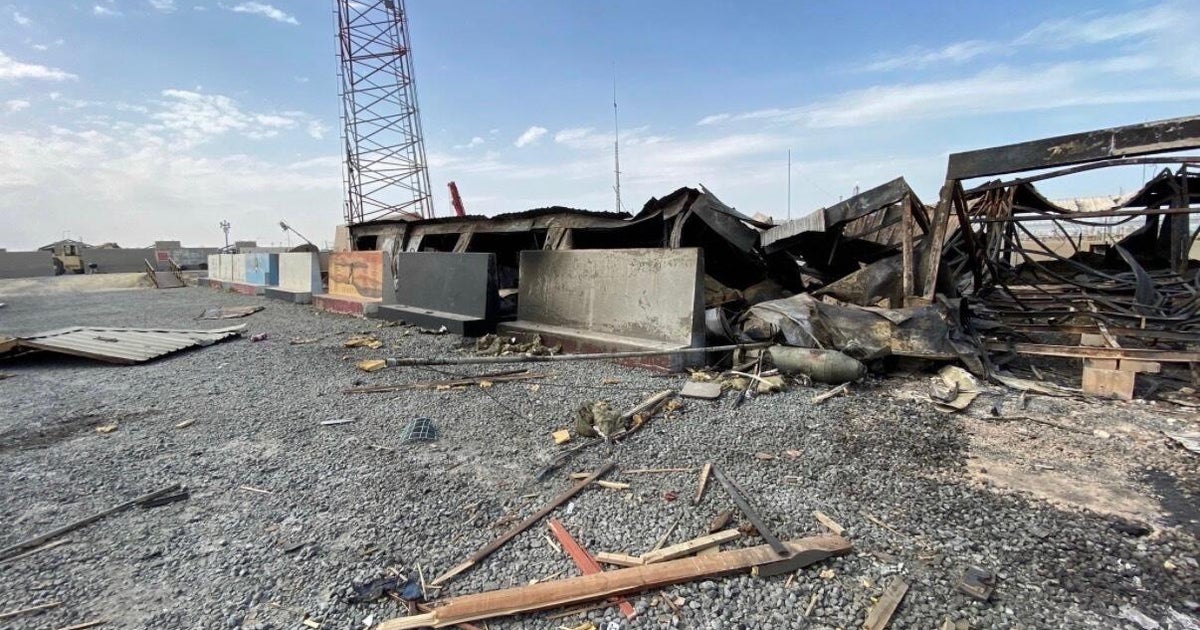
The tactical operations center that was struck represents a troubling mismatch between twentieth-century defensive structures and twenty-first-century threats. According to soldiers stationed there, the facility was typical of structures that were commonplace during the wars in Iraq and Afghanistan—conflicts that predated the current prominence of drone warfare. The base was surrounded by steel-reinforced concrete barriers known as T-walls, defensive structures specifically designed to shield servicemembers from the blast effects of mortars or rockets fired from ground level. However, these barriers offer virtually no protection against aerial attacks, particularly from the type of sophisticated drones that Iran has developed and deployed. One soldier described the location as “just kind of a classic, older military base, some small barriers, a bunch of little tin buildings where we can set up makeshift offices.” This description suggests facilities that might have been adequate for the threats of a previous era but were dangerously inadequate for the current security environment. Video footage from the aftermath of the strike shows smoke billowing from the damaged building with fires continuing to smolder, while survivors have described a horrifying scene with fellow soldiers suffering from severe shrapnel wounds and traumatic head injuries. The disconnect between the known threats and the actual protective measures in place raises serious questions about decision-making at multiple levels of the military command structure.
Intelligence Warnings Allegedly Ignored
Perhaps the most disturbing aspect of the investigation involves reports that military leadership may have had advance warning of the danger. According to at least one soldier who spoke with CBS News, intelligence assessments had identified the Kuwaiti post as being on a list of potential Iranian targets. If accurate, this revelation suggests that the attack was not only foreseeable but foreseen—making the apparent lack of enhanced defensive measures even more difficult to understand. The senators leading the investigation are specifically seeking information about risk assessments that were conducted related to the Kuwaiti post before the start of military operations against Iran. Senator Warren has been particularly direct in her criticism, stating: “Secretary Hegseth sent our troops to fight in Iran, refused to take basic steps to protect them, and then tried to cover up his failures when service members died. Hegseth’s leadership has been one betrayal after another—he must be held accountable.” These are extraordinarily serious allegations against a sitting Defense Secretary, suggesting not only inadequate preparation but potential deception in the aftermath of the attack. The question of what intelligence was available, who saw it, and what decisions were made in response will likely be central to the ongoing investigation. For the families of those killed and the survivors dealing with physical and psychological wounds, the possibility that this tragedy might have been prevented with proper precautions adds another layer of anguish to an already devastating situation.
Pentagon Response and Ongoing Investigation
The Defense Department has declined to provide detailed comments on the specific allegations, citing an active internal investigation into the incident. This response is procedurally standard but has done little to satisfy critics who believe transparency and accountability are urgently needed. Assistant Secretary of Defense Sean Parnell has defended the Pentagon’s actions, stating in a post on social media platform X that “every possible measure has been taken to safeguard our troops—at every level.” However, this assertion appears to directly contradict the accounts provided by soldiers who were actually stationed at the base, creating a credibility gap that the senators’ investigation will need to address. The tension between official statements and ground-level reality is not uncommon in military affairs, but the stakes in this case—six American lives lost and more than twenty servicemembers wounded—make the discrepancies particularly significant. Secretary Hegseth is scheduled to testify before the Senate Armed Services Committee, following testimony before a House panel, where he will undoubtedly face intense questioning about the preparations made to protect American forces, the intelligence assessments available before the attack, and the apparent contradictions between his initial characterization of the incident and the accounts provided by survivors.
Broader Implications for Military Readiness and Accountability
This investigation represents more than just an examination of a single tragic incident; it raises fundamental questions about how the United States military adapts to evolving threats and whether accountability mechanisms are functioning properly when failures occur. The transition from conventional warfare to an era dominated by drones, cyber attacks, and other emerging technologies requires not just new equipment but new thinking about force protection and base security. The apparent reliance on defensive structures designed for previous conflicts suggests that this adaptation may not be happening quickly enough, potentially leaving American servicemembers vulnerable at multiple locations. Furthermore, the disconnect between official accounts and the testimony of those who experienced the attack firsthand highlights ongoing challenges in military transparency and the willingness of leadership to acknowledge mistakes. For the investigation to be meaningful, it must not only determine what went wrong in this specific case but also identify systemic issues that could lead to similar failures in the future. The soldiers who survived this attack and chose to speak publicly have taken considerable personal risk to ensure that their story is heard. Their courage in coming forward, combined with the determination of senators to seek answers, offers hope that this tragedy might at least lead to changes that better protect future servicemembers. As the conflict with Iran continues with no clear end in sight, ensuring that American forces have adequate protection against the full spectrum of modern threats isn’t just a matter of proper planning—it’s a moral obligation to those who serve.