


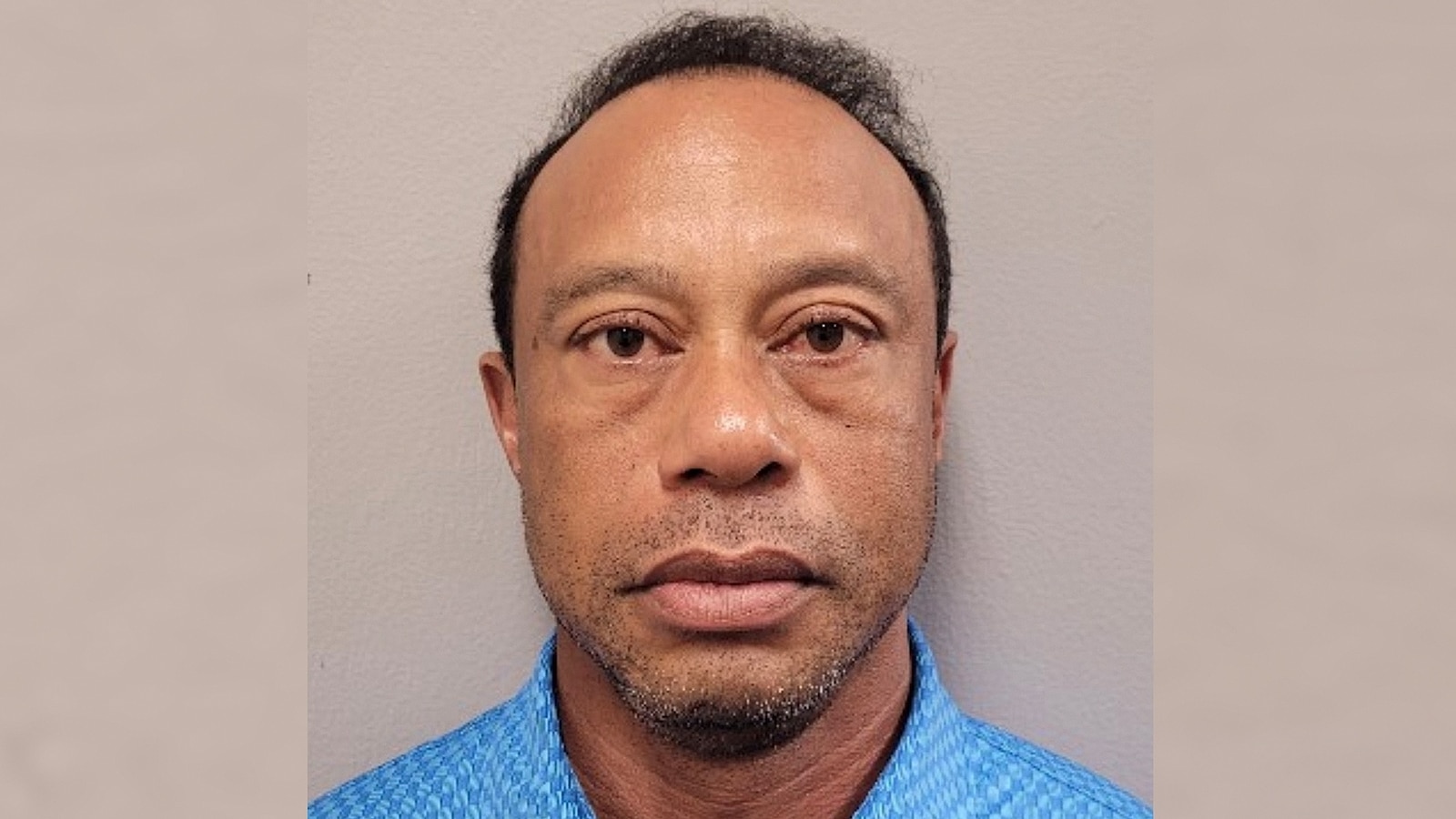

Tiger Woods Faces DUI Charges Following Rollover Crash in Florida
Distracted Driving Leads to Serious Accident
Tiger Woods, one of golf’s most iconic figures, found himself in legal trouble after a rollover crash on Jupiter Island, Florida, that could have ended in tragedy. According to the probable cause affidavit released by authorities, the legendary golfer admitted to being distracted at the wheel—looking down at his phone and adjusting his radio station—when he failed to notice that the vehicle ahead of him had slowed down. The incident occurred on a Friday afternoon on a narrow, two-lane road with a posted speed limit of just 30 miles per hour. While thankfully no one suffered injuries in the crash, Woods was arrested and now faces serious charges including driving under the influence with property damage and refusing to submit to a lawful test, according to the Martin County Sheriff’s Office. The circumstances surrounding the accident paint a concerning picture of the dangers of distracted and impaired driving, even for someone as accomplished and famous as Woods. The incident serves as a stark reminder that anyone can make poor decisions behind the wheel, and that the consequences can be severe not just for the driver but for everyone sharing the road.
Evidence of Impairment and Physical Symptoms
When deputies arrived at the scene and began their investigation, they observed several troubling signs that suggested Woods was not in a proper condition to be operating a vehicle. The probable cause affidavit detailed numerous physical symptoms that raised immediate red flags for the responding officers. A deputy noted that Woods was “sweating profusely” and that his movements appeared “lethargic and slow,” which are classic indicators of impairment. Paradoxically, Woods was also described as being “extremely alert and talkative,” and he had persistent hiccups throughout the entire investigation—a combination of symptoms that can indicate the influence of certain prescription medications. When asked to remove his sunglasses, Woods revealed eyes that were “bloodshot and glassy” with “extremely dilated” pupils, further evidence that something was affecting his normal faculties. Perhaps most significantly, authorities discovered two hydrocodone pills in Woods’ pants pocket. Hydrocodone is a powerful prescription opioid medication typically prescribed for severe, chronic pain, and it comes with well-documented side effects including dizziness, drowsiness, and impaired cognitive function—all conditions that make driving extremely dangerous.
Woods’ Medical History and Medication Use
During questioning, Tiger Woods provided some context about his medical situation that helps explain, though certainly not excuse, why he might have been driving while impaired by prescription medication. When authorities asked whether he had consumed any alcohol that day, Woods stated that he had not. However, when asked about prescription medications, the golfer replied, “I take a few,” acknowledging that he had taken his medication earlier that morning. Woods did not admit to consuming any illegal substances. The golfer also shared details about his extensive medical history, explaining to the deputy that he has “a limp and his ankle seizes while walking.” More significantly, Woods revealed that he has undergone “seven back surgeries and over twenty operations on his leg”—a staggering amount of medical intervention that speaks to the chronic pain issues he has been managing for years. Anyone familiar with Woods’ career knows that his later years have been marked by numerous injuries and medical procedures that have repeatedly sidelined him from competitive golf. While this extensive surgical history helps explain why he might be prescribed powerful pain medications like hydrocodone, it also raises important questions about whether he was adequately managing these medications and making responsible decisions about when it was safe to drive.
The Accident Sequence and Potential for Tragedy
The accident itself unfolded in a manner that highlights how quickly distracted and impaired driving can lead to disaster. According to authorities, a truck pulling a small pressure-cleaning trailer was slowing down to turn into a driveway when Woods approached from behind at a high rate of speed. Either because he was looking at his phone, adjusting his radio, or impaired by medication—or likely some combination of all three—Woods failed to recognize that the vehicle ahead was slowing. He attempted to pass the truck but clipped the back of the trailer, and the impact caused his SUV to tip over onto the driver’s side. The vehicle then slid along the road before finally coming to a stop. Woods was able to extract himself from the crashed vehicle by climbing out through the passenger side. Authorities noted that the location of the accident—a narrow, two-lane road with little room for drivers to move aside—meant that the incident could have been far more serious if there had been oncoming traffic. The fact that no one was injured is fortunate, but the crash easily could have resulted in serious injuries or even fatalities if the circumstances had been slightly different. This near-miss serves as a sobering reminder of the potential consequences of impaired driving.
Field Sobriety Tests and Refusal to Cooperate
Following standard procedure in suspected DUI cases, a deputy walked Woods through a series of field sobriety tests designed to assess whether his normal faculties were impaired. These tests typically include tasks like walking in a straight line, standing on one leg, and following a moving object with one’s eyes—all designed to reveal whether someone’s balance, coordination, and cognitive function are compromised. After observing Woods’ performance on these tests, combined with the physical symptoms and evidence already gathered, the deputy concluded, “I believed that Woods normal faculties were impaired, and he was unable to safely operate the motor vehicle.” This official determination formed the basis for the DUI charge. Authorities also administered a breathalyzer test, which showed no alcohol in Woods’ system, confirming his earlier statement that he had not been drinking. However, when asked to submit to a urine test—which is used to detect the presence of drugs or medications in someone’s system—Woods refused. This refusal to submit to a lawful chemical test resulted in an additional charge and is often viewed negatively in DUI cases, as it can suggest consciousness of guilt. The refusal means that authorities were unable to definitively document which substances were in Woods’ system at the time of the crash, though the hydrocodone pills found in his possession and his admission to taking prescription medication earlier that day paint a clear picture.
A Troubling Pattern and Future Implications
This incident is not the first time Tiger Woods has been involved in a serious vehicle accident, raising concerns about a pattern of behavior. In 2021, Woods suffered serious injuries to his leg in a rollover crash in Los Angeles County, California. In that incident, authorities determined that the golfer was speeding when his car hit the center median, crossed into the opposite lane, struck a curb and a tree, and then rolled over several times. While he showed no signs of impairment in that 2021 crash—it was attributed to excessive speed and driver error—the fact that Woods has now been involved in two rollover accidents within a relatively short time frame is concerning. The 2021 crash resulted in significant injuries that required additional surgeries and extensive rehabilitation, adding to the already considerable toll that injuries have taken on his body and career. Now, facing DUI charges that could result in fines, license suspension, and potentially even jail time, Woods finds himself in a difficult position both legally and in terms of public perception. As someone who has worked hard to rehabilitate his image after previous personal scandals, this latest incident represents a significant setback. It also raises important questions about how individuals managing chronic pain with powerful prescription medications can do so responsibly while maintaining their independence and mobility. For Woods and his many fans around the world, this incident serves as a disappointing reminder that even our heroes are fallible and that the combination of distracted driving and prescription medication impairment can have serious consequences for anyone, regardless of their fame or accomplishments.