



Tragic Bus Crash Leads to Criminal Charges Six Months Later
The Charges Against the Driver
More than half a year after a devastating tour bus accident claimed five lives on a western New York highway, authorities have finally brought criminal charges against the driver responsible for the tragedy. Bin Shao, a 56-year-old resident of Flushing, New York, now faces serious legal consequences for his role in the August 2025 crash. The charges include second-degree manslaughter and criminally negligent homicide, representing some of the most severe accusations that can be levied in vehicular death cases. According to court documents and state police records, Shao was arrested on a Thursday and appeared before a judge the very next day, where he entered a plea of not guilty to all charges against him. The legal process is now underway, with his next court appearance scheduled for March 9, giving both the prosecution and defense time to prepare their cases for what promises to be a closely watched trial.
What Happened on That Fateful Day
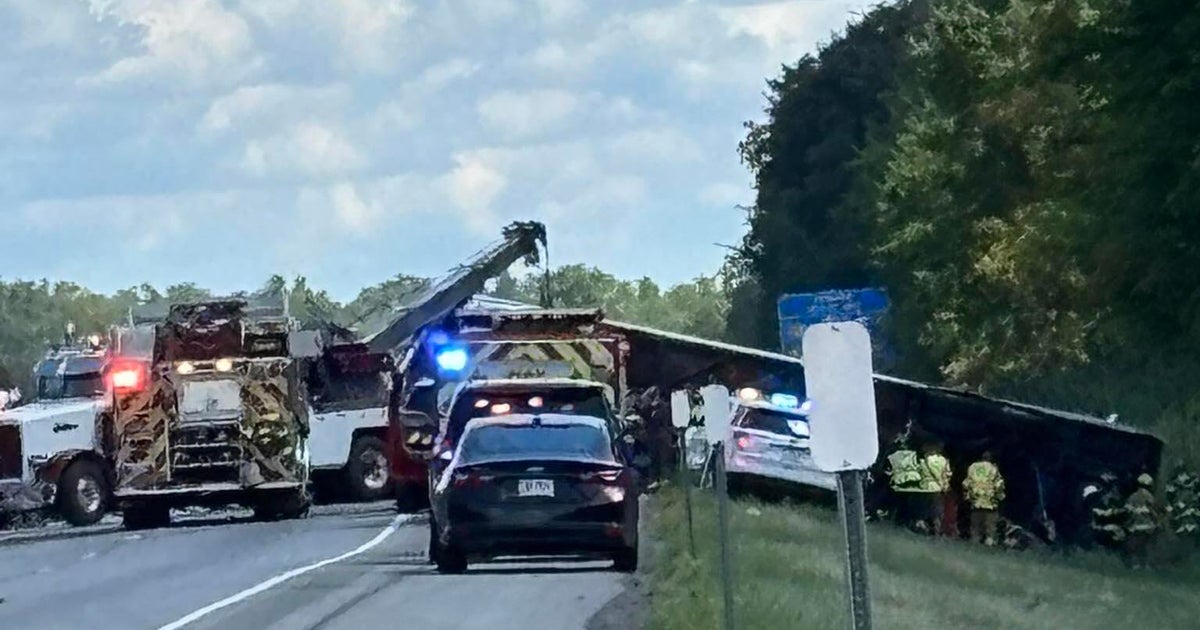
The tragic incident occurred on the New York State Thruway in Genesee County as the bus made its way from Niagara Falls back toward New York City. The M&Y Tour Inc. bus was carrying 54 passengers, creating what should have been a routine journey home from one of America’s most iconic natural landmarks. Instead, the trip turned into a nightmare when, according to prosecutors, Shao drove the vehicle at high speed and subsequently lost control. The bus crashed and rolled over on the thruway near Pembroke, New York, creating a chaotic scene that required extensive emergency response. First responders worked frantically to rescue victims from the wreckage, facing the challenging task of extricating dozens of injured passengers from the overturned vehicle. At a news conference following Shao’s arrest, Genesee County District Attorney Kevin Finnell was careful to note that alcohol impairment was not a factor in the crash, stating clearly that “there’s no evidence of driver alcohol impairment.” Instead, Finnell emphasized that the charges stem specifically from “the decisions made and the actions taken by Mr. Shao as the operator of the bus.” When pressed by reporters for more specific details about what exactly Shao did wrong, the district attorney remained tight-lipped, responding simply with “I can’t,” suggesting that prosecutors are keeping their evidence close to the vest as they build their case.
The Victims and Their Stories
The human cost of this tragedy cannot be overstated, as five individuals lost their lives and dozens more were injured in the crash. The victims represented the diverse, international community that makes up the New York metropolitan area, with passengers of Indian, Chinese, and Filipino descent aboard the bus. The five people who died have been identified, giving faces and names to this heartbreaking loss. Shankar Kumar Jha, a 65-year-old man from India, was among those killed. Pinki Changrani, 60, from East Brunswick, New Jersey, also lost her life in the accident. Perhaps one of the most poignant losses was that of Xie Hongzhuo, a promising 22-year-old Columbia University student from Beijing, whose life and educational dreams were cut tragically short. Zhang Xiaolan, 55, and Jian Mingli, 56, both residents of Jersey City, were also among the deceased, leaving behind families and communities to mourn their loss. These weren’t just statistics or names on a police report—they were real people with families, dreams, and loved ones who expected them to return safely from what should have been an enjoyable tourist excursion to Niagara Falls. The crash also left dozens of other passengers injured, some seriously, creating a ripple effect of trauma and recovery that has undoubtedly continued throughout the six months since the accident occurred.
The Investigation and Legal Process
The lengthy gap between the August crash and the filing of charges in late winter speaks to the complexity of the investigation that authorities conducted. Police had indicated at the time of the crash that both mechanical failure and operator impairment had been ruled out relatively early in the investigation, which narrowed the focus of the inquiry but also made the case more nuanced. Without the clear-cut explanations of a drunk driver or faulty brakes, investigators had to piece together exactly what happened and why, likely examining factors such as speed, road conditions, driver decisions, and adherence to safety protocols. The charges of second-degree manslaughter and criminally negligent homicide suggest that prosecutors believe Shao’s actions rose to the level of recklessness or negligence that directly caused the deaths of the five victims. These are serious felony charges that carry significant potential prison time if he is convicted. The bail set for Shao reflects the severity of the charges: $100,000 cash, $200,000 insured bond, or $400,000 for a partially secured surety bond—substantial amounts designed to ensure his appearance at future court proceedings while also acknowledging the gravity of the accusations against him.
Questions About Tour Bus Safety
This tragic accident raises broader questions about tour bus safety and regulation in New York and across the United States. Tour buses carry thousands of passengers daily, often on long-distance trips along major highways, and any accident involving these large vehicles has the potential for mass casualties. The fact that this bus was operated by M&Y Tour Inc. and was carrying 54 people—near full capacity—underscores how a single driver’s decisions can affect dozens of lives in an instant. While the investigation ruled out mechanical failure in this case, the incident highlights the importance of proper vehicle maintenance, driver training, and adherence to safety regulations in the commercial transportation industry. Passengers who board tour buses for trips to popular destinations like Niagara Falls put their trust in the companies operating these services and the drivers behind the wheel, expecting that all necessary precautions have been taken to ensure their safety. When that trust is violated, whether through negligence, recklessness, or poor decision-making, the consequences can be catastrophic, as this case so tragically demonstrates.
Moving Forward: Justice and Prevention
As the legal proceedings move forward, the families of the five victims and the dozens of injured passengers will be watching closely, hoping for justice and answers about why their loved ones died or were hurt. Shao’s not guilty plea means the case will likely proceed to trial unless a plea agreement is reached, giving prosecutors the opportunity to present their evidence publicly and explain exactly what they believe the driver did wrong that day on the New York Thruway. The March 9 court date will be an important next step in this process, though it may take many more months before the case is fully resolved. Beyond this individual case, there’s hope that lessons can be learned to prevent similar tragedies in the future. Whether through enhanced driver training, stricter oversight of tour bus companies, better enforcement of speed limits and safety regulations, or improved road design, each accident offers an opportunity to identify weaknesses in the system and address them. For the families who lost loved ones and the survivors who carry physical and emotional scars from that day, no legal outcome can truly make them whole again. But accountability through the criminal justice system, and efforts to prevent future accidents, can at least provide some measure of closure and meaning to an otherwise senseless tragedy. As this case proceeds through the courts in the coming months, it will serve as a sobering reminder of the responsibility that comes with operating large passenger vehicles and the devastating consequences when that responsibility is not taken seriously enough.