


Trump’s New Retirement Plan: A Game-Changer for Millions of American Workers
Addressing a Critical Gap in America’s Retirement System
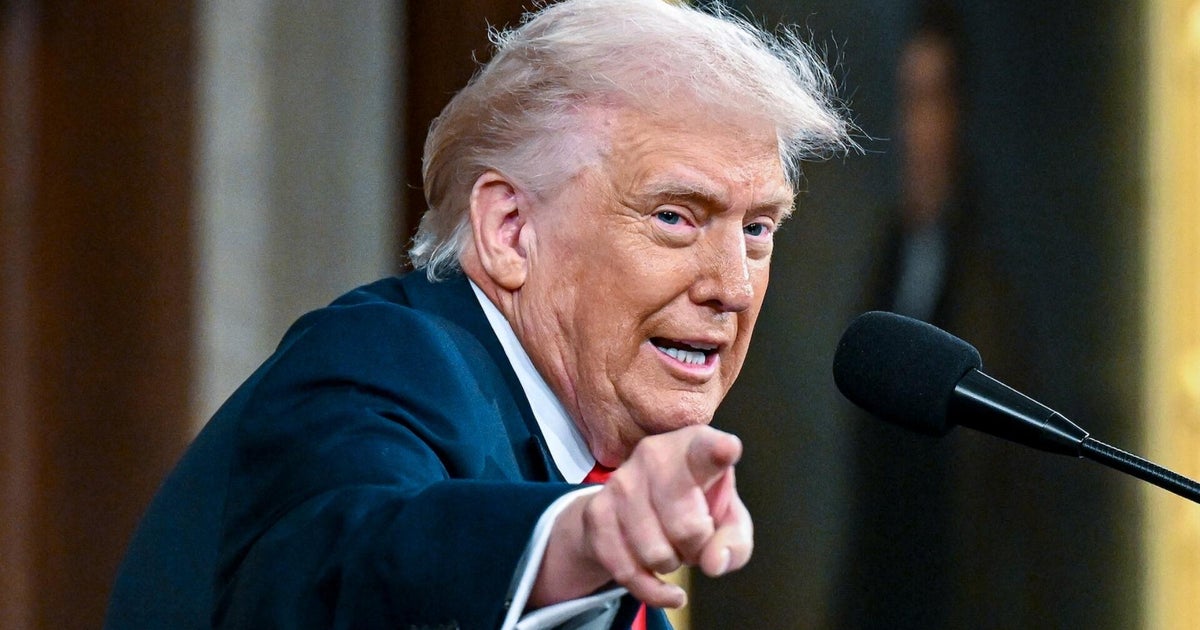
During his State of the Union address on Tuesday night, President Trump unveiled an ambitious plan to address what he called a “gross disparity” in the American retirement system. The proposal aims to help approximately 56 million Americans who currently lack access to employer-sponsored retirement savings plans. Trump emphasized that nearly half of all working Americans don’t have access to retirement plans with matching employer contributions, leaving them at a significant disadvantage when it comes to building financial security for their later years. The president noted that while those with 401(k) plans have seen their typical balances increase by about $30,000 since he took office, millions of workers without these employer-sponsored plans haven’t been able to enjoy similar gains from the rising stock market. This inequality in retirement preparedness has created a two-tiered system where some Americans can build substantial nest eggs while others struggle to save anything at all.
How the Proposed Plan Would Function
The new retirement initiative would be modeled after the Thrift Savings Plan currently offered to federal workers, which provides access to low-fee investment funds in stocks and bonds. Under Trump’s proposal, the U.S. government would provide matching contributions of up to $1,000 per year to help workers build their retirement savings. This plan would expand upon the Securing a Strong Retirement Act (Secure Act 2.0) that President Biden signed into law in 2022, which itself built upon earlier legislation passed during Trump’s first term. The Secure Act 2.0 created a Savers Match program scheduled to launch in 2027, offering a 50% matching contribution up to $1,000 for low- to moderate-income workers. A key feature of Trump’s proposed accounts is their portability—they would be tied to individual workers rather than their employers, meaning Americans could take these accounts with them as they move from job to job throughout their careers. Additionally, the White House indicated that private philanthropists would have the opportunity to contribute to these plans, potentially increasing their impact beyond government funding alone.
The Scale of America’s Retirement Crisis
The retirement savings gap in America is staggering and affects millions of working families. According to data from the National Institute on Retirement Security, the average American worker has less than $1,000 saved for retirement—a sobering statistic that highlights the urgency of addressing this issue. The problem is particularly acute for lower-income workers, with nearly 79% of full-time workers earning less than $27,400 annually lacking access to any retirement plan, according to the Economic Innovation Group. Even among those who do have retirement savings, the situation remains concerning. The median retirement account balance for American workers stands at just $40,000, which falls dramatically short of the approximately $1.5 million that Americans say they need to retire comfortably. Teresa Ghilarducci, a retirement expert and director of The New School for Social Research’s Wealth Equity Lab, emphasized the significance of this moment, noting that “so many people are now older and they realize the promise of the 401(k) just didn’t materialize.” She praised Trump’s proposal as going “much further than any other legislation in the last 45 years to get money into low-income workers’ retirement accounts.” Treasury Secretary Scott Bessent echoed these concerns, stating that there is “tremendous financial insecurity” among working Americans and expressing hope that this plan would help “those who have been left behind, the ones who don’t have the 401(k)s.”
Expert Opinions and Cautious Optimism
Financial experts have offered measured praise for the initiative while noting that important questions and challenges remain. Chris Spence, managing director for federal government relations at financial services firm TIAA, said his organization is “encouraged by the administration’s focus on retirement access” but emphasized the need to see details about how the proposal would effectively bridge the gap between those with and without employer-sponsored plans. Stephen Kates, a financial analyst at Bankrate, pointed out that while Individual Retirement Accounts already exist for workers to save on their own, they remain “underutilized,” partly because they lack the employer match that this proposal aims to provide. However, some experts tempered their enthusiasm with realistic assessments of potential participation rates. Ghilarducci predicted that only about half of low-income workers would actually open accounts, explaining that younger workers especially often don’t have spare money to contribute, particularly when they’re carrying significant debt burdens. This observation highlights an important reality: simply creating access to retirement accounts doesn’t automatically solve the underlying economic challenges that prevent many Americans from saving in the first place.
Skepticism About Funding and Implementation
Not all policy analysts share the same level of optimism about the proposal’s viability or effectiveness. Romina Boccia, director of budget and entitlement policy at the Cato Institute, raised fundamental questions about both the funding mechanism and the overall approach. She argued that “the administration lacks the fiscal authority to seed 401(k)s with a $1,000 taxpayer match” and questioned whether this represents good policy. Boccia suggested that instead of creating what she called “Trump accounts” or providing additional handouts, Americans would be better served by “a simpler system of tax-advantaged savings via universal savings accounts.” This critique points to broader philosophical debates about government involvement in retirement savings and whether adding another program to the existing complex system of retirement accounts truly serves Americans’ best interests. Jaret Seiberg, an analyst with investment bank TD Cowen, expressed skepticism about the political prospects for the plan, telling clients in a research report that “we do not see a viable path to enact this plan” given the significant political hurdles it would face in Congress. These concerns suggest that even if the proposal has merit on policy grounds, the legislative process could prove challenging.
The Road Ahead for Retirement Security
President Trump’s retirement plan proposal represents a significant acknowledgment of a pressing national problem, but it also highlights just how complex and multifaceted the retirement crisis in America has become. The initiative attempts to address the immediate disparity in access to retirement savings vehicles, particularly for the tens of millions of workers whose employers don’t offer 401(k) plans or similar benefits. By promising government matching contributions and creating portable accounts that workers can carry throughout their careers, the plan takes aim at some of the structural barriers that have prevented many Americans from building retirement security. However, the success of any such program will ultimately depend on numerous factors: securing Congressional approval and funding, designing the accounts in a way that’s truly accessible and beneficial to lower-income workers, educating Americans about the availability of these accounts, and addressing the fundamental economic pressures that make it difficult for many households to save regardless of what vehicles are available to them. As the proposal moves forward, policymakers will need to grapple with these challenges while also considering how this initiative fits into the broader landscape of Social Security, Medicare, and other retirement-related programs. Whether Trump’s plan becomes reality or not, it has succeeded in drawing renewed attention to the retirement savings gap and the millions of American workers who currently lack a clear path to financial security in their later years—a conversation that will remain crucial regardless of which party controls the White House or Congress.