


Trump Slams Bad Bunny’s Super Bowl Halftime Show: A Cultural Clash at America’s Biggest Sporting Event
Presidential Criticism Sparks National Debate
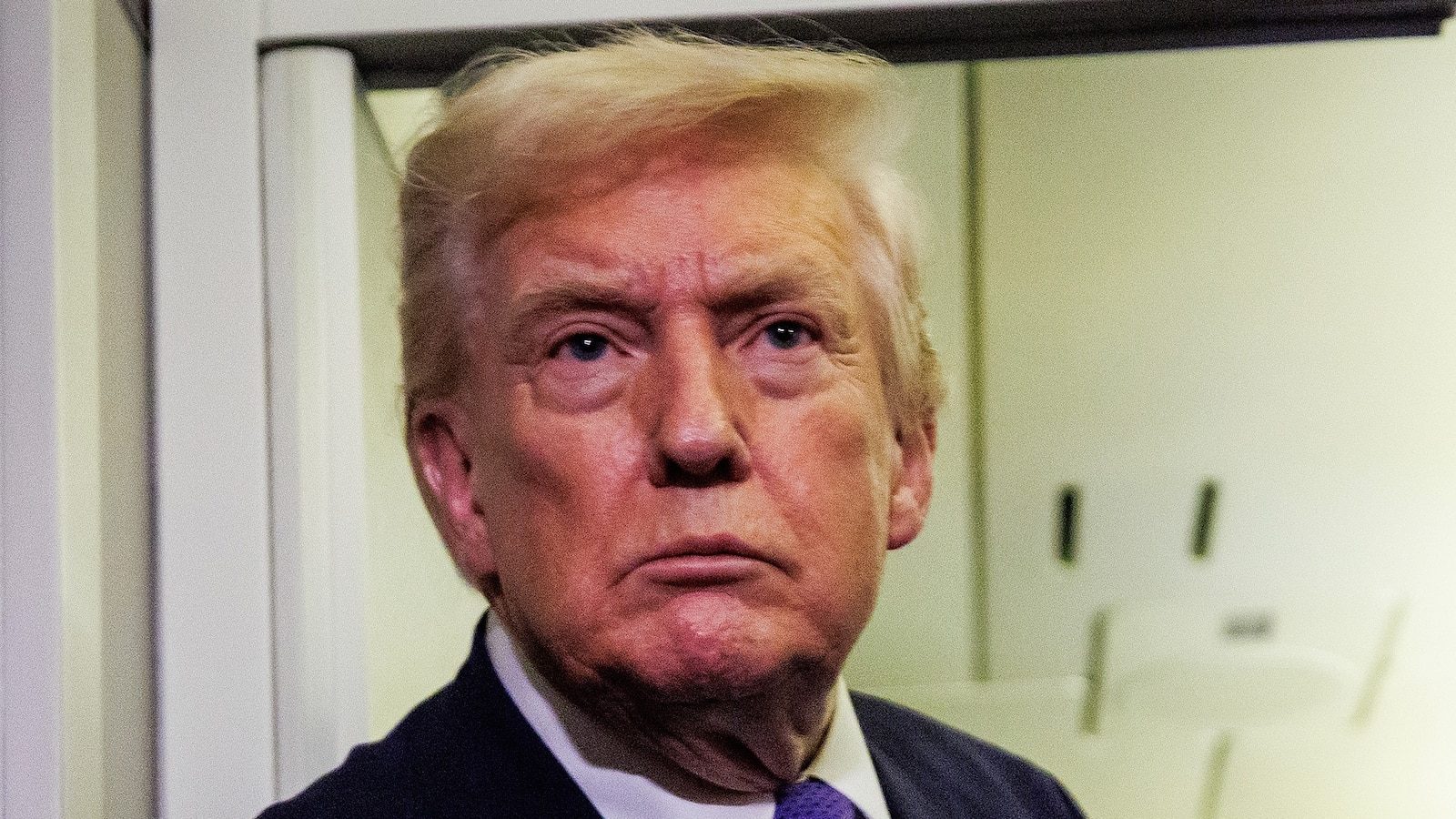
President Donald Trump didn’t hold back his opinions about Bad Bunny’s Super Bowl LX halftime performance, taking to social media on Sunday to voice his strong disapproval of the show. In a characteristically blunt post, Trump described the performance as “absolutely terrible, one of the worst, EVER,” and went further to call it a “slap in the face” to the country. The President’s criticism extended beyond just the entertainment value, as he argued that the show lacked any inspirational quality and was nothing more than a “mess of a Halftime Show.” His comments have ignited a fierce national conversation about culture, representation, and what it means to celebrate America’s diversity on one of the country’s biggest stages. The President’s words reflect a growing divide in how Americans view cultural expression and the evolving face of mainstream entertainment in the United States.
The Heart of Trump’s Complaints
In his extensive social media critique, President Trump outlined specific grievances about Bad Bunny’s performance that went beyond simple entertainment preferences. He expressed frustration that the show was “an affront to the Greatness of America” and claimed it failed to represent what he considers the nation’s standards of “Success, Creativity, or Excellence.” One of Trump’s primary complaints centered on the language barrier, as he stated, “Nobody understands a word this guy is saying,” referring to Bad Bunny’s predominantly Spanish-language performance. The President also took issue with the choreography and dancing, describing it as “disgusting, especially for young children that are watching from throughout the U.S.A., and all over the World.” These comments have raised questions about expectations for American cultural events and whether they should cater exclusively to English-speaking audiences. Trump’s remarks suggest a preference for more traditional, English-language entertainment at major American sporting events, positioning the halftime show as something that doesn’t align with his vision of American values and presentation on the world stage.
Bad Bunny’s Celebration of Puerto Rican Heritage
Despite the presidential criticism, Bad Bunny’s Super Bowl halftime show was a vibrant celebration of his Puerto Rican roots and Latin American culture more broadly. The Grammy-winning artist took the stage at Levi Stadium in Santa Clara, California, delivering a performance that proudly showcased his heritage through music, visuals, and symbolism. The show featured elaborate set designs that transported viewers to the Caribbean, including representations of sugar cane fields that are iconic to regions like Puerto Rico and Cuba. Bad Bunny even incorporated a piragua stand—a traditional shaved ice cart beloved in Puerto Rican culture—into his stage design. The performance climaxed with a powerful moment where Bad Bunny highlighted countries throughout the Americas, starting from Chile in the southern hemisphere and moving northward through Canada, before concluding with his homeland of Puerto Rico. This geographic journey through the Americas sent a clear message about the interconnectedness of cultures across the Western Hemisphere and Bad Bunny’s pride in his place within this larger tapestry. For millions of Latino viewers, particularly Puerto Ricans, the performance represented a rare moment of mainstream recognition and celebration of their culture on America’s biggest entertainment stage.
A Performance Rich in Personal and Cultural Meaning
Beyond the spectacle, Bad Bunny’s halftime show carried deep personal significance and messages of empowerment. Early in the performance, during a musical transition, the artist shared an inspiring message with viewers, saying in Spanish (translated): “It’s because I never, never stopped believing in myself, and you too, you too should believe in yourself,” while pointing to the screen to directly address his audience. This moment of vulnerability and encouragement resonated with many viewers who have followed Bad Bunny’s journey from his roots in Puerto Rico to becoming a global superstar. The show featured performances of several of his hit songs, including “BAILE INoLVIDABLE” and “NUEVAYoL,” which he performed in front of a set designed to look like “La Marqueta,” a traditional Latin American market. In a particularly touching moment, Bad Bunny paid tribute to his recent achievements by handing a Grammy Award to a young boy on stage, symbolizing the passing of dreams and possibilities to the next generation. The performance concluded with an explosive rendition of his hit song “DtMF,” complete with fireworks that lit up the stadium. The show also featured special guest appearances by music icons Lady Gaga, who performed a Salsa-inspired version of her song “Die With a Smile,” and Latin superstar Ricky Martin, creating a multi-generational celebration of Latin music’s influence on global pop culture.
Conservative Backlash and Ongoing Controversy
Bad Bunny’s selection as the Super Bowl halftime performer had been controversial among conservative circles long before he took the stage. Since the announcement last year, the Puerto Rican artist faced mounting criticism from conservative commentators and politicians who questioned whether his predominantly Spanish-language music and Latin-focused presentation was appropriate for what many consider quintessentially American entertainment. This backlash reflects broader cultural tensions in the United States regarding language, immigration, and what constitutes “American” culture. Critics argued that the Super Bowl, as an American institution watched by millions around the world, should feature performers who represent more traditional American values and English-language entertainment. However, supporters of Bad Bunny’s selection pointed out that Latino culture is fundamentally American culture, especially considering Puerto Rico’s status as a U.S. territory and the significant Latino population throughout the United States. The controversy has highlighted ongoing debates about representation in mainstream media and whether major cultural events should reflect America’s increasing diversity or maintain more traditional presentations that some argue have broader appeal to general audiences.
The Bigger Picture: Culture Wars and American Identity
The clash over Bad Bunny’s Super Bowl performance represents more than just differing opinions about a halftime show—it reflects fundamental questions about American identity in the 21st century. President Trump’s harsh criticism and the conservative backlash against the performance highlight tensions between those who view American culture through a more traditional, English-speaking lens and those who celebrate the nation’s growing multicultural reality. For millions of Latino Americans, Bad Bunny’s performance was a proud moment of recognition, seeing their culture celebrated on one of the biggest stages in American entertainment. For others, particularly those who share Trump’s perspective, the predominantly Spanish-language show felt exclusionary and inappropriate for an event meant to unite the nation. This debate touches on larger questions about assimilation, cultural preservation, and who gets to define what is considered authentically American. As the United States continues to become more diverse, with Spanish being the second most spoken language in the country and Latino culture increasingly influencing mainstream entertainment, these conversations are likely to intensify. The Super Bowl halftime show controversy serves as a microcosm of the broader cultural negotiations happening across American society, where questions of representation, language, and cultural values play out in public forums, from sports stadiums to social media platforms, shaping how we understand ourselves as a nation.