
Justice Department Takes Major Step in Reclassifying Marijuana Products
Federal Government Moves to Expand Medical Marijuana Access
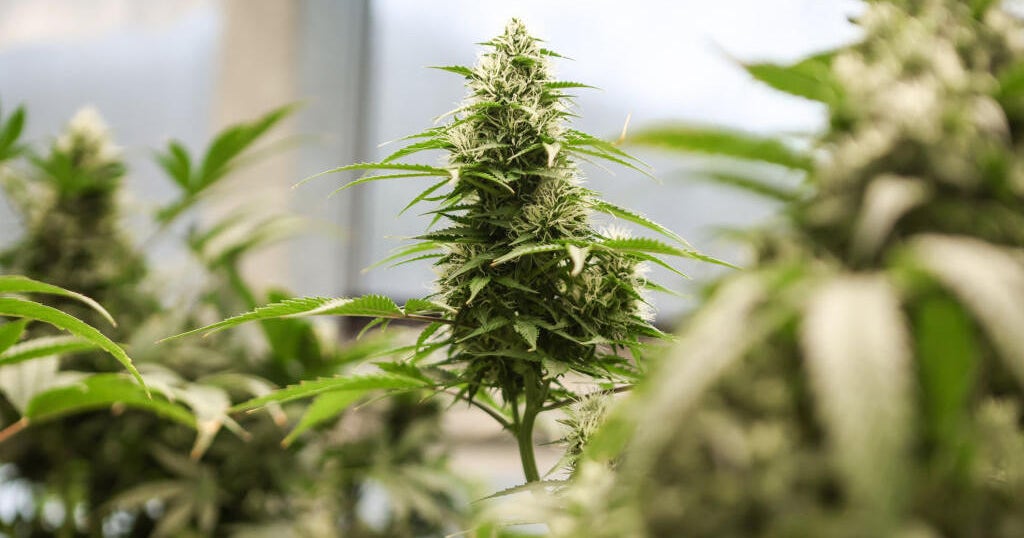
In a significant policy shift that marks a new chapter in America’s relationship with cannabis, the Justice Department announced Thursday that it has issued an order to move certain marijuana products to a less restrictive drug classification. This isn’t just bureaucratic shuffling—it’s a decision that could genuinely impact patients, researchers, and the medical community across the country. Acting Attorney General Todd Blanche signed the order, which specifically places FDA-approved marijuana products and those regulated under state medical marijuana licenses into Schedule III of the Controlled Substances Act, a category reserved for drugs with moderate to low potential for abuse. In making this announcement, Blanche emphasized that the Justice Department is following through on President Trump’s commitment to give Americans more options when it comes to medical treatment. This move follows an executive order signed by the President back in December, which set the wheels in motion for this reclassification process.
The decision represents more than just a change in paperwork—it’s a recognition that the conversation around marijuana has evolved considerably, and federal policy is finally beginning to catch up with both scientific understanding and state-level actions. For years, marijuana has been stuck in Schedule I, the most restrictive category reserved for substances considered to have high potential for abuse and no accepted medical use. That classification put cannabis in the same category as heroin, LSD, and ecstasy—a position that many medical professionals, researchers, and patients have long argued doesn’t reflect the reality of marijuana’s therapeutic potential. Now, by moving certain marijuana products to Schedule III, the federal government is acknowledging what many states and medical practitioners have known for years: that marijuana can have legitimate medical applications and doesn’t belong in the same category as drugs with no recognized medical value.
Understanding the New Classification System
To truly grasp what this change means, it helps to understand how the drug scheduling system works. Schedule III drugs are defined as substances with moderate to low potential for physical and psychological dependence. This category includes medications like ketamine, anabolic steroids, and even common painkillers like Tylenol with codeine—drugs that are recognized as having medical uses but still require regulation and oversight. The Justice Department’s order specifically applies to marijuana, marijuana extracts, and marijuana-derived compounds such as delta-9 THC that are either included in FDA-approved drug products or are covered by state-issued licenses for medical marijuana manufacturing, distribution, and dispensing. This is an important distinction because it doesn’t mean all marijuana is suddenly reclassified—recreational marijuana and marijuana not covered by medical licenses or FDA approval still remains in Schedule I and subject to all the restrictions that come with that classification.
The Justice Department made it clear in their announcement that they’re taking what they call a “common-sense approach” that recognizes the reality of how states have been regulating medical marijuana for years now. Acting Attorney General Blanche explained that this rescheduling does something critically important: it opens the door for more research into marijuana’s safety and effectiveness. For decades, marijuana’s Schedule I status has created enormous barriers for scientists who wanted to study the plant’s potential medical benefits. By moving to Schedule III, researchers will have an easier time conducting the kind of rigorous scientific studies that can provide patients and doctors with reliable, evidence-based information about when and how marijuana might be helpful as a medical treatment. However, the order also included an important caveat—any marijuana that isn’t part of an FDA-approved product or covered by a state medical license stays in Schedule I, and anyone handling that material remains subject to all the regulatory controls and potential criminal penalties that go along with that classification.
Expedited Hearing Process for Broader Marijuana Reclassification
Beyond this immediate rescheduling of specific marijuana products, the Justice Department and Drug Enforcement Administration are also launching an expedited administrative hearing process to consider whether marijuana should be reclassified more broadly from Schedule I to Schedule III. This hearing is scheduled for late June and represents a formal pathway for evaluating potential changes to marijuana’s overall status under federal law. This two-pronged approach—immediate rescheduling of certain products combined with a process for broader reclassification—suggests that federal officials recognize both the need for urgent action and the importance of following proper procedures for such a significant policy change. The expedited timeline for the hearing indicates that the administration wants to move quickly on this issue rather than letting it drag on for years as previous reclassification efforts have done.
The push for rescheduling stems directly from President Trump’s December executive order, which stated that federal drug control policy has for decades failed to adequately consider the medical uses of marijuana. That failure has limited scientists’ and manufacturers’ ability to conduct the research needed to determine marijuana’s true safety profile and effectiveness for various medical conditions. The executive order explicitly made it administration policy to increase medical marijuana and CBD research to provide better information to patients and doctors. As the President’s order stated, there’s currently a significant gap between how medical marijuana and CBD are being used in practice and what medical science actually knows about their risks and benefits, particularly for specific populations and medical conditions. Closing that knowledge gap requires research, and research has been nearly impossible under marijuana’s Schedule I status.
Political Context and Campaign Promises
President Trump’s move on marijuana rescheduling isn’t coming out of nowhere—it’s a fulfillment of promises he made during his 2024 presidential campaign. On the campaign trail, Trump voiced his support for moving marijuana to Schedule III specifically to unlock its potential medical uses. He also announced his backing for a Florida ballot amendment that would have legalized marijuana for recreational use in his home state, though Florida voters ultimately rejected that measure in November 2024. This shows that while there’s growing acceptance of medical marijuana, the question of recreational legalization remains more contentious and divisive, even in relatively conservative states. The administration’s focus on medical marijuana rather than recreational use reflects this political reality—there’s broader consensus around allowing people to access marijuana for legitimate health reasons than there is around legalizing it for general adult use.
The federal government’s action also comes after years of individual states taking matters into their own hands. According to the National Conference of State Legislatures, 24 states plus the District of Columbia now allow recreational marijuana use for adults, and 38 states have established medical marijuana programs. This patchwork of state laws has created a confusing legal landscape where something can be perfectly legal under state law but still technically a serious federal crime. The Justice Department’s recognition of state medical marijuana licensing in its rescheduling order represents an acknowledgment of this reality and an attempt to reduce the conflict between state and federal law, at least when it comes to medical use. It’s worth noting that the Biden administration also attempted to reschedule marijuana to Schedule III, but that effort wasn’t finalized before the administration changed hands, leaving marijuana in Schedule I until now.
What Rescheduling Means in Practice
It’s important to understand what marijuana rescheduling does and doesn’t do. Even if marijuana is moved to Schedule III more broadly following the June hearing, that wouldn’t legalize or decriminalize marijuana at the federal level. Marijuana would still be a controlled substance, still regulated, and still potentially subject to criminal penalties for violations of those regulations. However, the practical effects of rescheduling would still be substantial and meaningful for many people. First and most importantly, it would remove major barriers to research, allowing scientists to conduct the kind of comprehensive studies needed to really understand marijuana’s medical potential, its risks, which conditions it might help with, what dosages are appropriate, and how it interacts with other medications. This research could lead to the development of new FDA-approved marijuana-based medications with specific, evidence-based uses.
Rescheduling would also have significant financial implications, particularly for state-licensed marijuana dispensaries operating in states where marijuana is legal. Under current federal law, these businesses face an enormous tax burden because they can’t take the same business deductions that other companies can due to marijuana’s Schedule I status. Moving to Schedule III would ease this tax burden, potentially lowering costs for patients who rely on medical marijuana and making these businesses more economically viable. For patients, rescheduling could mean not just lower costs but also better quality control, more reliable products, and eventually more options as research leads to new medical marijuana products designed for specific conditions. For doctors, it means having better information to guide their recommendations and less concern about potential federal consequences for discussing marijuana as a treatment option with their patients.
Looking Ahead to a New Era
The Justice Department’s announcement represents a watershed moment in federal marijuana policy, but it’s really just the beginning of a longer process of change. The June hearing on broader marijuana rescheduling will be a critical next step, bringing together medical experts, law enforcement officials, researchers, patient advocates, and other stakeholders to make the case for or against moving all marijuana to Schedule III. The outcome of that hearing will shape not just marijuana policy but also the broader conversation about drug policy, medical freedom, and the relationship between state and federal law. Whatever happens, the fact that the federal government is seriously reconsidering marijuana’s classification shows how much the national conversation has shifted over the past decade.
For the millions of Americans who have found relief from conditions like chronic pain, epilepsy, PTSD, and other ailments through medical marijuana, this federal action represents validation and hope—validation that their experiences are being taken seriously and hope that access to medical marijuana will become easier, safer, and more affordable. For researchers frustrated by decades of barriers to studying cannabis, it represents an opportunity to finally conduct the science needed to separate fact from fiction and determine exactly what marijuana can and can’t do medically. And for states that have legalized marijuana in defiance of federal law, it represents a reduction in the conflict between state and federal policy, though significant tensions remain, especially around recreational use. As this process moves forward through the hearing and beyond, America is entering a new era in its complicated relationship with marijuana—one hopefully based more on science and compassion than on outdated assumptions and political ideology.