
Protecting America’s Infrastructure: New Legislation Aims to Give Critical Facilities the Power to Stop Hostile Drones
The Growing Threat to Our Most Vulnerable Systems
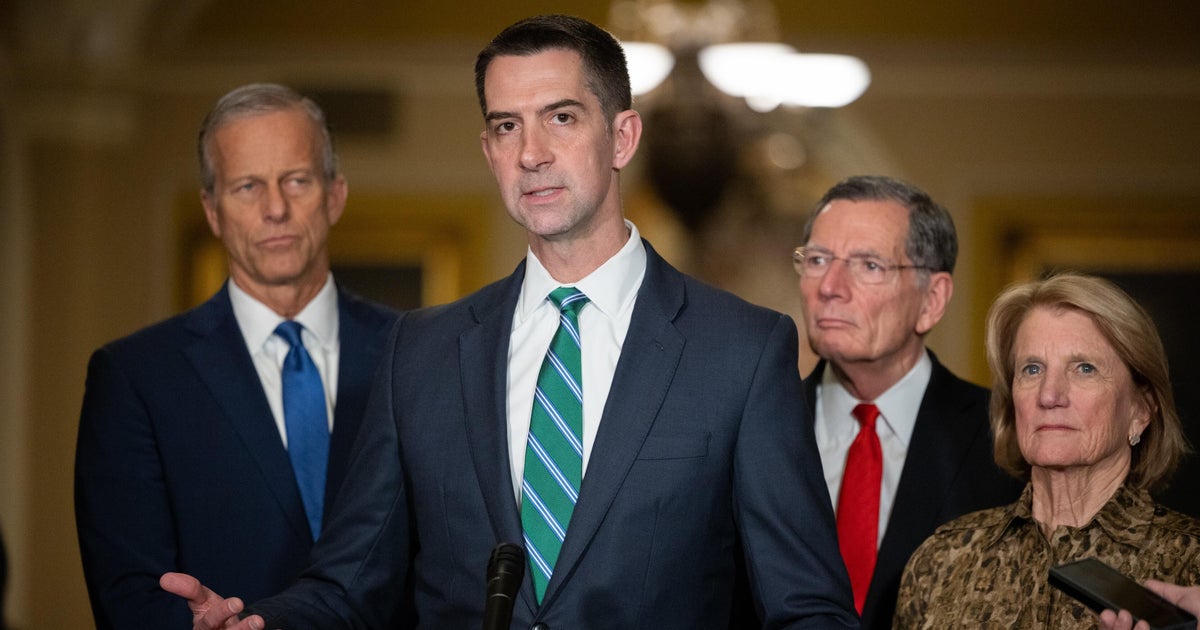
In an era where a consumer drone can be purchased online for a few hundred dollars, America’s critical infrastructure faces an unprecedented vulnerability. Senator Tom Cotton of Arkansas is spearheading new legislation that addresses a glaring gap in our national security framework: the inability of private operators to defend the nation’s most essential facilities against drone threats. The “Critical Infrastructure Airspace Defense Act” represents a significant shift in how we think about protecting everything from power plants to water treatment facilities. Currently, the organizations responsible for maintaining these vital systems are legally handcuffed when it comes to responding to aerial threats, even when those threats could potentially affect millions of Americans. Senator Cotton’s straightforward assessment captures the urgency of the situation: “Our hospitals, power plants, water treatment facilities, and other critical infrastructure sites can’t remain sitting ducks.” This legislation builds upon existing bipartisan efforts to modernize counter-drone policy and reflects a growing awareness in Washington that the technology landscape has changed dramatically, while our legal framework has struggled to keep pace.
Understanding What the Legislation Would Actually Do
The heart of this bill lies in extending counter-drone authority beyond the exclusive domain of federal agencies and select law enforcement entities to include certain private infrastructure operators—but with important safeguards and federal oversight built into the framework. Under current law, most counter-drone capabilities are reserved for federal agencies like the Department of Homeland Security and the Justice Department, with limited exceptions for state and local law enforcement. This creates an absurd situation where the operators of a nuclear power plant or major electrical substation can see a threatening drone approaching their facility but have no legal authority to do anything about it. The proposed legislation would change that calculus by allowing owners and operators of designated “covered critical infrastructure facilities”—or their specially trained security personnel—to take defensive action against drones that pose a credible threat. This action could include disrupting the drone’s communications, physically seizing it, or even destroying it if necessary, all in accordance with existing federal counter-unmanned aircraft system guidelines. However, this isn’t a free-for-all. The Department of Homeland Security would be required to establish a comprehensive certification program within 180 days, coordinating with the Federal Aviation Administration, the Department of Energy, and other relevant agencies to ensure that only properly trained individuals using approved technology could exercise this new authority. The bill specifically focuses on facilities designated by DHS as “high risk,” with particular attention to nuclear plants, key electrical substations, and bulk-power system control centers—a clear indication that protecting the electric grid is a primary concern.
The Financial and Legal Framework
Recognizing that effective counter-drone capabilities require significant investment, the legislation authorizes $250 million over five years specifically for infrastructure operators to purchase and deploy federally approved counter-drone systems. This funding mechanism acknowledges that while we’re asking private operators to take on enhanced security responsibilities, they shouldn’t bear the entire financial burden alone. The bill also addresses a critical concern for any private entity contemplating defensive action: legal liability. Under the proposed legislation, operators and personnel acting under the granted authority would receive legal protections against liability, except in cases of gross negligence or willful misconduct. This protection is essential because without it, security personnel might hesitate to act even in legitimate threat scenarios, fearing potential lawsuits or criminal charges. The legislation also includes important accountability measures, requiring DHS to submit regular reports to Congress, including classified assessments of how the authority is being exercised. This reporting requirement ensures congressional oversight and allows lawmakers to monitor whether the program is working as intended or needs adjustment. Perhaps most importantly, the authority granted by this bill isn’t permanent—it would expire in 2031 unless Congress actively chooses to renew it. This sunset provision reflects a thoughtful approach to new security powers, allowing for real-world testing and evaluation before making any permanent changes to the legal landscape.
Real Incidents That Highlight the Danger
The push for this legislation isn’t based on hypothetical scenarios—it’s grounded in actual incidents that have demonstrated the vulnerability of critical infrastructure to drone threats. One of the most troubling cases occurred in Pennsylvania in 2020, when investigators examined a drone that crashed near an electrical substation. What made this incident particularly alarming wasn’t just the drone’s presence, but what forensic analysis revealed: the device had been deliberately modified in ways that could have caused a short circuit and disrupted electrical equipment. According to a joint intelligence bulletin, this marked the first known instance of a drone specifically configured to attack U.S. energy infrastructure—a watershed moment that transformed the threat from theoretical to documented reality. More recently, a series of drone sightings in New Jersey during late 2024 captured public attention and prompted federal scrutiny. While the White House ultimately concluded there was no evidence of a national security threat from those specific incidents, officials acknowledged that the episode revealed significant limitations in existing authorities to track and respond to unidentified drones operating near sensitive locations. These incidents illustrate an uncomfortable truth: even relatively unsophisticated drones can pose serious risks to critical infrastructure. They can be used for surveillance, gathering intelligence about security measures and vulnerabilities. They can deliver explosives or other harmful materials. They can interfere with operations at sensitive sites. The combination of low cost, wide availability, and ease of modification has transformed commercial drones from hobbyist toys into one of the most pressing concerns for homeland security planners. The Cybersecurity and Infrastructure Security Agency has issued guidance warning that drones present both physical and cyber risks to critical infrastructure, urging operators to improve their detection and response capabilities—advice that’s difficult to follow when the legal framework prohibits meaningful action.
The Careful Balance Between Security and Liberty
While the bill’s focus on protecting critical infrastructure is relatively narrow and targeted, it operates within a broader landscape of competing concerns and interests. Critical infrastructure spans numerous sectors—from hospitals to dams, from telecommunications hubs to financial centers. However, Senator Cotton’s legislation is deliberately tightly scoped, giving DHS discretion to designate which facilities qualify while establishing a baseline focused primarily on the energy sector. This sector-specific focus makes sense from a risk perspective, as energy infrastructure has long been considered by security experts to be among the most vulnerable and consequential potential targets for drone attacks. A successful attack on key electrical infrastructure could cascade through society, affecting everything from hospitals to water treatment to communications networks. The response to the legislation reflects this complexity. Industry groups representing utilities and other infrastructure operators have generally expressed support for expanded authority, arguing that they’re literally on the front lines of potential threats and need the tools to respond appropriately. However, civil liberties organizations and some aviation stakeholders have raised concerns, warning that poorly regulated counter-drone measures could create new privacy risks and potentially interfere with legitimate drone operations. These concerns aren’t trivial—counter-drone technology can involve intercepting communications, which raises Fourth Amendment questions, and the potential for misidentification or overreaction could affect innocent drone operators. The challenge lies in crafting a framework that empowers legitimate defenders without creating new problems or infringing on civil liberties.
The Larger Question of Security in a Changing Technological Landscape
Ultimately, Senator Cotton’s legislation forces us to confront a fundamental question that extends far beyond drones: How should our legal and regulatory frameworks adapt to rapidly evolving technology that can be used as a weapon? The broader issue at stake is the persistent and growing tension between security needs and the pace of technological change. Our current legal framework for aviation and communications was developed in an era when aircraft were expensive, highly regulated, and operated by trained professionals or serious hobbyists. The assumption was that federal agencies would have both the time and the resources to respond to any aerial threats. That world no longer exists. Today, capable drones can be purchased online and delivered to your door in days. They can be modified with readily available components and flown by anyone with minimal practice. The democratization of aerial technology has created capabilities that would have required nation-state resources just a generation ago. This legislation represents Congress’s attempt to update our security posture to match this new reality while maintaining appropriate oversight and limitations. The question it underscores isn’t just about drones specifically, but about how quickly and broadly we should empower those responsible for critical infrastructure to defend themselves from emerging threats. The five-year authorization with a sunset clause in 2031 suggests a test-and-evaluate approach rather than a permanent transformation of security authority. The reporting requirements and federal certification program indicate an awareness that expanded powers require expanded accountability. As we move forward into an era where technology continues to outpace policy, the Critical Infrastructure Airspace Defense Act may serve as a model for how democratic societies can adapt their security frameworks without abandoning the oversight and limitations that prevent abuse. The lights, quite literally, depend on getting this balance right.